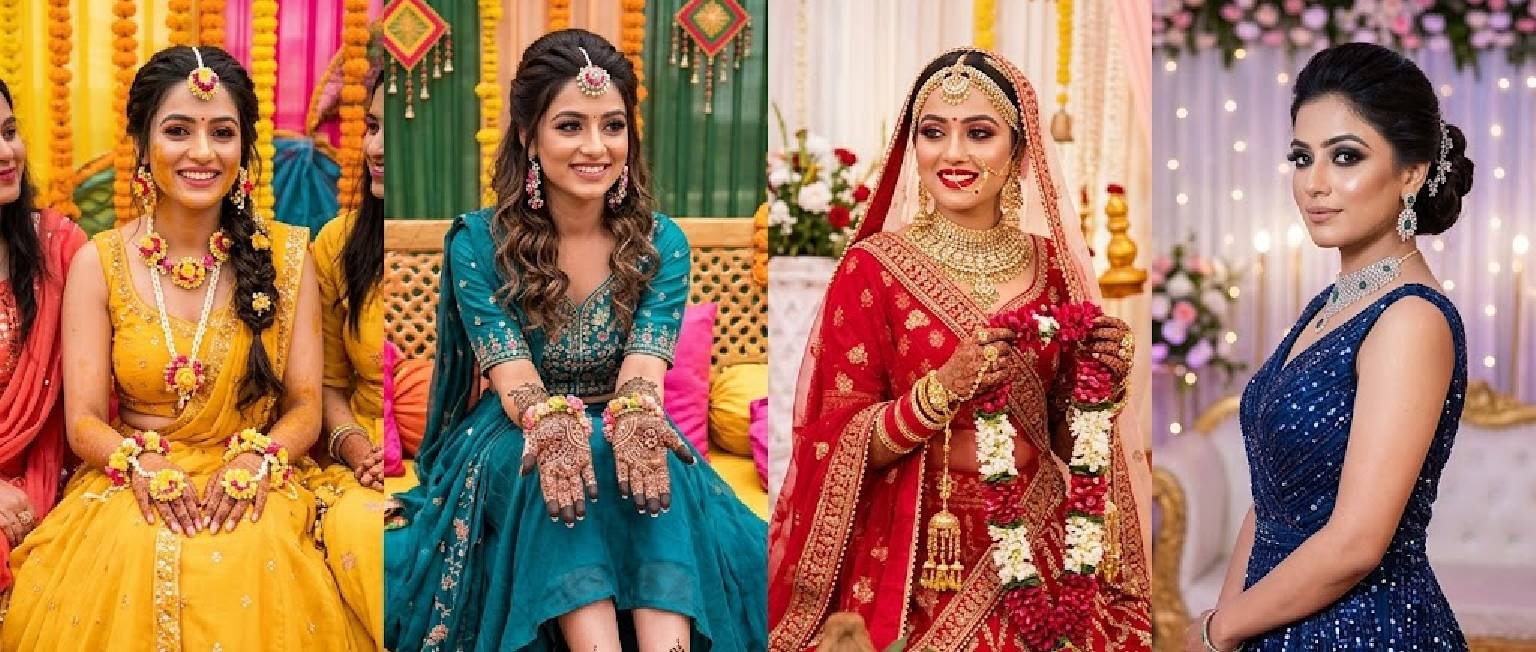
How to Choose Bridal Makeup for Different Wedding Functions: Haldi, Mehendi, Wedding and Reception Indian weddings often include several celebrations, each with its own outfit, atmosphere and traditions. From the bright colours of a Haldi ceremony to the intricate styling of the wedding day and the glamour of the reception, every function offers an opportunity to create a distinctive bridal look. Planning bridal makeup for different wedding functions requires more than choosing a new lipstick or eyeshadow for every event. You need to consider your outfit, jewellery, venue, schedule, personal preferences and the amount of time available for getting ready. The goal is to create looks that feel connected to your overall bridal style while allowing each celebration to have its own character. In this guide, we explain how to plan makeup for Haldi, Mehendi, the wedding ceremony and the reception, how to coordinate each look with your outfit and how to organise your beauty schedule for a smoother wedding experience. 1. Why Should You Plan Makeup for Each Wedding Function? Each wedding function can have different styling requirements. A daytime Haldi ceremony may call for a fresh, comfortable look, while a formal wedding ceremony may involve traditional jewellery and a more detailed makeup style. A reception may offer an opportunity for a more glamorous finish or a different lip and eye combination. Planning in advance can help you: Choose makeup that complements each outfit. Avoid repeating exactly the same look if you prefer variety. Coordinate makeup with jewellery and hairstyles. Allow enough time for makeup changes between functions. Discuss the right products and application approach with your artist. Organise your appointments and touch-up requirements. Not every bride needs a separate makeup appointment for every event. The number of looks you choose should depend on your schedule, budget and personal preferences. 2. Haldi Makeup: Keep the Look Fresh and Comfortable The Haldi ceremony is often a lively celebration involving family, photographs and close interaction with guests. Depending on your family’s traditions, turmeric paste or other ceremonial elements may also come into contact with your skin or outfit. Your makeup should suit the style of the event and the activities planned. Choose a Soft, Fresh Finish You may prefer a light-looking complexion, softly defined eyes and a comfortable lip colour for your Haldi ceremony. A fresh look can complement yellow, green, orange or other bright outfits without competing with the colours of the celebration. However, you can choose a more defined look if that better reflects your personal style. Coordinate Makeup With Your Outfit Yellow outfits are a common choice for Haldi, but many brides wear other colours and contemporary styles. Consider the outfit’s colour, embroidery and jewellery when selecting your blush, eyeshadow and lip colour. The aim is to create a balanced look rather than matching every makeup shade exactly to your clothing. Consider the Ceremony’s Activities If your Haldi celebration involves outdoor activities, dancing or close contact with ceremonial materials, discuss the conditions with your makeup artist. You may want to keep the look practical and avoid planning an elaborate makeup style that you would be uncomfortable maintaining during the event. Ask about suitable touch-up essentials and protect your skin and eyes from direct contact with products or substances that may irritate them. Plan the Timing Carefully If Haldi takes place early in the day, allow enough time for makeup, hairstyling, dressing and photographs. If you have another event immediately afterwards, discuss the schedule in advance. Depending on the activities and the condition of your makeup, you may need a separate appointment or a planned refresh. 3. Mehendi Makeup: Play With Colour and Personal Style Mehendi celebrations often feature colourful outfits, music, dancing and relaxed social moments. This can be an opportunity to choose a playful makeup look while keeping the overall styling coordinated. Experiment With Soft Colour Depending on your outfit, you might consider peach or rose blush, warm eyeshadow, softly defined eyeliner or a lip colour that complements your clothing. Green, pink, orange and multicoloured outfits can each work with several makeup palettes. Choose shades that harmonise with your complexion and outfit rather than following a fixed colour rule. Balance Makeup With Mehendi Designs If your hands and arms feature detailed mehendi patterns, think about how your overall look will appear in close-up photographs. You may prefer understated makeup that lets the designs stand out, or you may choose a more glamorous style for a large celebration. There is no single correct option. Your preferences and the event’s atmosphere should guide the decision. Choose a Practical Hairstyle Mehendi functions may include dancing and extended socialising. A hairstyle that feels secure and comfortable can make the celebration easier to enjoy. Discuss your hairstyle with your makeup artist or hairstylist, especially if you want to change the look for the wedding ceremony. Allow for Photography Photographs may include close-ups of your hands, jewellery, face and outfit. Share your photography plans with your artist so the makeup intensity and overall styling can be considered together. 4. Wedding-Day Makeup: Create a Look That Reflects Your Bridal Style The main wedding ceremony often involves the most detailed coordination between makeup, hair, outfit and jewellery. Whether you choose a traditional saree, a lehenga, a gown or another bridal outfit, your makeup should reflect your personal style and the ceremony’s requirements. Coordinate Makeup With Your Bridal Outfit Start by sharing photographs or details of your outfit with your makeup artist. Consider the fabric, embroidery, neckline, dupatta or veil and the colours used in the design. These details can help determine how your makeup will balance with the complete look. For a richly embroidered outfit, you might prefer defined eyes or a more sculpted finish. If you prefer understated elegance, a softer look can work beautifully as well. Consider Your Jewellery Traditional bridal jewellery may include necklaces, earrings, bangles, a nath, a maang tikka or other pieces, depending on your customs and preferences. If the jewellery is particularly prominent, consider how your eye makeup,
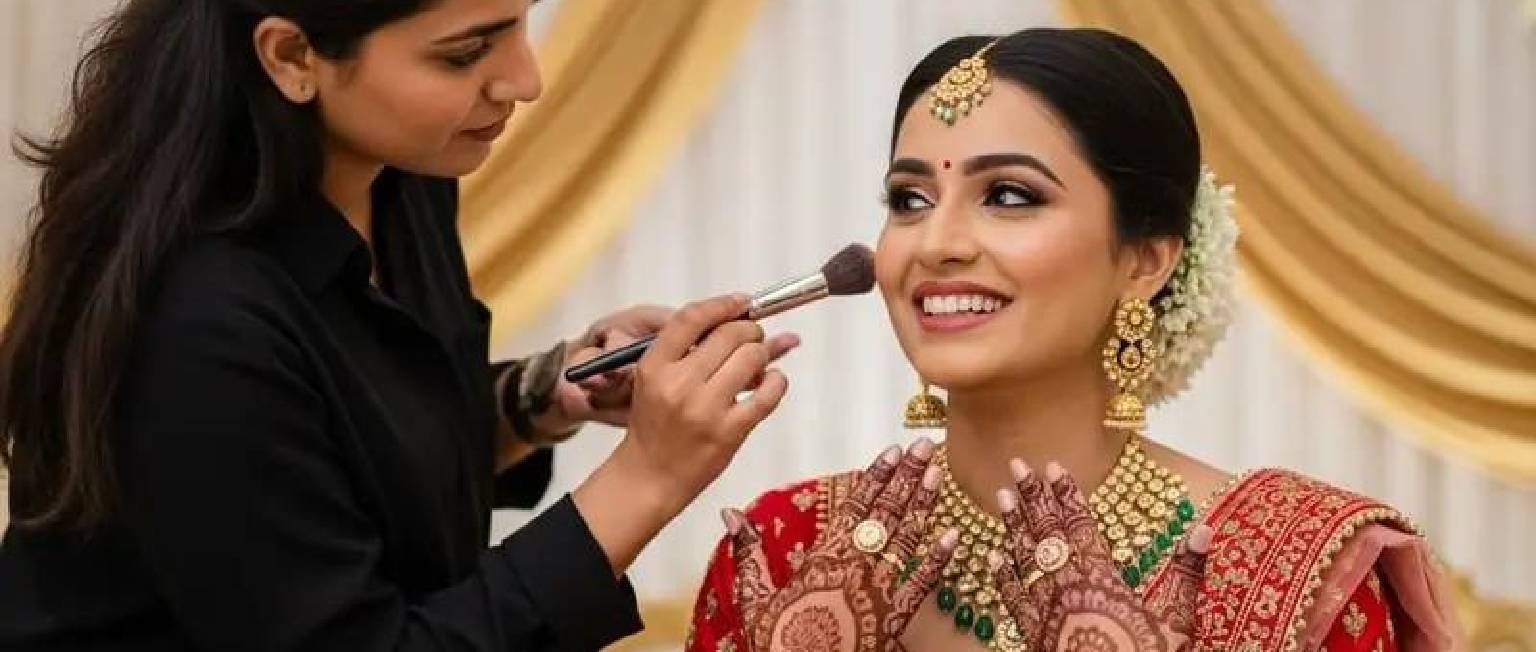
Skin Preparation before Bridal Makeup
How to Prepare Your Skin Before Bridal Makeup: A Bride’s Pre-Wedding Guide Your wedding day is one of the most photographed occasions of your life, and preparing your skin before bridal makeup can help you feel more confident and comfortable. While professional makeup can enhance your features, a thoughtful skincare routine before the wedding can help create a suitable base for makeup application. Skin preparation does not mean trying to achieve flawless skin overnight. It means understanding your skin’s needs, following a consistent routine and avoiding last-minute experiments that may cause irritation or dryness. Whether you are planning a traditional Maharashtrian wedding, a modern bridal celebration or a destination wedding, preparing your skin in advance can make your bridal beauty routine more manageable. In this guide, we explain how to prepare your skin before bridal makeup, when to begin your routine, which common mistakes to avoid and how to coordinate skincare with your bridal makeup artist. 1. Why Is Skin Preparation Important Before Bridal Makeup? The condition of your skin can influence how makeup applies and feels throughout the day. Skin that feels comfortable and adequately moisturised can provide a more suitable surface for foundation and other makeup products. However, every bride’s skin is different. Some people experience dryness, while others notice excess oil, sensitivity or occasional breakouts. Your preparation routine should address your own needs rather than follow every beauty trend. Good pre-bridal skin preparation can help you: Maintain a consistent cleansing and moisturising routine. Reduce the likelihood of irritation caused by unfamiliar products. Keep your skin comfortable before makeup application. Identify products that work well with your skin. Communicate any skin sensitivities or concerns to your makeup artist. Remember that skincare cannot guarantee a particular makeup result, and professional makeup should be adapted to your skin rather than expecting your skin to look perfect. 2. When Should You Start Preparing Your Skin for Bridal Makeup? The ideal timeline depends on your current routine, skin condition and wedding date. Several Months Before the Wedding If possible, start reviewing your skincare routine several months before your wedding. Focus on simple, consistent habits rather than introducing multiple new products at once. If you have persistent acne, significant pigmentation, eczema or another skin concern, consider consulting a qualified dermatologist early enough to discuss suitable treatment options. Some treatments may require recovery time, so professional advice is preferable to experimenting close to your wedding. Four to Six Weeks Before the Wedding Continue with products that suit your skin and avoid unnecessary changes. If you are considering a facial or another beauty treatment, discuss the timing and suitability with a qualified professional. Treatments that involve exfoliation, extractions or active ingredients may not be appropriate for everyone. Do not assume that a more intensive treatment will automatically improve your skin before the wedding. One Week Before the Wedding Keep your routine familiar and gentle. Avoid trying new facials, peels, scrubs, strong active ingredients or unfamiliar home remedies. Even products marketed for bridal glow can cause unexpected reactions. Prioritise comfort, hydration and consistency rather than attempting a dramatic last-minute transformation. The Day Before the Wedding Follow your usual gentle skincare routine and avoid aggressive exfoliation or treatments. Get your personal essentials ready, drink water regularly and aim for adequate rest. If you have questions about which products to use before makeup, check with your makeup artist in advance. 3. Follow a Simple Pre-Bridal Skincare Routine You do not need a complicated collection of products to prepare your skin. A basic routine can be a sensible starting point for many people, although specific needs vary. Step 1: Cleanse Gently Use a cleanser that suits your skin and removes everyday dirt, oil and product residue without leaving your face feeling uncomfortably tight. Avoid excessive washing or harsh scrubbing. If you already use a cleanser comfortably, there is usually no need to replace it just because your wedding is approaching. Step 2: Moisturise According to Your Skin’s Needs Moisturiser can help support the skin barrier and reduce feelings of dryness. Choose a product you already tolerate well. A lightweight formula may feel more comfortable for some oily skin types, while drier skin may need a richer moisturiser. The best choice depends on your skin, climate and personal comfort. Avoid applying an unfamiliar heavy cream immediately before your bridal makeup appointment. Step 3: Use Sun Protection If you spend time outdoors, use a broad-spectrum sunscreen suitable for your skin and follow its application instructions. Sun protection is an important part of everyday skincare, including during wedding preparations, shopping trips and outdoor pre-wedding events. For the wedding-day makeup application itself, ask your makeup artist which products are appropriate for the intended look and photography conditions. Step 4: Avoid Over-Exfoliation Exfoliating too frequently or using products that are too strong can irritate the skin. If exfoliation is already part of your established routine, do not increase its frequency just because your wedding is approaching. Avoid starting strong exfoliating products shortly before the event without professional guidance. Step 5: Keep Your Routine Consistent Consistency is generally more practical than constantly switching products. If a product works well for you, there may be little reason to replace it. Introduce changes cautiously and well before the wedding so you have time to identify any unwanted reaction. 4. How to Prepare Different Skin Types Before Bridal Makeup Your skincare routine should reflect your skin’s needs rather than a one-size-fits-all bridal checklist. For Oily Skin If your skin tends to become shiny, use a gentle cleanser and a moisturiser that feels comfortable without leaving an excessively greasy finish. Avoid trying to remove every trace of oil by repeatedly washing your face. Overly aggressive cleansing can leave the skin uncomfortable. Tell your makeup artist if your T-zone becomes oily during the day. This information can help them plan the base makeup and recommend suitable touch-up products. For Dry Skin If your skin often feels tight or flaky, focus on gentle cleansing and appropriate moisturising. Avoid harsh scrubs
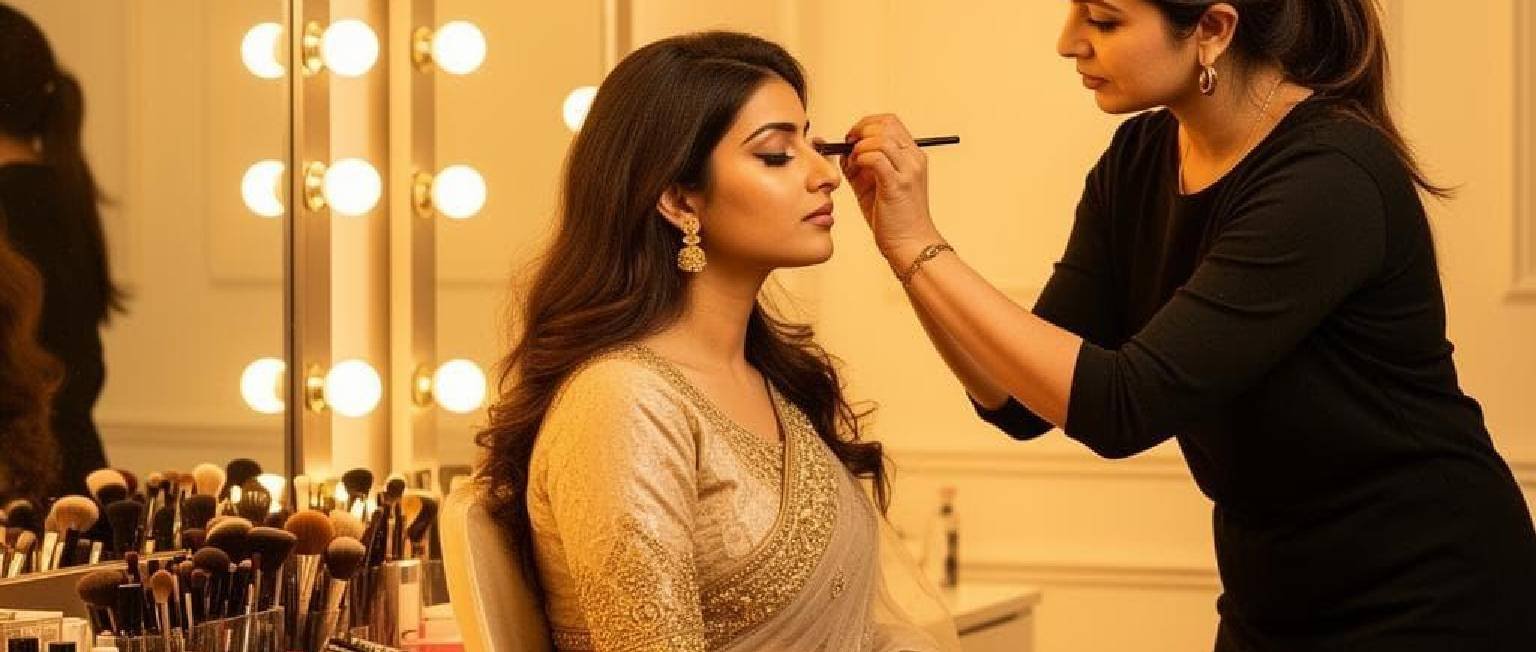
Bridal Makeup Space at Home or a Wedding Venue
Getting Ready at Home or at a Wedding Venue: How to Prepare the Perfect Bridal Makeup Space Your wedding-day makeup preparation is an important part of the bridal experience. While choosing the right makeup artist, outfit and hairstyle deserves careful attention, the space where you get ready can also influence how smoothly the morning unfolds. A room that is too crowded, poorly lit or filled with unnecessary distractions can make makeup application and hairstyling more difficult. On the other hand, a clean, comfortable and well-organised bridal makeup space helps your artist work efficiently while allowing you to enjoy the preparation process. One of the first decisions is whether to get ready at home, in a hotel room or at the wedding venue itself. Each option has its advantages, and the right choice depends on your schedule, travel arrangements, available facilities and personal preferences. In this guide, we explain how to prepare the perfect bridal makeup space at home or at a wedding venue, what facilities to arrange, which common mistakes to avoid and how to create a relaxed environment for your wedding-day preparations. 1. Should You Get Ready at Home or at a Wedding Venue? Both options can work well when planned properly. The important thing is to choose a location that gives you enough time, space and comfort for makeup, hairstyling, dressing and final photographs. Getting Ready at Home Getting ready at home can feel familiar and comfortable, particularly if you prefer a private environment surrounded by close family members. You may have easier access to your personal belongings, skincare products, jewellery and other essentials. It can also reduce the need to transport everything to a separate location. However, a busy household can become crowded on the wedding morning. Family members, photographers, relatives and service providers may all need access to the same rooms. If you choose to get ready at home, select a room where your makeup artist can work without frequent interruptions. Getting Ready at a Hotel or Wedding Venue A hotel room or designated bridal preparation room can provide a more controlled environment, depending on the facilities available. You may have access to a dressing area, a private bathroom, suitable seating and enough space to organise your outfit and accessories. Getting ready at the venue may also reduce travel immediately before the ceremony, particularly when the preparation room is close to the ceremony area. However, not every venue provides a dedicated bridal suite. Some rooms may have limited lighting, small tables or restrictions on when you can enter. Confirm the room’s availability and facilities before deciding to use it. Which Option Is Better? Choose home if you value familiarity, convenience and easy access to personal belongings. Consider a hotel or venue room if you need more privacy, prefer to get ready near the ceremony or have suitable facilities available there. The best location is the one that supports your preparation schedule and gives your makeup artist enough space to work comfortably. 2. Choose a Room With Good Lighting Lighting is one of the most important elements of a bridal makeup space. Your makeup artist needs to see your complexion, blend products accurately and check how the makeup looks across different areas of your face. Make Use of Natural Light If possible, choose a room with a window that provides good, indirect daylight. Natural light can help the artist assess complexion and colour balance during makeup application. However, direct sunlight may create harsh shadows, excessive heat or changing brightness throughout the morning. Position the makeup station where the light is comfortable and consistent rather than placing the chair directly in strong sunlight. Arrange Suitable Artificial Lighting If your preparation begins early in the morning or continues after sunset, artificial lighting may be necessary. A well-positioned makeup light can help illuminate the face more evenly. Avoid relying entirely on dim yellow room lighting, which can affect how makeup colours appear. Ask your makeup artist whether they bring their own lighting equipment or require any additional arrangements. Avoid Strong Shadows Light coming from only one side may create shadows across the face, making it harder to assess makeup evenly. Whenever possible, use balanced lighting that illuminates the face from the front. The artist can then check the finished look in the lighting conditions relevant to the ceremony and photography. 3. Set Up a Comfortable Makeup Chair and Table A suitable chair and table help create a practical workspace for both the bride and the makeup artist. Choose a Stable Chair The bride may need to sit for an extended period during makeup application and hairstyling. Choose a stable chair with comfortable support and enough room for the artist to move around it. The seat should allow the bride to sit upright without unnecessary strain. If the hairstyle requires access to the back of the head, make sure the chair arrangement gives the hairstylist enough room to work. Provide a Clean, Spacious Table A clean table or vanity gives the makeup artist space to arrange brushes, cosmetics, tools and other products. Remove unrelated items such as clothing, shopping bags, food containers and personal accessories before the appointment begins. The table does not need to be elaborate. It simply needs to be stable, clean and large enough for the products and tools being used. Keep Essential Items Within Reach Place a mirror, tissues, drinking water and other personal essentials nearby without overcrowding the working area. Keep jewellery, hair accessories and the bridal outfit organised separately so they do not become mixed with makeup products. A little preparation can save time and prevent unnecessary confusion during the appointment. 4. Keep the Bridal Makeup Space Clean and Organised A tidy room helps your makeup artist work more efficiently and reduces the risk of misplaced items. Before the appointment, remove unnecessary objects from the makeup area and clean the table, mirror and other surfaces that will be used. Create Separate Areas for Different Tasks If space allows, arrange the room into simple zones:

Bridal Touch-Up Kit Wedding-Day
Your Wedding-Day Bridal Touch-Up Kit: What to Keep and What to Leave Behind Your wedding day involves much more than getting your makeup and hairstyle ready. Between the wedding ceremony, photographs, greetings, emotional moments and celebrations, you may need a few small beauty essentials to keep your bridal look looking fresh. That is where a well-planned bridal touch-up kit becomes useful. However, packing every lipstick, powder, skincare product and beauty tool you own can create unnecessary clutter. The goal is not to carry your entire makeup collection. It is to prepare a compact kit with the essentials you are most likely to need throughout your wedding day. In this guide, we explain what to include in your wedding-day bridal touch-up kit, what you can leave behind, how to organise your essentials and how to maintain your bridal makeup without disturbing the work of your makeup artist. 1. Why Do You Need a Bridal Touch-Up Kit? Professional bridal makeup is designed to create a polished look for your wedding celebrations. However, several factors can affect how your makeup looks as the day progresses. Heat, humidity, perspiration, tears, eating, drinking and frequent greetings can cause certain areas of your makeup to need attention. A small touch-up kit allows you to handle minor changes without having to redo your entire makeup look. For example, you may need to refresh your lipstick after eating, gently remove excess shine from your T-zone or tidy up a small makeup smudge before photographs. A touch-up kit is particularly helpful when you have a long wedding schedule, multiple ceremonies or a reception immediately after the wedding rituals. The key is to carry products that work with your existing makeup rather than introducing several new products that could affect its finish. 2. Bridal Touch-Up Kit Essentials: What Should You Keep? Your kit should contain a few practical items that address the most common makeup and personal-care needs. Lipstick or Lip Colour Lip colour is one of the most useful items to carry on your wedding day. Eating, drinking and speaking can gradually affect lipstick, particularly if you have chosen a bold or creamy formula. Pack the exact lipstick used by your makeup artist, if possible. If you are using a lip liner, you can carry that too. Before applying another layer, gently remove any uneven or excess product and follow the application method recommended by your artist. Blotting Papers Blotting papers can help absorb excess oil without adding another layer of powder to your face. They are especially useful if your skin becomes shiny around the forehead, nose or chin during a long celebration. Press the paper gently against the area instead of rubbing it across your skin. This helps minimise disturbance to your foundation and other makeup. Compact Powder, If Needed A compact powder may be useful for small touch-ups if your makeup artist recommends one that suits your skin type and base makeup. You do not necessarily need to carry powder if your complexion already looks balanced. Applying too much can make the makeup appear heavy or dry. If you do use powder, apply a small amount only where necessary rather than repeatedly powdering the entire face. Small Makeup Sponge or Puff A clean, suitable makeup sponge or powder puff can help with minor touch-ups. Choose a compact tool that is easy to store and keep it clean. Avoid using a sponge that has been sitting loose inside your handbag or has collected dust and residue. Ask your makeup artist whether a particular tool is appropriate for your finished makeup. Tissues Soft tissues are useful for blotting tears, dabbing away moisture or handling small spills. If you become emotional during the ceremony, gently dab around your eyes rather than wiping them. Rubbing can disturb eyeliner, mascara and concealer. Tissues are also helpful after eating or drinking, particularly before checking your lipstick. Cotton Buds A few clean cotton buds can help with small, precise corrections. They may be useful for cleaning a minor lipstick smudge or addressing a tiny makeup mark, provided you use them carefully. Avoid using a dry cotton bud aggressively around the eyes, as this can irritate the area or spread the makeup. Small Mirror A compact mirror is convenient when you cannot easily reach a dressing table or well-lit vanity. It allows you to check your lipstick, look for visible smudges and see whether a touch-up is actually necessary. Whenever possible, use a well-lit mirror rather than making major makeup adjustments in dim lighting. Hairpins and a Few Hair Essentials Your bridal hairstyle may need minor attention if a few strands come loose during the day. Depending on your hairstyle, consider carrying a small number of matching hairpins, a discreet hair tie or another item recommended by your hairstylist. Avoid attempting to restyle your hair or adjust elaborate accessories yourself. Bridal hairstyles, dupattas and jewellery may be carefully secured, so larger adjustments are best handled by your stylist or a trusted assistant. 3. Personal-Care Items Worth Adding to Your Kit Your touch-up kit can include a few non-makeup essentials that make the wedding day more comfortable. Blotting Cloth or Handkerchief A clean handkerchief can help you manage perspiration or tears. Use it gently, particularly around the face, and avoid dragging the fabric across your makeup. Breath Mints Fresh breath can be useful during a day filled with conversations, photographs and greetings. Choose a convenient option that you can use between meals and celebrations. Small Drinking Straw, If Practical A straw may help reduce direct contact between your lipstick and the rim of a glass, depending on the drink and how you use it. It is not essential, and it will not eliminate the need for a lipstick touch-up. Safety Pins A few safety pins can help with minor clothing emergencies, such as securing a loose fabric layer or addressing a small fastening issue. Keep them separate from makeup products and handle them carefully around delicate outfits. Blister Plasters If your wedding footwear is
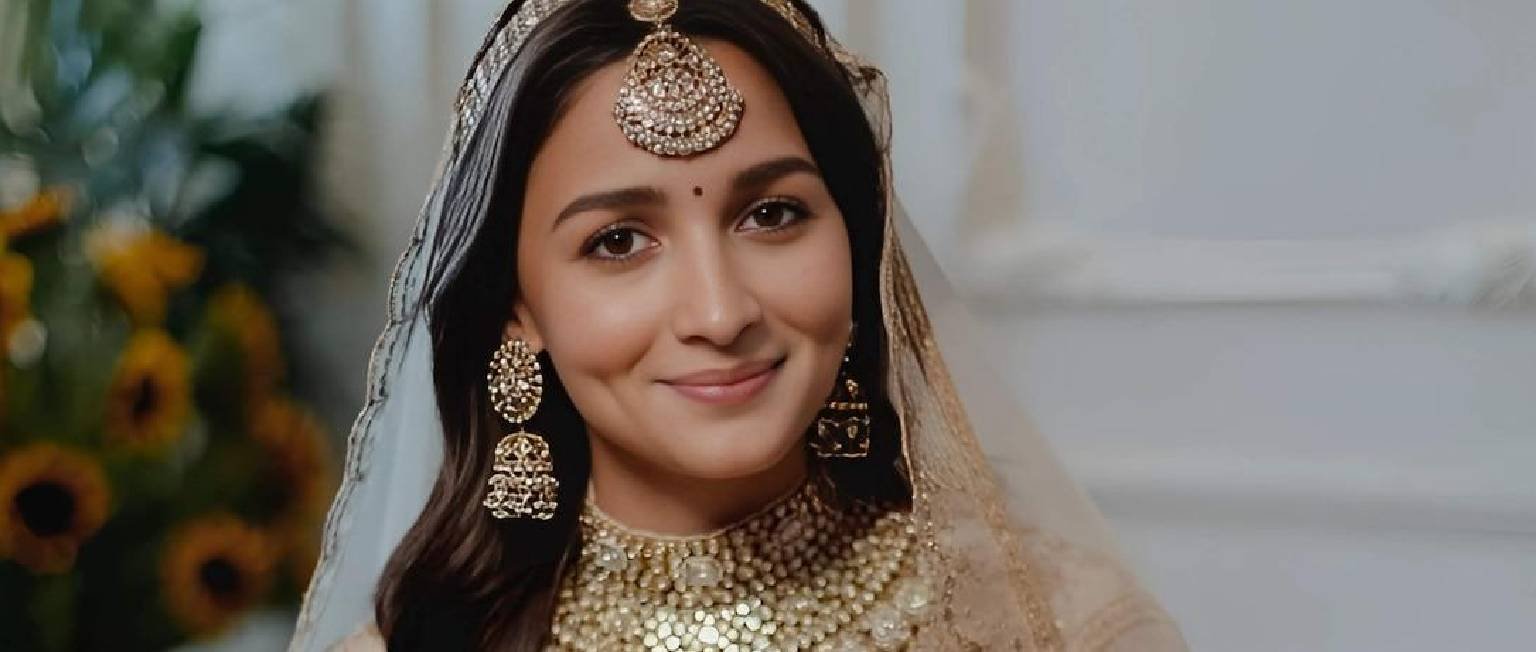
Natural Bridal Makeup vs Full Glam
Natural Bridal Makeup vs Full Glam: Which Look Fits Your Wedding Style? Choosing your bridal makeup is one of the most personal decisions you will make while planning your wedding look. Some brides love fresh, natural-looking makeup that enhances their features, while others prefer dramatic eyes, defined contours and a glamorous finish. Neither style is automatically better than the other. The right choice depends on your personality, wedding outfit, jewellery, ceremony setting and how you want to feel when you look back at your wedding photographs. When comparing natural bridal makeup vs full glam, it is also important to understand that bridal makeup is not limited to two extremes. Soft glam, traditional Indian bridal makeup and customised combinations offer plenty of possibilities between a minimal look and a dramatic finish. In this guide, we explore the differences between natural bridal makeup and full glam, their advantages, the factors to consider when choosing your style and how to communicate your preferences to your bridal makeup artist. 1. What Is Natural Bridal Makeup? Natural bridal makeup focuses on enhancing your existing features while creating a polished, balanced appearance. Although it may look minimal, achieving natural-looking bridal makeup requires careful product selection, blending and attention to detail. The aim is to create a finished look without making the makeup appear unnecessarily heavy. A natural bridal makeup look may include: A well-blended foundation that suits your complexion and preferred coverage. Softly defined eyes with neutral or subtle eyeshadow. Natural-looking blush and gentle highlighting. Brows that complement your facial features. Nude, pink, peach or other understated lip colours. Carefully applied lashes or mascara, depending on your preference. Natural bridal makeup does not necessarily mean using very little product. It means choosing the right techniques and intensity to achieve the appearance you want. Who Should Consider Natural Bridal Makeup? Natural makeup may suit you if you usually prefer a minimal beauty routine or want to feel recognisable in your wedding photographs. It can also be a good option for brides who prefer understated elegance, delicate jewellery or contemporary outfits with softer styling. However, natural makeup can be adapted for traditional wedding outfits too. A bride wearing a heavily embroidered lehenga or a silk saree can choose a subtle makeup look if it reflects her personality. The key is to balance the makeup with the outfit rather than assuming traditional bridal attire always requires dramatic makeup. 2. What Is Full Glam Bridal Makeup? Full glam bridal makeup creates a more defined and striking appearance. It often involves greater emphasis on the eyes, complexion, lashes, contouring or lip colour. The exact finish varies from one bride to another. Some full glam looks feature smoky eyes and bold lips, while others focus on luminous skin, sculpted cheeks and dramatic lashes. A full glam bridal look may include: More defined eye makeup, such as shimmer, smoky eyes or layered eyeshadow. Sculpted cheeks and carefully placed highlighting. Fuller-coverage foundation, if desired. Defined lashes and brows. Statement lip colours or a carefully shaped nude lip. A polished finish designed to complement the complete bridal look. Full glam does not automatically mean heavy or uncomfortable makeup. A skilled artist can customise the intensity, coverage and finish according to your preferences. Who Should Consider Full Glam Bridal Makeup? Full glam may appeal to brides who enjoy expressive makeup and want their eyes, lips or overall look to make a stronger statement. It can complement elaborate bridal jewellery, richly detailed outfits and evening celebrations, depending on the colours and techniques selected. It is also worth considering if you regularly wear defined makeup and feel more confident with a polished, glamorous appearance. Your comfort should remain the priority. You do not need to choose full glam simply because it is a popular bridal trend. 3. Natural Bridal Makeup vs Full Glam: Key Differences Understanding the practical differences can help you decide which style is closer to your vision. Feature Natural Bridal Makeup Full Glam Bridal Makeup Overall Appearance Soft, fresh and understated Defined, polished and dramatic Eye Makeup Subtle shades and gentle definition More prominent eyeshadow, liner or lashes Complexion Natural-looking finish with chosen coverage Often more sculpted or perfected, depending on preference Lip Colours Soft pinks, peaches, nudes or muted shades Bold colours or defined nude shades Contouring Usually subtle, if used May be more pronounced Best Starting Point Brides who prefer understated makeup Brides who enjoy a statement look Customisation Can be adapted for traditional or modern outfits Can be adapted for different outfits and wedding settings These are general tendencies, not strict rules. Natural makeup can include defined eyes, and full glam can feature neutral lip colours. Your makeup artist can combine elements from both styles. 4. How to Choose Based on Your Wedding Outfit Your outfit is an important part of the decision, but it should guide your makeup rather than dictate it. For a Traditional Red Bridal Lehenga A red lehenga with gold embroidery and statement jewellery can work beautifully with either natural makeup or full glam. Natural makeup may create a softer contrast, while full glam can complement a more dramatic bridal appearance. Consider the intensity of your jewellery, the colour of your dupatta and your personal preference before finalising the look. For a Pastel Bridal Outfit Pastel pink, peach, lavender and ivory outfits often pair well with fresh skin finishes, soft eyes and complementary lip colours. You can also choose full glam with defined eyes or sculpted cheeks if you want more contrast. The most important factor is choosing shades that work harmoniously with the outfit and your complexion. For a Traditional Saree or Nauvari Saree Traditional sarees and Maharashtrian bridal outfits can be styled with a range of makeup intensities. You may prefer softly defined eyes and a complementary lip colour, or you may choose a more dramatic look to coordinate with your jewellery and the occasion. Consider the mundavalya, nath, earrings and other accessories when deciding how much emphasis to place on your eyes and lips.
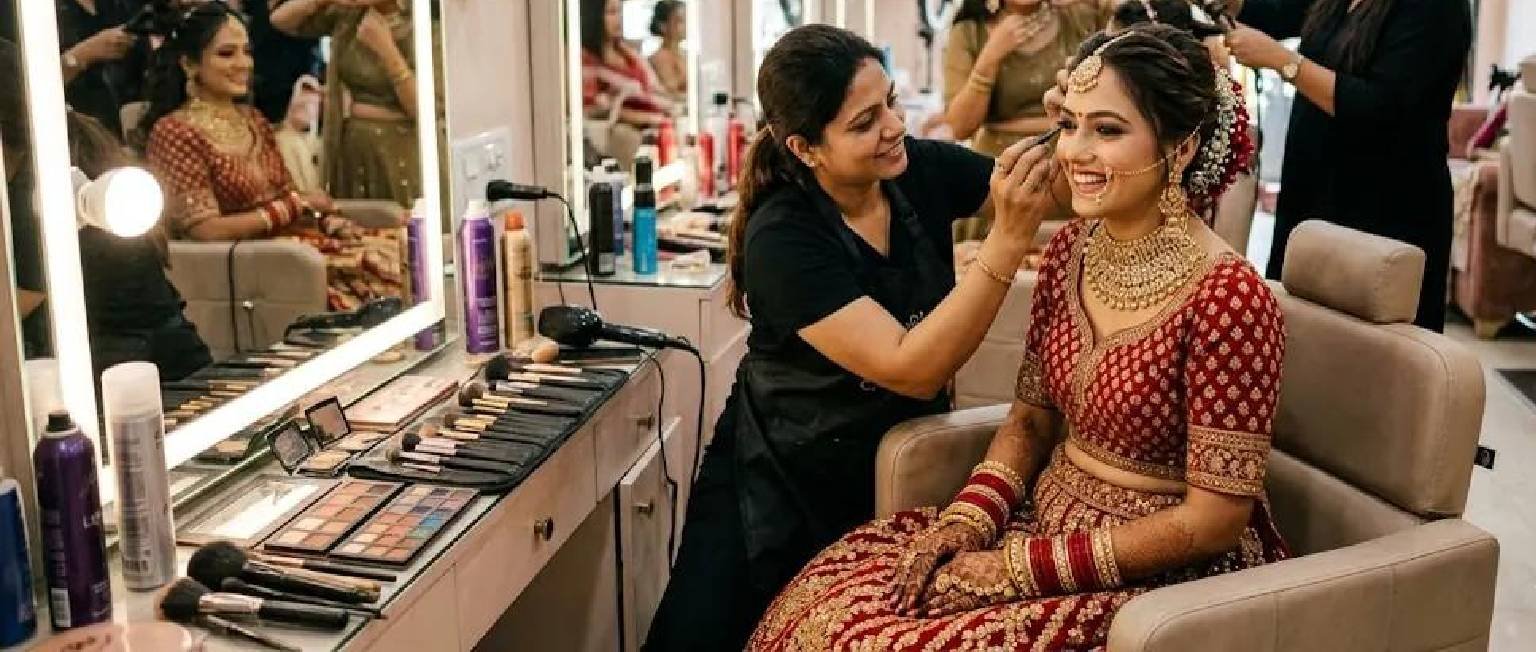
One Makeup Artist for Your Entire Bridal Party
Should You Book One Makeup Artist for Your Entire Bridal Party? Wedding preparations can become complicated when several people need professional makeup and hairstyling on the same day. Along with the bride, bridesmaids, sisters, mothers and other family members may also want to get ready professionally before the ceremony. This often leads to an important question: should you book one makeup artist for your entire bridal party, or arrange separate artists for different people? Both options can work well, but the right decision depends on your wedding schedule, the number of people getting ready, the type of makeup services required and your overall budget. Booking one makeup artist can make coordination easier and help create a consistent approach to bridal styling. However, if several people need to get ready within a short period, a larger team may be more practical. In this guide, we explain the advantages and disadvantages of booking one makeup artist for your entire bridal party, how to plan the schedule and what to consider before confirming your wedding makeup arrangements. 1. What Does Booking One Makeup Artist for the Entire Bridal Party Mean? Booking one makeup artist for your bridal party generally means hiring a single artist or a makeup professional who coordinates the beauty services for everyone getting ready together. Depending on the package, the service may include makeup for the bride, bridesmaids, sisters, mothers and other family members. Hairstyling, saree draping and additional services may be offered separately or as part of a combined package. It is important to clarify what the artist means by a single booking. Some artists work independently and complete each person’s makeup themselves, while others bring assistants or a team to manage multiple appointments. Before booking, confirm whether the artist will personally handle every person or supervise a team of professionals. This distinction matters because the number of people being prepared and the available time can affect the entire wedding morning. 2. Advantages of Booking One Makeup Artist for Your Bridal Party Hiring one makeup artist or one coordinated team can offer several advantages, particularly when your family members are getting ready at the same venue. Consistent Makeup Quality and Styling One of the main benefits is having a coordinated approach to makeup across the bridal party. Your bridesmaids may prefer natural makeup, while your mother or sister may want a more traditional look. A professional artist can adapt each person’s makeup to their features and preferences while maintaining an overall sense of harmony. Consistency does not mean everyone should wear identical makeup. Instead, it means the different looks feel appropriate for the same wedding celebration. Easier Communication When one artist coordinates the makeup arrangements, you have a single point of contact for discussing timings, service requirements and preparation details. This can simplify communication, especially when you are already managing outfits, jewellery, transportation and other wedding arrangements. You can share the wedding schedule, reference photographs and individual preferences with the artist in advance rather than coordinating several separate bookings. More Convenient Wedding-Day Preparation If everyone is getting ready at the same location, a coordinated makeup booking can make the morning easier to organise. The artist can plan the order of appointments and determine when each person should be ready for dressing, photography and departure. This approach works particularly well when the number of people and the time available are realistic for the artist’s capacity. A More Coordinated Bridal Party Look If your bridesmaids are wearing coordinated outfits, you may want their makeup to complement the overall wedding aesthetic. A single artist can discuss the preferred level of makeup, suitable colours and the general finish with the group in advance. Individual looks can still be adjusted according to skin tone, facial features, comfort and personal style. Potential Package Convenience Some makeup professionals offer combined packages for the bride and other members of the bridal party. Depending on the provider, booking together may simplify payment, communication and service planning. However, a group booking is not automatically less expensive, so compare the total package price with the services included. 3. Disadvantages of Booking Only One Makeup Artist Although a single artist can be convenient, it is not always the best choice for every wedding. Limited Time for Multiple People The biggest challenge is time. If the bride, four bridesmaids and two family members all need makeup before an early ceremony, one artist may not be able to complete everyone’s makeup within the available preparation window. The exact duration varies according to the complexity of each look, the artist’s process and whether hairstyling is also required. Rushing can create unnecessary stress and may leave little time for touch-ups or unexpected delays. Fewer Opportunities for Flexible Scheduling A single artist generally works through appointments in sequence unless another professional is available to help. If one person arrives late or requires additional time, later appointments may be affected. This can become a concern when the bridal party has to leave for the venue at a fixed time. Less Capacity for Last-Minute Changes Weddings rarely follow a perfectly predictable schedule. Outfit changes, jewellery adjustments, photography and family responsibilities can all affect the preparation process. If one artist is responsible for everyone, there may be limited flexibility when several people need assistance simultaneously. Hairstyling May Require Additional Support Makeup and hairstyling are different services, and not every makeup artist provides both. If the bride and several family members need elaborate hairstyles as well as makeup, confirm whether the booking includes a hairstylist or whether a separate professional is required. Do not assume that one makeup booking automatically covers every beauty service. 4. When Is One Makeup Artist Enough for Your Bridal Party? One artist may be suitable when the group is relatively small, the preparation window is generous and the makeup requirements are straightforward. Consider booking one artist if: Only the bride and a small number of family members need professional makeup. Everyone is getting ready at the same location. The ceremony timing allows enough time
Bridal Hairstyle Dupatta Wedding Outfit
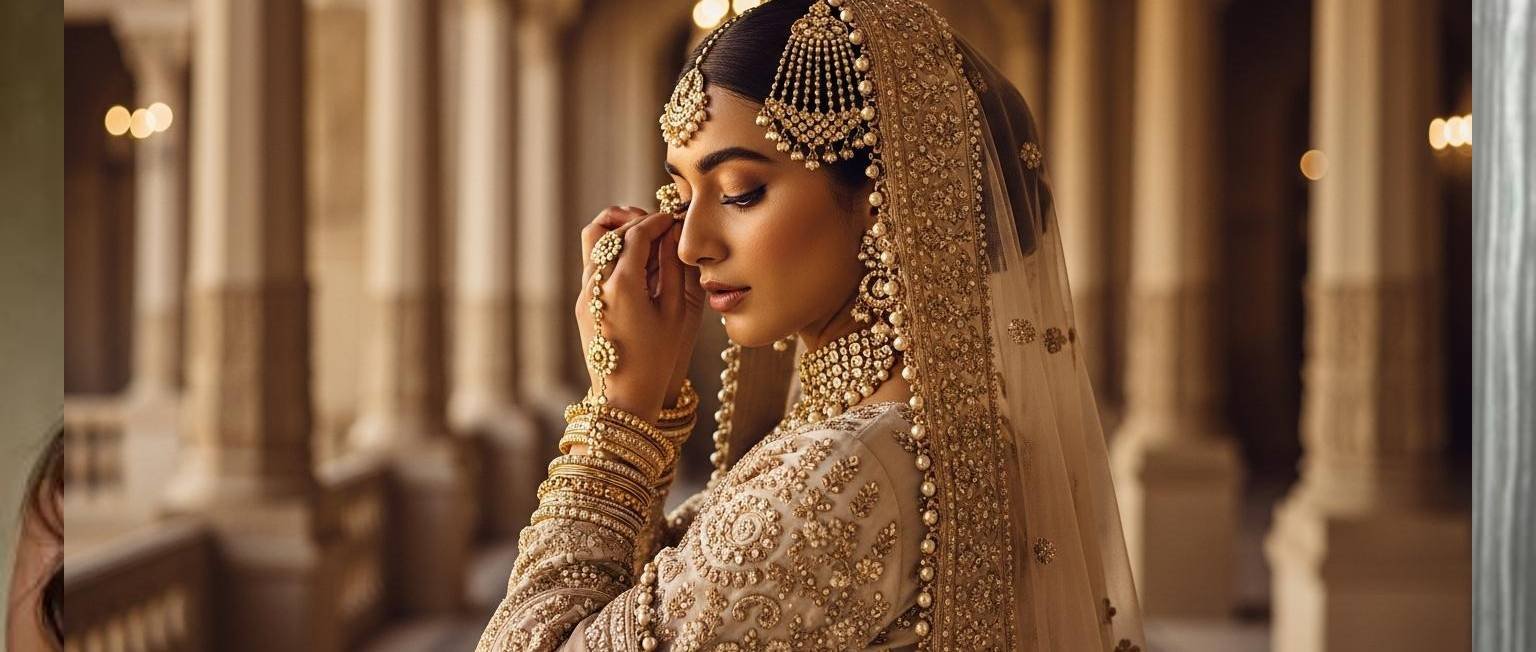
Bridal Hairstyle Planning: How to Match Your Hair, Dupatta and Wedding Outfit Your bridal hairstyle is more than just the finishing touch to your wedding look. It helps frame your face, supports your dupatta, complements your jewellery and brings your entire bridal appearance together. Even when your makeup and outfit are beautifully chosen, a hairstyle that does not work with your dupatta or blouse design can make the overall look feel unbalanced. Indian bridal styling involves several elements, including the wedding outfit, head drape, jewellery, makeup and hairstyle. Each element should work with the others while allowing you to feel comfortable throughout the ceremony and celebrations. Whether you are wearing a traditional lehenga, a silk saree, a Nauvari saree or a contemporary bridal gown, thoughtful hairstyle planning can help you achieve a coordinated and elegant look. In this guide, we explore how to match your bridal hairstyle with your hair type, dupatta, wedding outfit and jewellery, along with practical tips to discuss with your bridal hairstylist before the big day. 1. Why Your Bridal Hairstyle Should Be Planned With Your Entire Outfit One of the most common bridal styling mistakes is choosing a hairstyle separately from the wedding outfit. A hairstyle may look beautiful in an inspiration photograph but may not work as well with your actual dupatta, blouse neckline or jewellery. For example, a voluminous bun may complement a traditional bridal lehenga, while soft waves may suit a contemporary outfit with minimal accessories. A hairstyle for a Nauvari saree may also require different considerations because of the traditional draping style and jewellery. When planning your bridal look, consider these elements together: Your wedding outfit’s colour, fabric and design. The weight, length and draping style of your dupatta. Your face shape and natural hair texture. The size and placement of your bridal jewellery. Your makeup style and preferred overall appearance. The length of your ceremony and the comfort you need throughout the day. The goal is not to follow a fixed set of rules. It is to create a bridal look in which every element complements the others. 2. How to Choose the Right Bridal Hairstyle for Your Wedding Outfit Your outfit can help guide your hairstyle choice, especially when it has elaborate embroidery, a distinctive neckline or traditional design details. Bridal Hairstyle for a Lehenga A bridal lehenga often features detailed embroidery, a statement blouse and a dupatta that may be draped over the head or shoulder. A classic bun can create a structured look and provide a secure base for a head-draped dupatta. A low bun decorated with flowers or hair accessories may complement traditional bridal jewellery. If you prefer a softer appearance, loose curls or half-up hairstyles can work beautifully, particularly when the dupatta is placed over one shoulder rather than secured heavily over the head. Consider the blouse neckline, back design and dupatta placement before finalising the hairstyle. Bridal Hairstyle for a Traditional Saree Traditional sarees, including silk sarees, often pair well with polished buns, low knots and other structured hairstyles. A bun can provide a practical base for traditional flowers, hair ornaments and jewellery. It can also keep the hair away from the neckline so that the saree’s blouse and accessories remain visible. For brides who prefer a softer look, gentle waves or a partially pinned hairstyle may also be suitable, depending on the saree draping and jewellery. Bridal Hairstyle for a Nauvari Saree A Maharashtrian bridal look often includes a Nauvari saree, traditional jewellery, a nath and other distinctive accessories. A neat bun decorated with flowers can complement this traditional styling, while a well-secured hairstyle helps keep the hair manageable during rituals and photographs. The hairstyle should work with the placement of the mundavalya, if worn, as well as the nath and other accessories. These elements should not compete for space or make the hairstyle uncomfortable. Bridal Hairstyle for a Contemporary Wedding Outfit If you are wearing a modern gown, pastel lehenga or minimalist bridal outfit, you may prefer a more relaxed hairstyle. Soft waves, a sleek low bun or a half-up hairstyle can complement contemporary styling. The choice depends on your outfit’s neckline, your personal preference and whether you need to secure a dupatta. Rather than choosing a hairstyle simply because it is trending, select one that supports your outfit and feels authentic to your style. 3. How to Match Your Bridal Hairstyle With Your Dupatta The dupatta is one of the most important considerations in Indian bridal hairstyle planning. Its weight, fabric, length and placement can affect which hairstyles are practical. For a Dupatta Draped Over the Head When your dupatta covers your head, the hairstyle needs to support the fabric without creating unnecessary bulk. A structured bun or neatly pinned hairstyle can provide a secure base. Your hairstylist should determine where the dupatta will be anchored and ensure the pins do not cause discomfort. If your dupatta has heavy embroidery or embellishments, avoid finalising the hairstyle before discussing how the fabric will be secured. For a Lightweight or Sheer Dupatta A lightweight dupatta allows more flexibility because it may require less structural support. Soft curls, a half-up hairstyle or a low bun may work well, depending on the draping style. Since sheer fabric can reveal the hairstyle underneath, you may want to pay attention to the placement of pins and accessories. Choose a finish that looks polished from both the front and back. For a Heavy Embroidered Dupatta A heavily embellished dupatta may need additional support to remain in place throughout the ceremony. A secure bun or structured hairstyle can help create a stable base, but the final choice depends on how the dupatta is draped and where it will be pinned. Ask your hairstylist and draping professional to coordinate their approach. The dupatta should feel secure without pulling your hair or creating pressure on your scalp. For a Single-Shoulder Dupatta Drape If your dupatta rests primarily over one shoulder, you may have more flexibility with loose hairstyles. Side-swept curls,
Choose a Bridal Makeup Artist to Match your Personality
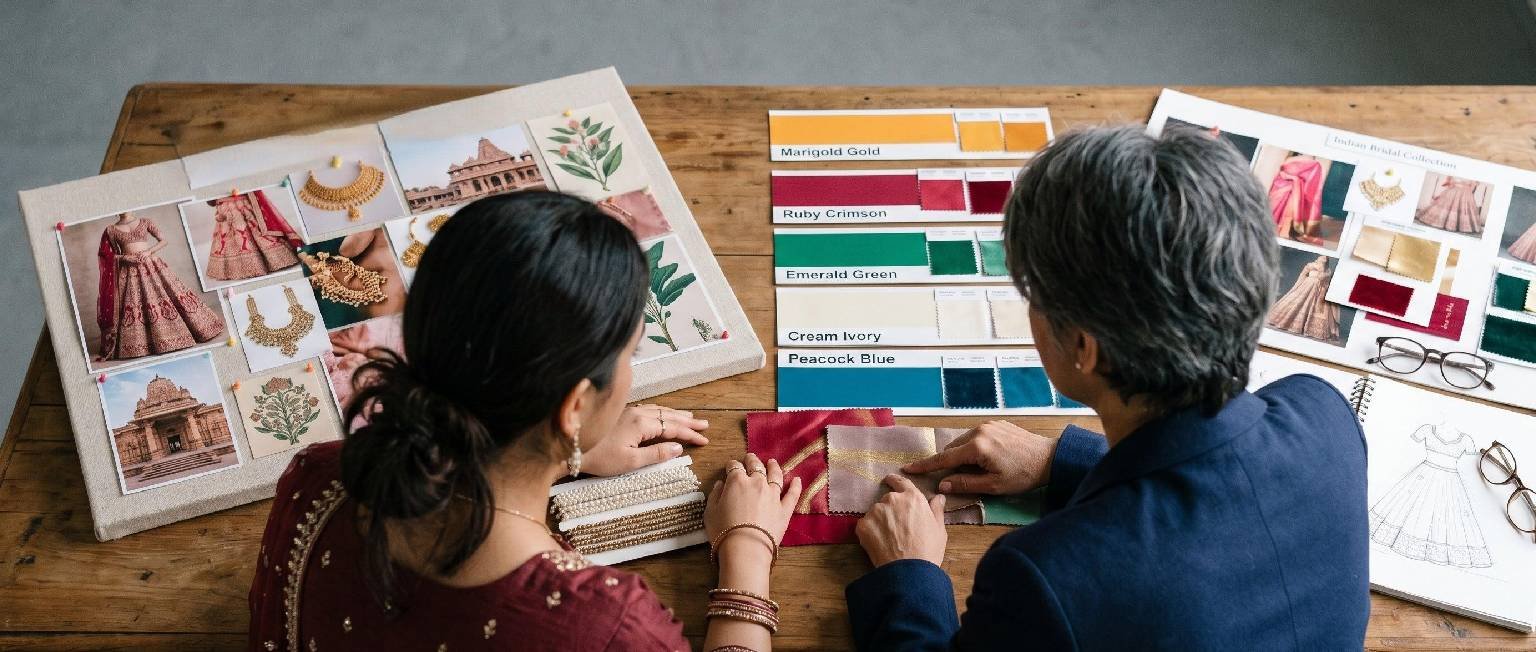
How to Choose a Bridal Makeup Artist Whose Style Matches Your Personality Your wedding day is a personal celebration, and your bridal look should reflect who you are. Some brides love soft, natural makeup that enhances their features, while others prefer glamorous eyes, bold lips or a traditional bridal appearance. There is no single makeup style that suits every bride, which is why choosing the right bridal makeup artist is about more than simply finding someone available on your wedding date. The right artist should understand your preferences, listen to your ideas and help you feel comfortable with the final look. Their expertise should complement your personality rather than make you feel pressured to follow a trend that does not suit you. If you are preparing for your wedding and wondering how to choose a bridal makeup artist, this guide will help you identify your preferred style, evaluate an artist’s portfolio, ask the right questions and make a confident decision. 1. Understand Your Personal Bridal Makeup Style Before contacting a makeup artist, spend some time thinking about how you want to look and feel on your wedding day. You do not need to know every technical detail about makeup. Having a general idea of your preferences will help you communicate more clearly during a consultation. Natural and Minimal Bridal Makeup If you prefer a fresh, understated appearance, you may feel most comfortable with makeup that enhances your natural features without dramatically changing them. This style can include a well-blended base, softly defined eyes, natural-looking blush and a lip colour that complements your complexion. When reviewing an artist’s portfolio, look for examples of natural bridal makeup across different lighting conditions and skin tones. Soft Glam Bridal Makeup Soft glam offers a balance between natural-looking makeup and a more polished, defined appearance. It may include blended eyeshadow, softly sculpted cheeks, defined lashes and a satin or radiant complexion. This style can be adapted to traditional and contemporary wedding outfits. If you enjoy looking glamorous while still feeling like yourself, soft glam may be worth discussing with your makeup artist. Traditional Indian Bridal Makeup Traditional bridal makeup can include defined eyes, rich lip colours and a complexion that complements elaborate outfits and jewellery. The exact look varies according to regional traditions, outfit colours, accessories and personal preferences. A skilled artist should be able to adapt traditional elements to your comfort level rather than applying the same look to every bride. Bold and Glamorous Bridal Makeup Some brides prefer dramatic eyes, statement lips, more defined contours or a striking overall appearance. If this reflects your personality, review the artist’s work to see how they balance bold makeup with the bride’s features, outfit and accessories. The goal is to find an artist whose interpretation of glamour matches your own vision. 2. Review the Makeup Artist’s Portfolio Carefully A portfolio is one of the most useful tools for evaluating whether an artist’s style matches your preferences. However, do not judge the portfolio only by the number of photographs or the popularity of the brides featured in them. Look for consistency, versatility and the quality of the finished makeup. Look for Your Preferred Makeup Style If you prefer natural makeup, check whether the artist regularly creates that style. If you want traditional Maharashtrian bridal makeup or dramatic reception glam, look for examples that demonstrate relevant experience. An artist may offer multiple styles, but their portfolio should help you understand the kind of results they can realistically achieve. Check Different Skin Tones and Features Look for examples of work across a range of complexions and facial features. This can help you assess whether the artist adapts makeup to individual brides rather than using a uniform approach. Pay attention to foundation blending, eye makeup, lip colour and how the finished look works with the outfit. Examine Unedited or Realistic Images Highly edited images can make it difficult to assess the actual makeup application. Where possible, review a combination of close-up photographs, full bridal portraits, natural-light images and short videos. These provide a broader picture of how the makeup looks in different situations. Notice the Overall Balance A strong bridal look should work with the bride’s features, hairstyle, jewellery and outfit. Look for thoughtful colour choices, balanced makeup intensity and a finish that suits the style being presented. 3. Choose an Artist Who Understands Your Personality Technical skills matter, but communication is equally important when selecting a bridal makeup artist. Your makeup appointment can involve several hours of preparation on a day that may already feel emotional and busy. You should feel comfortable explaining your preferences and asking questions. During your initial conversation, notice whether the artist listens carefully, asks about your outfit and understands the look you want. A good consultation should help you explore suitable options without making you feel that your natural preferences are wrong. For example, if you rarely wear heavy makeup, an artist should discuss ways to achieve a polished bridal look while respecting your comfort level. Similarly, if you enjoy bold makeup, the conversation should focus on how to create your preferred style in a way that works with your features, outfit and wedding setting. Your makeup artist does not need to share your personal taste in every detail, but they should understand your vision and be able to explain how they can help achieve it. 4. Schedule a Bridal Makeup Consultation Before Booking A consultation gives you an opportunity to discuss your expectations before making a final decision. It can also help you understand the artist’s process, available services and suitability for your wedding requirements. Prepare a few reference photographs that represent the elements you like. You might prefer the eyes from one look, the complexion from another and a particular lip colour from a third. Explain these preferences rather than asking the artist to copy a single photograph exactly. During the consultation, discuss: Your preferred makeup style and coverage. Your skin type and any product sensitivities you choose to disclose. Your

Bridal Makeup Looks for Photography & Video
Why Bridal Makeup Can Look Different in Real Life, Photographs and Wedding Videos Your bridal makeup may look beautiful in the mirror, but when you see your wedding photographs or videos, you might notice differences in your complexion, lipstick colour, eye makeup or overall finish. Sometimes the makeup appears softer in photographs, while in other situations it may look more defined or reflective than expected. This happens because makeup is experienced differently by the human eye and a camera. Lighting, camera settings, image processing, distance and the type of makeup products used can all influence how your bridal look appears. Understanding these differences can help you make informed decisions when planning your wedding makeup. With the right preparation, professional application and coordination with your photography team, you can create a bridal look that feels beautiful in person and translates well on camera. In this guide, we explain why bridal makeup can look different in real life, photographs and wedding videos, along with practical tips to help you prepare for your special day. 1. Why Bridal Makeup Looks Different to the Human Eye and a Camera When you look at yourself in a mirror, you see your makeup under the lighting conditions around you. A camera, however, captures an image based on its sensor, exposure, white balance, lens and processing settings. These differences can change the appearance of your makeup even when the application itself has not changed. For example, soft indoor lighting may make your complexion appear warm and smooth. Under bright daylight, the same foundation may appear slightly different because the light reveals more detail and changes how colours are perceived. Wedding photographs may also undergo editing, colour correction and retouching, which can further influence the final appearance. This is why a bridal makeup look should be evaluated under different lighting conditions rather than judged only in front of a dressing-room mirror. 2. How Lighting Changes the Appearance of Bridal Makeup Lighting is one of the most important factors influencing how makeup appears in photographs and videos. Natural Daylight Natural daylight can reveal skin texture, colour differences and the way foundation blends with your complexion. It is useful for checking whether your makeup looks balanced beyond the warm lighting commonly found in dressing rooms. If possible, review your makeup near a window or in suitable natural light during your bridal trial. Indoor Wedding Lighting Wedding venues often use warm decorative lights, chandeliers, spotlights or a mixture of different light sources. These conditions can make some colours appear warmer or cooler than they looked during makeup application. The effect depends on the light source and the camera’s settings. Discuss your wedding venue with your makeup artist so the planned look can be evaluated in an appropriate setting. Flash Photography Flash photography produces a brief burst of light that can affect how foundation, highlighter, powder and other products appear in an image. A shiny forehead or cheek may reflect the flash more strongly than the surrounding skin. Certain product and lighting combinations can also produce unwanted colour differences. However, flashback is not inevitable, and no single product ingredient explains every case. Product formulation, application, skin preparation, exposure and lighting all play a role. Outdoor and Evening Lighting Outdoor ceremonies may involve direct sunlight, shade or changing daylight. Evening functions may combine decorative lighting with camera flash or video lights. Because these conditions differ, a makeup look that appears balanced in one environment may look different in another. 3. Why Foundation Can Look Different in Wedding Photos Foundation creates the base for your bridal makeup, so its shade and finish can have a noticeable effect on photographs. Incorrect Foundation Shade A foundation that is too light, too dark or mismatched to your skin’s undertone can become more noticeable under certain lighting conditions. Your foundation should blend naturally with your complexion and visible neck area. Avoid choosing a shade simply because it makes the skin appear lighter. During a trial, check the shade under more than one type of lighting and review photographs taken with different camera settings where possible. Excessive Product Application Applying too many layers of foundation and concealer can sometimes make the complexion look heavier or more textured. A well-prepared base with suitable coverage can help your makeup look polished while preserving a natural appearance. The ideal coverage depends on your skin, personal preferences, event requirements and the finish you want to achieve. Foundation Finish and Skin Preparation Matte, satin and radiant foundations reflect light differently. Your skin preparation and the products layered underneath can also affect the final finish. If your skin is naturally oily, a very reflective base may appear shinier in photographs. If your skin is dry, certain matte products may emphasise dry patches. Your makeup artist can help choose a suitable combination based on your skin type and desired result. 4. Why Eye Makeup May Look Softer or More Dramatic on Camera Eye makeup often needs careful consideration because wedding photographs may be taken from different distances, angles and lighting conditions. A softly blended eyeshadow look can appear more subtle in a wide photograph than it does in a close-up portrait. On the other hand, very dark eyeliner or heavy lashes may appear more prominent in a close-up video. Eyeshadow Colours Neutral shades, bronze, gold, rose and deeper colours can all work beautifully for bridal makeup. Their appearance depends on the lighting, the contrast with your skin tone and the camera’s colour reproduction. Do not choose eyeshadow only by looking at a heavily edited inspiration image. Consider how the colour works with your outfit, jewellery and preferred bridal style. Eyeliner and Lashes Eyeliner and lashes help define the eyes, particularly in photographs taken from a distance. However, the ideal intensity depends on your eye shape, the style of makeup and the type of photography planned. A natural bridal look can still photograph beautifully when the details are carefully balanced. Brows and Blending Brows frame the face, while well-blended eyeshadow helps create dimension without harsh transitions.
Maharashtrian Bridal Styling Guide
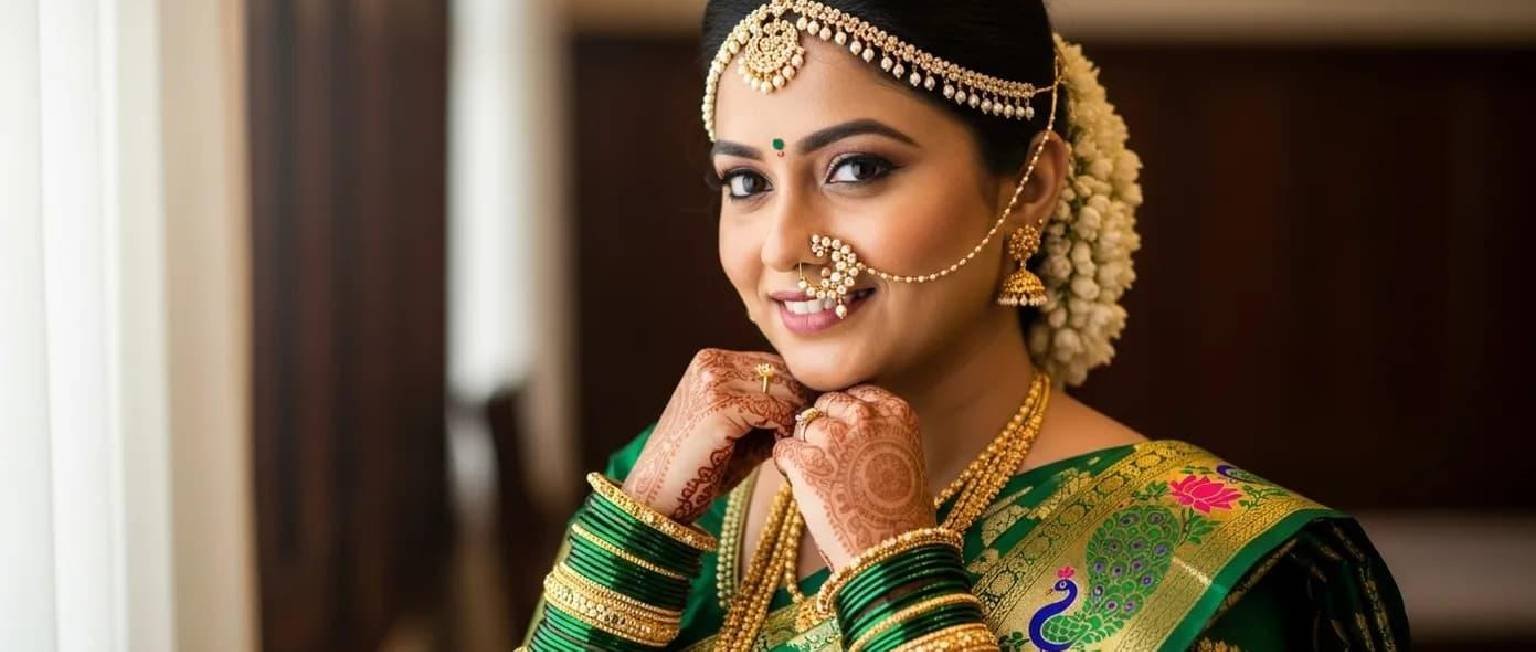
The Complete Maharashtrian Bridal Styling Guide: Makeup, Nauvari Saree and Traditional Jewellery A Maharashtrian bridal look is a beautiful celebration of tradition, culture and personal style. From the elegance of a Nauvari saree to the distinctive charm of a traditional nath, every detail contributes to the bride’s overall appearance. The right makeup, hairstyle and jewellery can bring these elements together to create a look that feels authentic, graceful and memorable. However, planning a traditional bridal look involves more than choosing a beautiful saree and matching accessories. The draping style, jewellery placement, makeup colours, hairstyle and personal preferences all influence the final result. Whether you are planning a traditional Maharashtrian wedding or looking to incorporate cultural elements into a contemporary bridal look, this guide will help you coordinate your makeup, Nauvari saree, jewellery and hairstyle with confidence. 1. Understand the Elements of a Traditional Maharashtrian Bridal Look A traditional Maharashtrian bridal look often combines distinctive clothing, jewellery and beauty details that reflect the bride’s cultural background and personal preferences. Some of the most recognisable elements include: Nauvari saree: A traditional nine-yard saree that can be draped in different regional styles. Nath: A distinctive nose ornament that often becomes a focal point of the bridal look. Mundavalya: A traditional forehead ornament worn by brides and grooms in many Maharashtrian wedding traditions. Maharashtrian jewellery: Pieces such as thushi, tanmani, kolhapuri saaj, bangles and traditional earrings. Traditional hairstyle: A bun or another secured style that accommodates jewellery and supports the saree’s overall appearance. Bridal makeup: Makeup that complements the outfit and jewellery while enhancing the bride’s natural features. Not every bride chooses all these elements. Your final styling can reflect your family’s traditions, ceremony requirements and individual preferences. 2. Choose the Right Nauvari Saree for Your Bridal Look The Nauvari saree is one of the defining features of many traditional Maharashtrian bridal looks. Its distinctive draping style creates a graceful silhouette while allowing ease of movement when properly fitted. When selecting your bridal saree, consider its colour, fabric, border, embellishments and the overall style you want to achieve. Traditional Colours for a Maharashtrian Bride Colours such as green, red, maroon, purple and gold are popular choices for traditional bridal outfits. Each creates a different visual effect and can influence your makeup and jewellery palette. For example, a green Nauvari saree with a gold border can pair beautifully with traditional gold jewellery and warm-toned makeup. A red or maroon saree may complement classic red lipstick, softly defined eyes and gold accessories. These are styling suggestions rather than fixed rules. Choose colours that suit your complexion, preferences and wedding traditions. Fabric and Border Details The fabric and border can influence how your saree drapes and photographs. Rich silk fabrics and detailed borders often create a traditional, celebratory appearance, while lighter fabrics may offer a different balance of structure and comfort. Consider your wedding schedule, the ceremony setting and how long you will be wearing the saree before finalising your choice. Plan Your Saree Draping in Advance Nauvari saree draping requires attention to the pleats, waist fit, shoulder placement and overall balance of the outfit. If you are wearing a Nauvari saree for the first time, arrange a trial with an experienced draper. This helps you assess comfort, movement and how the saree works with your jewellery and footwear. 3. Select Traditional Maharashtrian Jewellery Carefully Jewellery plays an important role in completing a Maharashtrian bridal look. Traditional pieces can add cultural character, texture and visual interest to your outfit. The key is to select jewellery that complements your saree and makeup without making the overall look feel uncomfortable or unbalanced. Nath: A Signature Bridal Detail The Maharashtrian nath is often one of the most recognisable elements of the bridal appearance. Depending on the design, it can draw attention to the nose, cheeks and lips. When planning your makeup, consider how the nath will frame your face. Well-blended complexion makeup, balanced blush and a complementary lip colour can help create a cohesive look. Make sure the nath fits comfortably and is securely positioned before the ceremony. Thushi and Traditional Necklaces A thushi is a traditional Maharashtrian necklace that can work beautifully with a Nauvari saree. Depending on your chosen jewellery, you might combine it with a longer necklace or other traditional pieces. Consider the neckline of your blouse, the saree border and the size of your earrings when selecting your necklace combination. If you choose several statement pieces, keep the overall styling intentional so that each accessory has room to stand out. Kolhapuri Saaj and Other Traditional Pieces A Kolhapuri saaj is another traditional jewellery choice associated with Maharashtrian styling. It can be worn as a focal necklace or coordinated with other pieces, depending on your preferences and family traditions. Traditional earrings, green bangles and other accessories can complete the look. Before the wedding, try your full jewellery set with your saree and blouse to check comfort, fit and visual balance. 4. Choose Maharashtrian Bridal Makeup That Complements Your Outfit Maharashtrian bridal makeup can range from understated and traditional to more glamorous interpretations. Your preferred style should complement your outfit, jewellery, complexion and the overall atmosphere of your ceremony. Create a Well-Blended Base A well-prepared complexion can help the rest of your makeup look balanced and polished. Choose products that suit your skin type and desired finish, and avoid selecting foundation solely because it appears lighter or brighter. Your makeup should look harmonious with your neck and other visible areas of skin in both natural light and photographs. Define the Eyes Thoughtfully Brown, bronze, champagne and gold eyeshadows can complement traditional jewellery and rich saree colours. Depending on your preferred look, you can add eyeliner, mascara or more defined eye makeup. If your nath and earrings are particularly detailed, you may prefer a balanced eye look. Alternatively, a more dramatic eye can work well when the entire combination is planned carefully. Select a Complementary Lip Colour Classic red, rose, berry, peach and warm nude shades can all