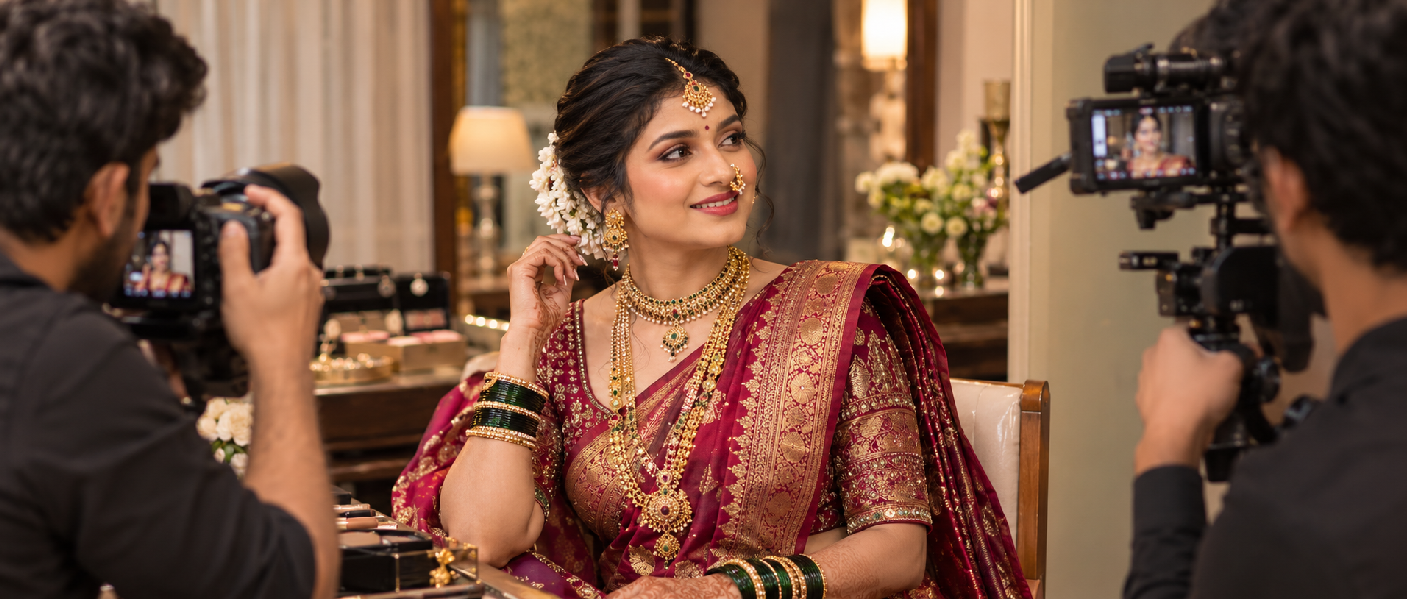
Why Bridal Makeup for Wedding Photography and Videos Matters Your wedding day is filled with moments you will want to remember for years. From getting ready with family to exchanging vows, walking down the aisle and celebrating at the reception, professional photographs and videos preserve these memories. Bridal makeup therefore needs to look beautiful not only in the mirror but also through different cameras, lighting conditions and recording situations. Bridal Makeup for Wedding Photography and Videos requires a thoughtful balance between enhancing your natural features and maintaining a realistic appearance on camera. Makeup that looks subtle in person may appear less defined in photographs, while an excessively heavy application may look unnatural in close-up video footage. The goal is not to make your face look completely different. Instead, bridal makeup should complement your complexion, wedding outfit, jewellery and personal style while helping your features remain visible in both still photographs and moving footage. Lighting is especially important. Natural daylight, warm indoor lights, stage spotlights and camera flash can all affect how colours and textures appear. The foundation, blush, eyeshadow and lipstick you choose should work well with the lighting conditions expected throughout your wedding. Your photographer and makeup artist can also work together to create a consistent look. When both understand your preferred style and wedding schedule, they can plan for portraits, close-ups, candid photographs and long video recordings. Whether you prefer a traditional Maharashtrian bridal look, a glamorous reception appearance or soft, natural makeup, careful preparation can help you feel confident in front of the camera. Prepare Your Skin for a Smooth, Natural-Looking Makeup Base Beautiful bridal makeup begins with skin preparation. Foundation and concealer can enhance your complexion, but they generally work best when applied to skin that is comfortable, moisturised and prepared appropriately for the products being used. Begin your bridal skincare routine well before the wedding. Use familiar products that suit your skin and avoid experimenting with strong exfoliants, peels or unfamiliar treatments immediately before the ceremony. Irritation, unexpected dryness or breakouts can make makeup application more challenging. On the wedding day, gentle cleansing and suitable moisturising can help prepare the skin. If sunscreen is part of your routine, discuss the specific product and expected photography conditions with your makeup artist. Some products can affect how the base feels or appears under certain lighting, so advance testing is useful. Your skin type also influences the makeup approach. Oily skin may benefit from a carefully selected oil-control routine, while dry skin may need more attention to hydration and the choice of foundation. Combination skin may require different preparation across different areas of the face. A few practical habits can support your bridal makeup preparation: Keep skincare consistent: Continue with familiar products rather than introducing several new ones before the wedding. Moisturise appropriately: Choose a moisturiser suited to your skin type and allow it to settle before makeup. Avoid harsh last-minute treatments: Do not risk redness or peeling just before your wedding. Discuss skin concerns early: Tell your makeup artist about dryness, sensitivity or areas where makeup usually separates. Get adequate rest: A comfortable routine can help you feel refreshed, although sleep cannot guarantee the absence of under-eye shadows. Plan ahead: Allow enough time for skincare and makeup rather than rushing the preparation. During your bridal trial, observe how your skin looks after several hours, not just immediately after application. This can help your artist decide which products and techniques suit you best. A well-prepared base gives your makeup artist a better starting point for creating a finish that looks polished in photographs while retaining the natural character of your skin. Choose the Right Foundation for Camera-Ready Bridal Makeup Foundation is one of the most important parts of bridal makeup because it influences how the complexion looks in close-up photographs and extended video footage. The right formula should complement your natural skin tone, suit your skin type and provide the level of coverage you prefer without looking unnecessarily heavy. A common mistake is selecting a foundation that is too light in the hope of making the face look brighter in photographs. This can create a noticeable difference between the face and neck, particularly in flash photography. A better approach is to choose a shade that matches your complexion and blend it carefully along the jawline and neck as appropriate. Coverage should also suit your preferences. Sheer or medium coverage may be sufficient for brides who want their natural skin to remain visible. Higher coverage may be preferred for specific concerns, but applying more product does not automatically create a better camera-ready result. The finish matters as well. A natural or satin finish may provide a balanced appearance, while a matte finish can help some skin types manage excess shine. Dewy makeup can look beautiful too, but the level of shine should be considered in relation to the lighting and your skin type. Keep these points in mind: Match your complexion: Check the foundation against your face and neck in suitable natural light. Blend carefully: Avoid visible lines around the jaw, hairline and sides of the nose. Use appropriate coverage: Build coverage only where needed instead of applying thick layers everywhere. Consider your skin type: Select a formula that works with your skin and the expected wedding conditions. Test in photographs: Review your foundation in close-ups and wider portraits during the trial. Avoid untested products: Do not introduce a new foundation on the wedding morning without prior testing. Your foundation should look cohesive from different angles and during movement. A makeup trial helps reveal how it behaves when you smile, speak and spend time under different lighting conditions. The best foundation is not necessarily the most expensive or highest-coverage option. It is the one that creates the finish you want while remaining comfortable and natural-looking on camera. Understand Lighting, Flash and Camera Exposure Lighting can change how bridal makeup appears, even when the products remain exactly the same. A lipstick shade may look warmer under indoor lighting, eyeshadow
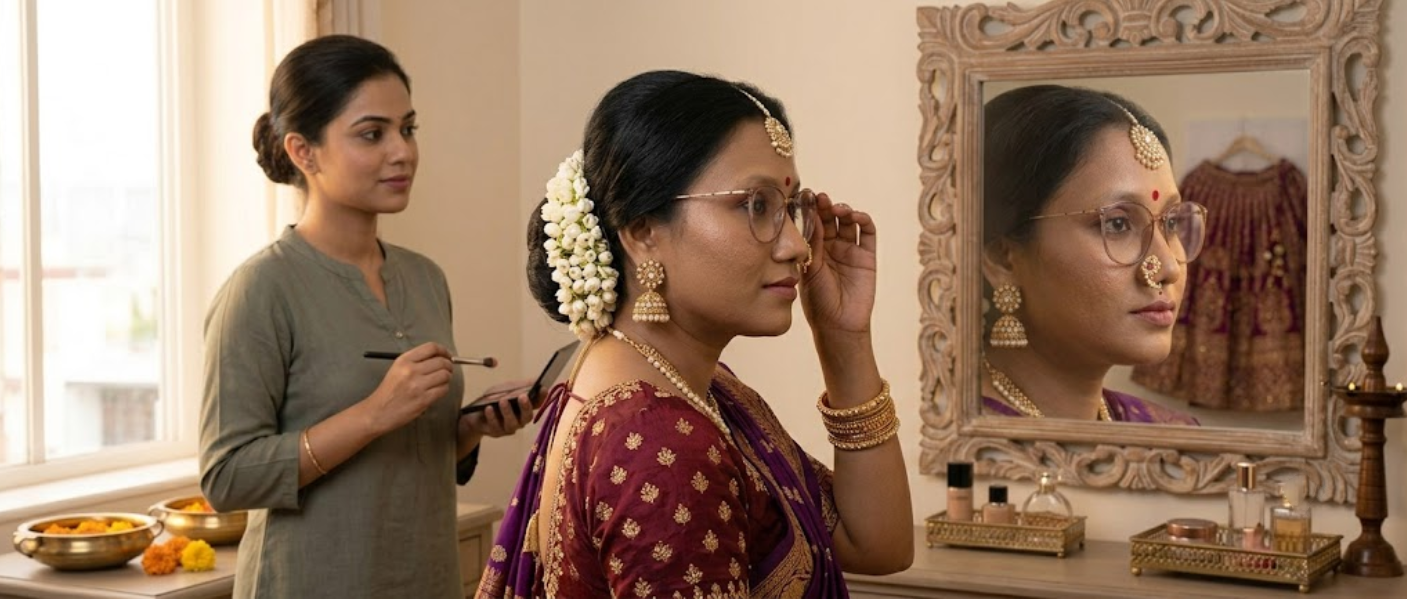
Bridal Makeup for Brides Wearing Glasses: Tips for Beautiful Wedding Photos
Bridal Makeup for Brides Wearing Glasses — Celebrating Your Natural Style Wearing glasses on your wedding day does not mean you need to compromise on your bridal appearance. Glasses can become a beautiful part of your personal style, complementing your face, traditional jewellery and wedding outfit. With thoughtful makeup choices and a little preparation, you can create an elegant look that feels natural and photographs beautifully. Bridal Makeup for Brides Wearing Glasses requires attention to the way frames sit on the face, how lenses affect the appearance of the eyes and which makeup techniques work comfortably with your eyewear. The goal is not necessarily to hide your glasses or make your makeup dramatically different. Instead, the aim is to create balance between your eyes, eyebrows, lips, frames and overall bridal styling. Indian bridal makeup includes many beautiful possibilities, from traditional Maharashtrian looks with a Paithani saree to contemporary lehengas, pastel reception outfits and minimalist bridal gowns. Glasses can complement any of these styles when the frame shape and makeup are coordinated thoughtfully. You may prefer a bold lip with softly defined eyes, or you might want expressive eye makeup that remains visible behind your lenses. Both approaches can work. Your comfort, personal taste and wedding-day schedule should guide your decisions. A bridal makeup trial is particularly useful if you normally wear glasses every day. It allows you to check the complete look, identify any areas where frames rub against makeup and see how your eyes appear in photographs. Your wedding day is about feeling confident and being yourself. If glasses are part of your everyday identity, there is no reason you cannot wear them proudly while enjoying beautiful bridal photographs. Choose Bridal Frames That Complement Your Face and Outfit Your glasses can influence the overall balance of your bridal look. Frame shape, thickness, colour and size all contribute to how your eyes and facial features appear. Choosing frames that complement your outfit and feel comfortable can make a noticeable difference to your wedding photographs. You do not need to purchase new glasses specifically for your wedding. If you plan to wear your regular pair, make sure they are clean, fit properly and do not slide down your nose. If you are considering a different pair, test it well before the wedding rather than making an unfamiliar change at the last minute. Consider these styling suggestions: Thin metal frames: These can create a delicate appearance and work well with detailed jewellery or softer makeup. Bold frames: Stronger frames can look striking with defined eyebrows and balanced lipstick. Round frames: These may complement soft, romantic makeup and traditional bridal styling. Rectangular frames: These can create a more structured appearance and pair well with clean eyeliner. Transparent frames: These can provide a subtle, contemporary look without adding much visual weight. Coloured frames: Coordinate the frame colour with your outfit and jewellery without feeling obliged to match everything exactly. Frame size also matters. Frames that sit too low or press into your cheeks may become uncomfortable and can interfere with makeup. Ask an optician to check the fit if your glasses slide, pinch or rest awkwardly against your face. Think about the complete look rather than choosing frames in isolation. A heavily embellished outfit, statement earrings and bold frames may all compete for attention if every element is equally dramatic. Balancing these details can create a more harmonious appearance. The most suitable frames are those that fit well, complement your features and allow you to enjoy your wedding comfortably. Create Beautiful Eye Makeup That Works Behind Glasses Eye makeup can look different when viewed through prescription lenses. Depending on the prescription and lens design, the eyes may appear slightly larger or smaller, and reflections may affect how clearly the makeup is seen. Your makeup artist should consider these factors while choosing the intensity and placement of your eye makeup. Start with a style that suits your wedding outfit and personal preferences. Softly blended eyeshadow, carefully applied eyeliner and defined lashes can create a polished look without making the eyes appear overly heavy. If you prefer a traditional Indian bridal style, you can still incorporate richer colours, a subtle shimmer or a more dramatic eyeliner. The key is to evaluate the makeup while wearing your glasses. A look that seems perfect without frames may appear different once your spectacles are in place. Consider the distance between your eyes and the lenses, the size of the frames and whether the frames cover part of your eyelid. These details help your artist decide where to place eyeshadow and how much definition is needed. Waterproof or water-resistant products may be useful if you expect emotional moments, humidity or long ceremonies, provided they suit your eyes and are removed gently after the event. Avoid applying products so close to the eyes that they cause irritation or discomfort. If you are unsure about the right level of eye definition, test a softer look and a more dramatic look during your trial. Take photographs with your glasses on and compare the results. Beautiful bridal eye makeup should enhance your natural features rather than compete with your frames. The final look should remain comfortable, balanced and recognisably you. Eyebrows, Eyeliner and Lashes — Finding the Right Balance Your eyebrows, eyeliner and lashes help define the eye area, especially when you wear glasses. The right balance can make your eyes look polished and expressive without creating too much visual weight around your frames. Eyebrows frame the upper part of your face and can influence how your glasses sit visually. Well-groomed, naturally defined brows often complement bridal makeup, but you do not need to create an exaggerated shape. Your makeup artist can fill sparse areas gently and keep the finish consistent with your natural brow shape. Eyeliner should be adapted to your eye shape and frame style. A fine line may work beautifully with delicate frames, while slightly stronger definition can help the eyes remain visible behind bolder frames. This depends on the
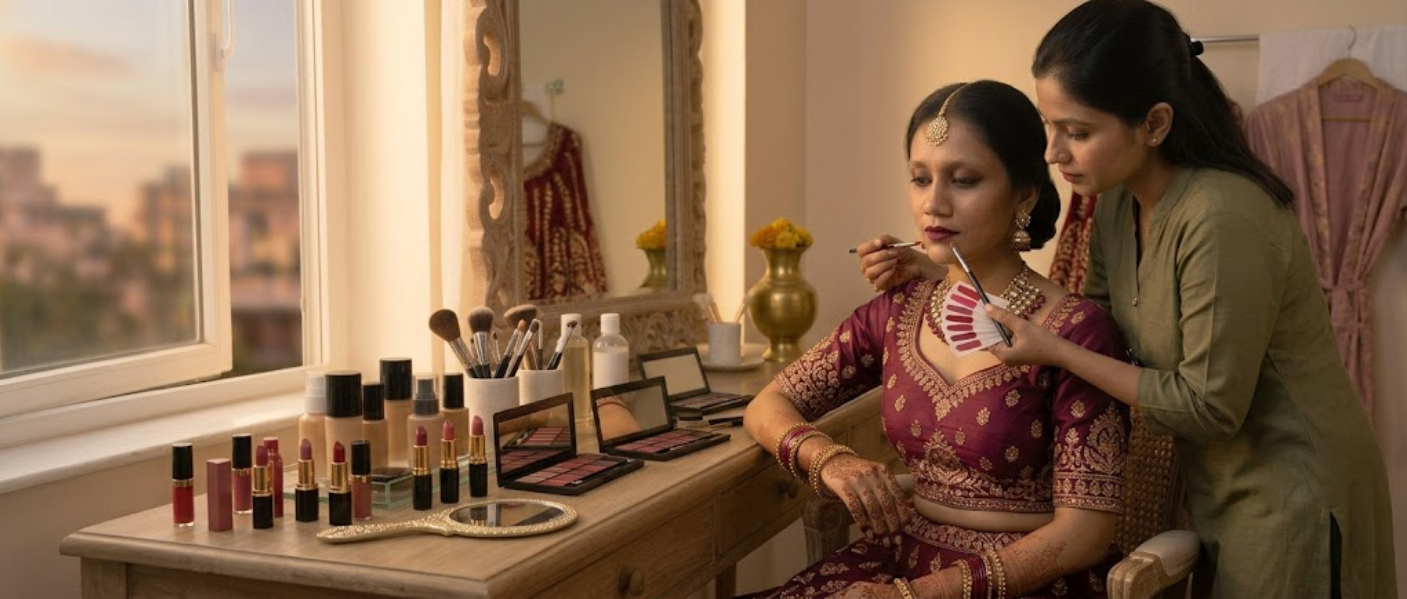
How to Choose the Right Bridal Lipstick Shade for Your Skin Tone and Wedding Outfit
Why Choosing the Right Bridal Lipstick Shade Matters Lipstick is a small part of your makeup kit, but it can make a noticeable difference to your overall bridal appearance. The right colour can complement your complexion, balance your eye makeup and bring your wedding outfit together. The wrong shade, on the other hand, may feel too bright, too pale or simply different from the look you imagined. Learning How to Choose the Right Bridal Lipstick Shade starts with understanding that there is no single colour that suits every bride. Your skin tone, natural lip colour, outfit, jewellery, ceremony lighting and personal preferences all influence the final result. For example, a traditional red saree may look beautiful with classic red, brick-red, rose or berry lipstick. A pastel pink lehenga may work well with rosy pink, mauve or a soft rose-brown shade. These are useful starting points, not strict rules. A bride can choose a contrasting colour if she prefers a more distinctive look. The finish also matters. Matte lipstick can provide a defined appearance, satin formulas offer a softer finish, and gloss can create a fresh, luminous effect. Comfort and how the lipstick wears throughout the ceremony are just as important as the colour itself. Your lipstick should also work with the rest of your makeup. If your eye makeup is dramatic, you may prefer a balanced lip shade, while a simpler eye look can pair beautifully with a bold lip. The best choice is one that complements your features, photographs well under your expected lighting and makes you feel confident throughout your wedding celebrations. Understand Your Skin Tone and Undertone Before selecting a bridal lipstick, it helps to distinguish between your skin tone and undertone. Skin tone refers broadly to how light or deep your complexion appears, while undertone describes the subtle warmth, coolness or neutrality beneath the surface. Indian brides have a wide range of complexions, from fair to deep, with warm, cool and neutral undertones. None is better than another, and each can work beautifully with a wide variety of lipstick colours. Warm undertones may appear golden, peachy or yellow. Cool undertones may have a pinker or bluish quality, while neutral undertones may combine characteristics of both. These descriptions are only guides, and undertones can be difficult to determine from appearance alone. A practical way to choose lipstick is to try several colours in person and observe how they look against your face, rather than relying exclusively on a colour chart. If possible, assess the shade in natural light and compare it with your wedding outfit. Keep these general guidelines in mind: Warm undertones: Explore brick red, warm rose, coral-red and terracotta shades. Cool undertones: Try blue-based red, berry, mauve and cool rose. Neutral undertones: Consider balanced reds, rose-brown, pink and berry shades. Light complexions: Test soft rose, pink, classic red and other colours you enjoy. Medium complexions: Explore warm pink, rosewood, brick red and berry. Deep complexions: Try rich berry, wine, deep red, plum and warm brown-red shades. These suggestions are not fixed rules. A lipstick’s depth, saturation and finish can change how it appears, and a colour that surprises you on a chart may look excellent in person. Ask your makeup artist to test a few options during your bridal trial. Seeing the shades alongside your outfit and eye makeup will help you choose more confidently. Choose a Bridal Lipstick Colour That Complements Your Wedding Outfit Your bridal outfit is one of the most useful references when choosing lipstick. Fabric colour, embroidery, jewellery and the overall styling can help you decide whether you prefer a harmonious look or a more noticeable colour contrast. A red silk saree can pair with classic red, deep rose or brick-red lipstick. Pink outfits may work with rosy pink, rose-brown or berry shades. Green outfits can look beautiful with warm red, brick, rose or deeper berry tones, depending on the styling. Pastel outfits may suit soft rose, mauve or muted pink, while darker outfits can complement richer colours. However, matching your lipstick exactly to your outfit is not necessary. A complementary shade may look more balanced, particularly when the outfit already includes strong colours, heavy embroidery or statement jewellery. Consider the overall palette rather than the outfit colour alone. Gold jewellery, silver-toned accessories, a contrasting dupatta and your eye makeup all contribute to the final appearance. A few practical suggestions can help: Red bridal outfit: Try classic red, brick red, rose or a deeper red. Pink bridal outfit: Consider rose pink, dusty pink, mauve or berry. Green bridal outfit: Explore warm red, rose-brown or berry tones. Pastel bridal outfit: Test soft rose, muted pink, nude-pink or mauve. Gold-heavy styling: Consider warm red, rose-brown or other complementary shades. Contemporary reception outfit: Choose a shade that suits the overall look rather than following traditional colour expectations. Bring a photograph of your outfit to the makeup trial, preferably in natural light. If possible, wear or bring your jewellery as well. This allows you and your makeup artist to evaluate lipstick shades as part of the complete look. Red Bridal Lipstick for a Traditional and Timeless Look Red lipstick is a popular choice for many Indian bridal looks because it can create a defined, traditional and confident appearance. However, red is not one single colour. It includes blue-based reds, warm reds, brick reds, cherry reds and deep wine-red shades. The best red depends on the rest of your styling and the effect you want to achieve. A bright red can create a statement look, while a deeper red may feel more dramatic. Brick red offers a warmer appearance, and a rose-red shade may provide a softer alternative. Your bridal outfit can guide the choice, but you do not need to match its colour exactly. If your saree is bright red, a slightly deeper or more muted lipstick may provide definition without looking identical. If your outfit includes gold embroidery, a warm red may complement the overall palette. The finish also changes the effect. Matte
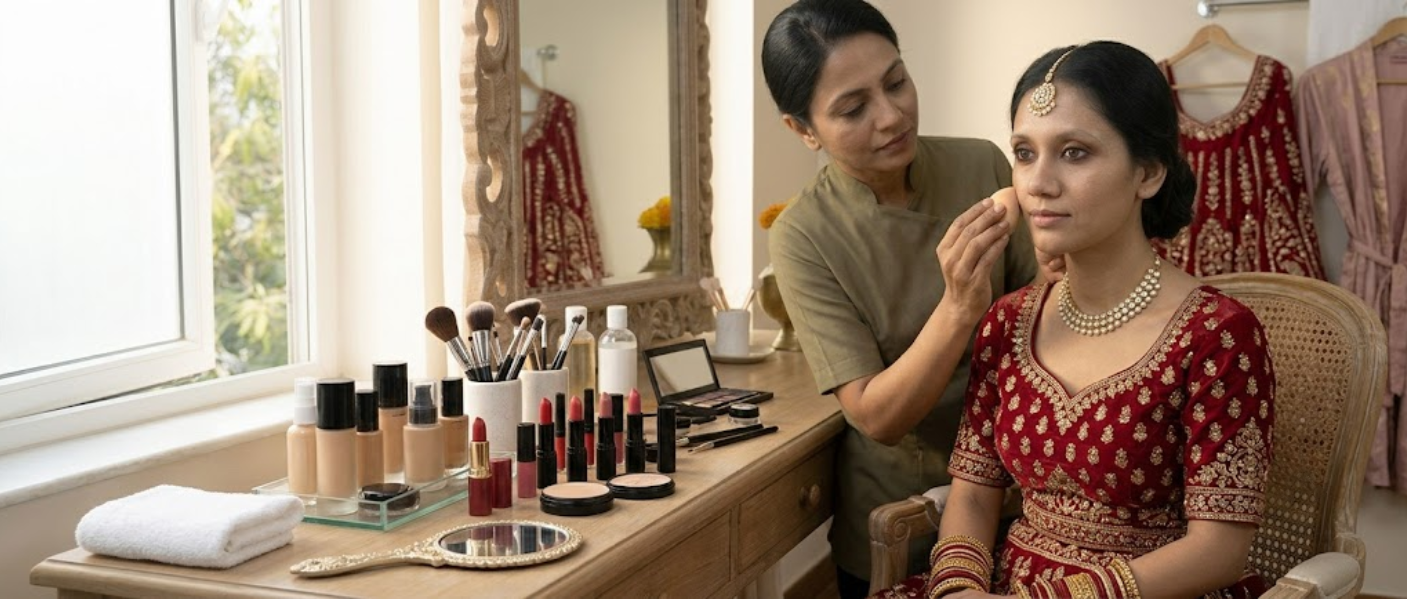
Bridal Makeup Mistakes to Avoid Before and During Your Wedding Day
Why Every Bride Should Know the Common Bridal Makeup Mistakes to Avoid Your wedding day involves countless details, from selecting the bridal outfit and jewellery to coordinating the ceremony schedule and photography. Makeup is another important part of the preparation because it contributes to how you feel and how your look comes together in person and in photographs. Understanding the Bridal Makeup Mistakes to Avoid can help you prepare more confidently and reduce unnecessary stress on your wedding day. Many makeup problems are not caused by a lack of expensive products. They happen because of rushed preparation, unsuitable skincare, poor planning or a mismatch between the makeup, outfit and lighting. For example, trying a new facial treatment shortly before the wedding may irritate your skin. Choosing foundation based only on its appearance in a store may lead to a mismatch with your face and neck. Skipping a makeup trial can also leave important decisions until the wedding morning, when there may be little time to make changes. Another common problem is copying a celebrity or social media look without considering your own preferences, facial features, skin type and ceremony conditions. Inspiration photographs can be useful, but your bridal makeup should be adapted to you rather than copied exactly. A successful bridal look begins with realistic expectations and good communication. Give yourself enough time to prepare your skin, discuss your ideas with your makeup artist and test the overall look before the ceremony. The aim is not to achieve completely texture-free skin or follow every beauty trend. It is to create a comfortable, coordinated bridal appearance that reflects your personality and allows you to enjoy the celebrations. Avoid Skipping Your Bridal Makeup Trial One of the most preventable bridal makeup mistakes is skipping the makeup trial and expecting every detail to work perfectly on the wedding day. A trial gives you an opportunity to discuss your preferences, review the products and see how the makeup complements your outfit and jewellery. During the trial, communicate the type of look you prefer. You may want soft, natural makeup, a traditional Maharashtrian bridal appearance, a glamorous reception look or a combination of classic and contemporary styles. Reference photographs can help explain your preferences, but the final look should be adapted to your features and comfort. A trial also gives you time to assess the foundation shade, lipstick colour, eye makeup, blush and overall finish. If you are uncomfortable with heavy eyeliner or a particular lipstick, it is easier to discuss adjustments before the ceremony. Whenever possible, review your makeup under different lighting conditions and take photographs. Natural daylight, indoor lighting and camera flash can affect how makeup appears. Photographs can help you identify whether the look feels balanced rather than relying entirely on the dressing-room mirror. Prepare for your trial by bringing photographs of your bridal outfit, jewellery and hairstyle inspiration. Tell your makeup artist about known skin sensitivities, products you prefer to avoid and any previous makeup experiences that were uncomfortable. A trial is also an opportunity to discuss timing, touch-ups and whether the same artist will be available for additional ceremonies. Booking a trial does not eliminate every possible problem, but it reduces uncertainty and helps you make informed decisions. It gives both you and your makeup artist a clearer understanding of the final bridal look. Do Not Experiment With New Skincare Products Before the Wedding The weeks before your wedding may seem like the ideal time to try new serums, exfoliants, face masks and beauty treatments. However, introducing several unfamiliar products close to the ceremony can create unexpected problems, including redness, irritation, dryness or breakouts. A better approach is to establish a familiar skincare routine well before the wedding. Use products that suit your skin and avoid changing everything at once. If you want to introduce a new product or professional treatment, seek suitable advice and allow enough time to understand how your skin responds. Strong exfoliating ingredients, aggressive scrubbing and certain treatments can irritate some skin types. Even products described as gentle may not suit everyone. Avoid trying to correct every small blemish or skin-texture concern immediately before the wedding. Keep these skincare principles in mind: Choose a gentle cleanser that you already know suits your skin. Use lukewarm water and follow the product instructions. Avoid scrubbing aggressively, using rough facial brushes or washing repeatedly in an attempt to remove every trace of natural oil. Over-cleansing may leave the skin feeling tight, dry or irritated. This can make the preparation process uncomfortable and may affect how your skin looks beneath makeup. For wedding-day preparation, cleanse at a suitable time before your makeup appointment so that you are not rushing. Pat your face dry using a clean, soft towel instead of rubbing it. If your makeup artist has provided specific instructions for cleansing, follow the agreed routine. Keep these cleansing principles in mind: Avoid last-minute experiments: Stick with products you already tolerate well. Cleanse gently: Excessive washing and scrubbing can leave skin uncomfortable. Moisturise appropriately: Choose a product that suits your skin instead of skipping moisturiser automatically. Be careful with active ingredients: Ask a qualified professional about treatments that may cause irritation. Do not pick blemishes: Picking can increase inflammation and leave visible marks. Seek professional advice: Consult a dermatologist for persistent acne, irritation or other skin concerns. The wedding morning is not the right time for a strong facial, unfamiliar peel or aggressive exfoliation in pursuit of instant radiance. If you already follow a professional skincare plan, ask your provider how to manage it safely around your wedding date. Remember that real skin naturally has pores, texture and variations in tone. Your makeup artist can work with your skin rather than requiring you to transform it completely beforehand. A consistent and gentle routine is usually more practical than a complicated collection of new products. Choose the Right Foundation Shade and Finish Foundation can make a significant difference to your bridal makeup, but choosing the wrong shade or finish is
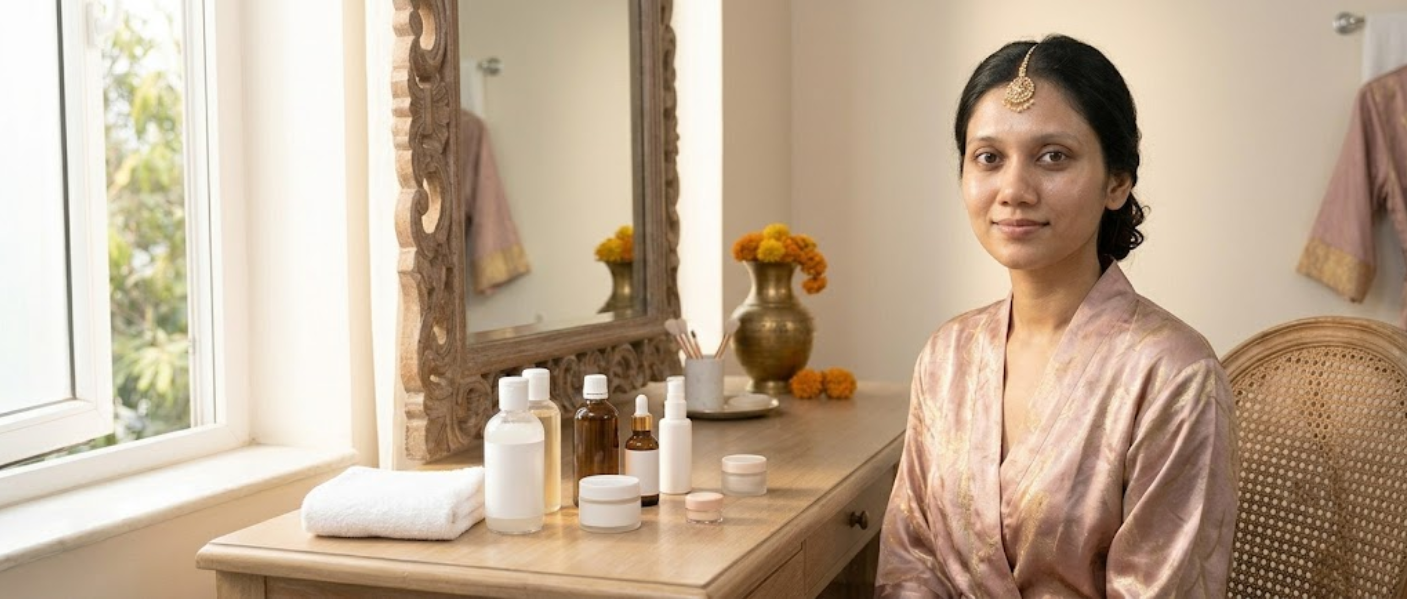
How to Prepare Your Face Before Bridal Makeup: A Step-by-Step Wedding Guide
Why Facial Preparation Matters Before Bridal Makeup Your wedding day is one of the most photographed occasions of your life. From close-up portraits to traditional rituals and candid family photographs, your face will be seen under different lighting conditions throughout the celebration. Preparing your skin before applying makeup helps create a comfortable starting point for your bridal look. Understanding How to Prepare Your Face Before Bridal Makeup is not about achieving perfectly poreless skin or changing your natural complexion. It is about keeping your skin comfortable, using suitable skincare products and giving your makeup artist a clean, well-prepared surface to work with. When skin feels excessively dry, makeup may emphasise flaky areas. When the face is oily, some products may move or lose their original finish more quickly. Dehydrated or irritated skin may also feel uncomfortable beneath several layers of makeup. A suitable preparation routine helps address these concerns without overloading the skin. Ideally, preparation should begin several weeks before the wedding rather than on the morning of the ceremony. A consistent routine gives you time to understand which products suit your skin and avoid last-minute experiments. On the wedding day, keep the routine simple and familiar. Remember that skincare cannot guarantee a completely smooth finish, and visible pores, natural texture and small blemishes are normal. The purpose of preparation is to support your skin, not to make it look unrealistic. With thoughtful preparation and guidance from your bridal makeup artist, you can feel more comfortable and confident when it is time to begin your wedding makeup. Understand Your Skin Type Before Choosing Products Before creating a pre-bridal skincare routine, take some time to understand your skin. Different skin types can respond differently to cleansers, moisturisers and makeup products, so a routine that works well for one bride may not suit another. Oily skin often develops shine, particularly around the forehead, nose and chin. Dry skin may feel tight or show flaky patches. Combination skin can be oily in some areas and dry in others, while sensitive skin may react to fragrance or certain ingredients. Skin can also become temporarily dehydrated regardless of its usual type. Observe how your skin normally feels after cleansing and throughout the day. Avoid repeatedly washing your face or trying several new products just to determine your skin type. If you experience persistent irritation, severe acne or unexplained skin changes, consider consulting a qualified dermatologist before the wedding. Your skin type can help guide product selection, but it should not determine every choice automatically. The weather, your existing skincare routine and the type of makeup planned for the ceremony also matter. For example, a bride with oily skin may benefit from a lightweight moisturiser rather than skipping moisturiser entirely. A bride with dry skin may need a richer formula that feels comfortable without leaving an excessively greasy layer. Sensitive skin generally benefits from familiar, fragrance-free products when tolerated. Discuss your skin concerns with your makeup artist before the wedding. Share information about allergies, known sensitivities and products that have caused reactions previously. Understanding your skin gives you a better starting point for selecting suitable products and avoiding unnecessary experimentation. Follow a Gentle Cleansing Routine Before Makeup Cleansing removes accumulated oil, sweat, dirt and leftover skincare products from the skin’s surface. It is an important part of preparing your face before bridal makeup, but stronger cleansing does not necessarily produce better results. Choose a gentle cleanser that you already know suits your skin. Use lukewarm water and follow the product instructions. Avoid scrubbing aggressively, using rough facial brushes or washing repeatedly in an attempt to remove every trace of natural oil. Over-cleansing may leave the skin feeling tight, dry or irritated. This can make the preparation process uncomfortable and may affect how your skin looks beneath makeup. For wedding-day preparation, cleanse at a suitable time before your makeup appointment so that you are not rushing. Pat your face dry using a clean, soft towel instead of rubbing it. If your makeup artist has provided specific instructions for cleansing, follow the agreed routine. Keep these cleansing principles in mind: Choose a familiar cleanser: Use a product you have tolerated well before the wedding. Use lukewarm water: Avoid very hot water that may leave your skin feeling uncomfortable. Cleanse gently: Use your fingertips rather than harsh scrubbing tools. Remove residue: Rinse thoroughly so cleanser is not left around the hairline or nose. Pat dry carefully: Use a clean towel and avoid unnecessary friction. Avoid last-minute experiments: Do not introduce a strong cleanser or exfoliating product on the wedding morning. If you wear makeup before a pre-wedding event, remove it using a suitable method rather than leaving residue on the skin overnight. However, the wedding morning is not the time to attempt an aggressive deep-cleaning treatment. A gentle cleanse is usually enough to prepare the skin for the next steps in your routine. Moisturise Your Face for a Comfortable Makeup Base Moisturising is an important step in preparing your face before makeup because it helps maintain skin comfort and supports the skin barrier. Skin that feels tight or dry may be less comfortable under makeup, while a suitable moisturiser can help create a more balanced starting point. Choose a moisturiser according to your skin’s needs and the products you already use successfully. A lightweight lotion or gel may feel comfortable for some oily skin types, while dry skin may benefit from a richer cream. Combination skin may need a balanced formula that works across different areas of the face. Apply a reasonable amount rather than layering several creams, oils and serums immediately before makeup. Too many products can leave the surface feeling slippery or cause some formulas to interact poorly with the makeup applied afterward. Give your moisturiser time to settle before your makeup artist begins. The exact waiting time depends on the product and your skin, so follow the product directions and your artist’s advice. Remember that moisturiser should feel comfortable. If your skin becomes itchy, red
Bridal Makeup for Two Wedding Ceremonies in One Day: How to Change Your Look
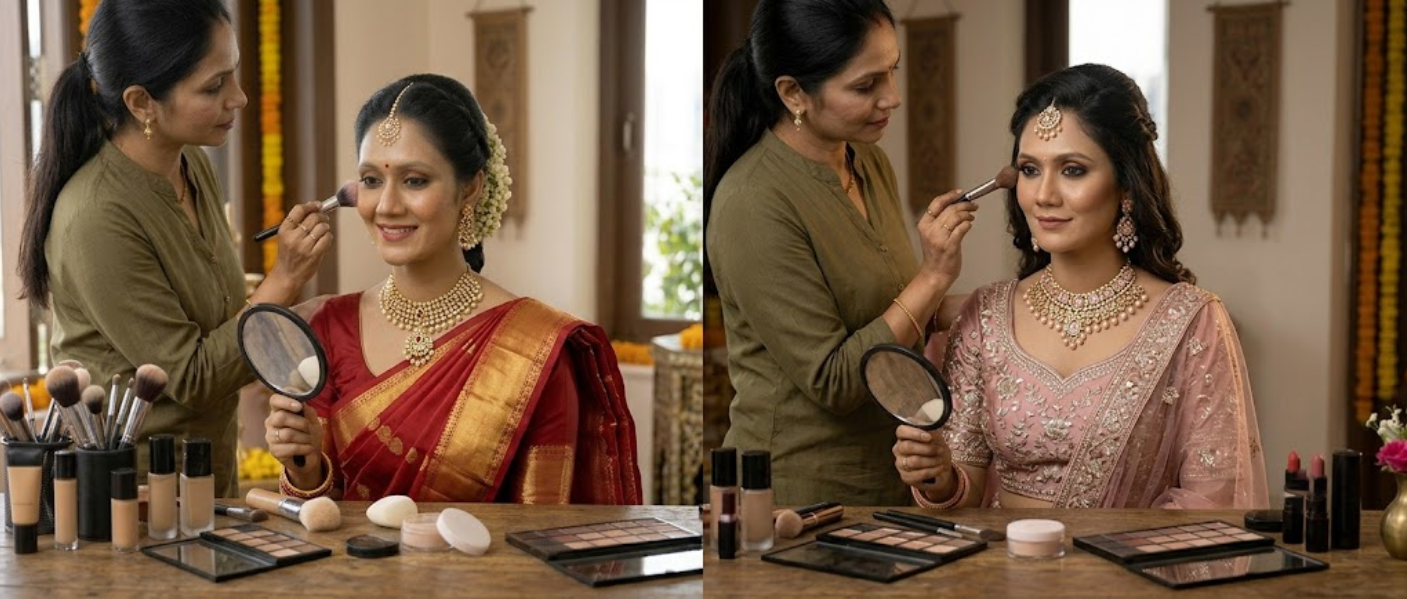
Planning Two Bridal Looks for One Wedding Day Some Indian weddings include two important ceremonies on the same day, such as a traditional wedding ritual followed by a reception, or a morning ceremony followed by an evening celebration. Each occasion may have a different outfit, jewellery arrangement and atmosphere, creating an opportunity for the bride to enjoy two distinct appearances. Planning Bridal Makeup for Two Wedding Ceremonies in One Day requires more than choosing two lipstick shades. You need to consider the timing, the amount of makeup that can be changed, the hairstyle, outfit transitions and the time available between events. For example, a bride may choose a traditional red saree, defined eyes and classic lipstick for the wedding ceremony. For the reception, she might prefer a contemporary lehenga, a more sculpted complexion, a different lip colour and slightly more dramatic eye makeup. The most practical approach is to create one well-planned base look that can be refreshed and adapted. Depending on the schedule, the makeup artist may adjust the lipstick, blush, eye definition and highlighting rather than removing all the makeup and starting again. The outfits should also be selected with the transformation in mind. Heavy jewellery, elaborate hairstyles and complicated draping can take time to change, so discuss these details before the wedding day. A clear plan helps you enjoy both ceremonies without feeling rushed. With a suitable schedule and the right makeup techniques, each look can feel special while still reflecting your personality. Decide How Different Your Two Bridal Looks Should Be Before choosing makeup products, decide how you want the two looks to differ. Some brides prefer a subtle transformation that keeps their appearance consistent, while others want a traditional wedding look followed by a noticeably more glamorous reception style. Your ceremony outfits provide a natural starting point. A traditional silk saree may inspire classic makeup with defined eyes, warm tones and a timeless lipstick shade. A contemporary reception outfit could work with a different lip colour, more pronounced eye definition or a slightly more luminous complexion. However, changing every makeup detail is rarely necessary. A few carefully chosen adjustments can make a noticeable difference while saving time. Think about the overall mood you want for each event. The wedding ceremony may call for a traditional and elegant appearance, while the reception may offer more room for contemporary styling. These are options, not rules: your own preferences should guide both looks. Also consider how the two outfits differ in colour, embroidery and jewellery. If both outfits are heavily embellished, a dramatic makeup change may not be necessary. If the reception outfit is simpler, you might choose to emphasise the eyes or lips. Discuss the transformation with your makeup artist before the wedding. Agree on which features will remain consistent and which will change. This helps avoid last-minute decisions and makes the transition easier to manage. Create a Long-Lasting Base That Can Be Refreshed When two ceremonies take place on the same day, the initial makeup needs to remain presentable while allowing practical touch-ups later. A carefully prepared base can make the transition easier, especially if the first ceremony is long or the weather is warm and humid. The goal is not to make makeup completely resistant to every condition. Heat, perspiration, tears and repeated contact with clothing can affect even professional makeup. Instead, the makeup artist should choose suitable products and techniques for your skin and schedule. A comfortable, well-matched complexion is more important than applying excessive layers. The foundation should match the face and neck, while concealer and other complexion products should be used according to your preferred coverage. These preparation steps can help: Prepare the skin: Follow a familiar skincare routine and use suitable moisturiser before makeup. Choose compatible products: Ask your makeup artist to select products appropriate for your skin and the expected conditions. Build the base carefully: Well-blended layers can create a polished finish without unnecessary heaviness. Set strategically: Setting products can help areas that need extra longevity while preserving the desired finish. Plan touch-ups: Keep agreed products available for small corrections between ceremonies. Avoid rubbing: Blot perspiration gently instead of wiping the face repeatedly. Tell your makeup artist about any skin sensitivities or products you prefer to avoid. It is also useful to discuss the venue, travel time and expected length of each ceremony. A well-planned base gives you a practical foundation for both looks. Later changes can then focus on refreshing and adjusting the makeup rather than correcting avoidable problems. Change Your Lipstick for an Instant Bridal Transformation Changing lipstick is one of the simplest ways to refresh a bridal look between ceremonies. A different shade can alter the overall impression of the makeup without requiring a complete makeover. For a traditional wedding, you might choose classic red, brick-red or a complementary rose shade. For the reception, you could switch to berry, deeper rose, mauve or another colour that works with your second outfit. The best shade depends on your complexion, outfit, jewellery and eye makeup. There is no rule that a bride must wear red for the wedding ceremony or a darker shade for the reception. Choose colours that make you feel confident and complement each outfit. Before applying the second lipstick, your makeup artist may need to remove any remaining product, tidy the lip line and reapply the chosen shade. If the lips feel dry, gentle preparation can improve the finish, but avoid harsh exfoliation or unfamiliar products on the wedding day. Keep these points in mind: Traditional ceremony: Consider a classic shade that complements your wedding saree and jewellery. Reception outfit: Choose a different colour or finish if you want a visible change. Matte lipstick: Can create a defined appearance, though some formulas may feel dry. Satin lipstick: Offers a softer finish and may feel comfortable for extended wear. Glossy finish: Adds shine but may require more frequent touch-ups. Photographic testing: Check the shade under the lighting expected at each event. Take photographs of both lipstick
How to Match Bridal Makeup with Jewellery, Saree and Wedding Accessories
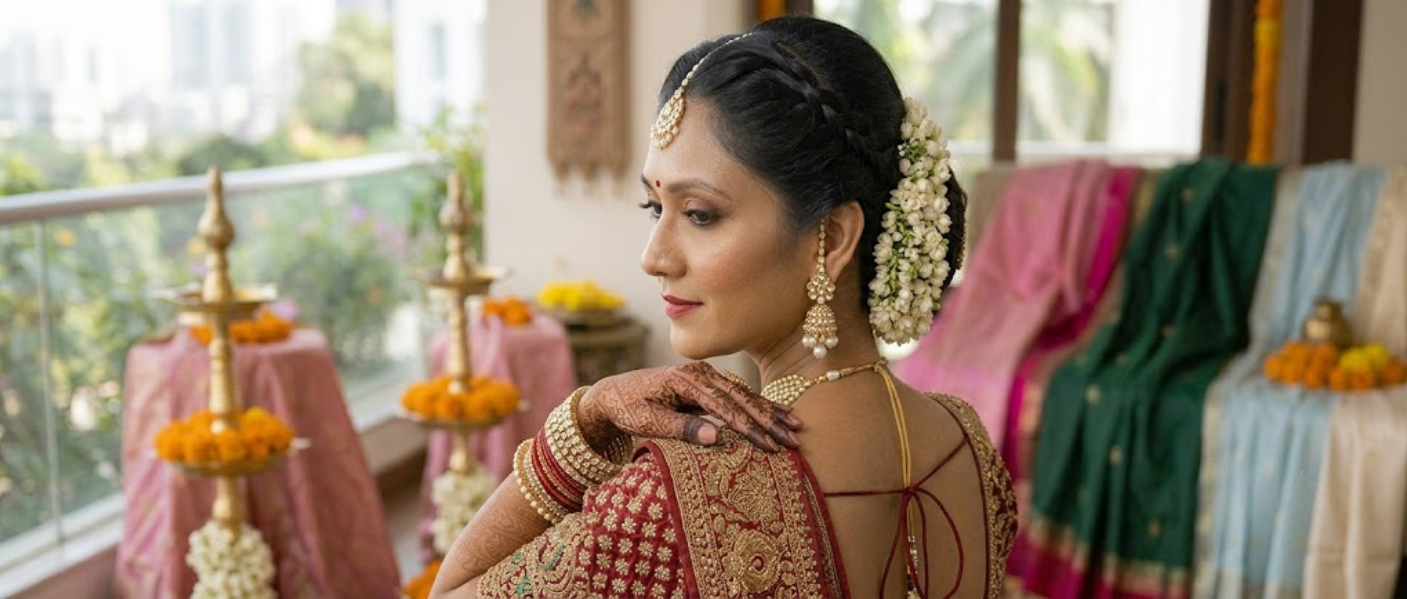
Why Coordinating Bridal Makeup with Your Saree and Jewellery Matters A beautiful bridal look is created through the thoughtful combination of several elements. Your makeup, saree, jewellery, hairstyle, bindi and wedding accessories should complement one another while reflecting your personal style. Even when each item looks beautiful individually, the overall appearance can feel unbalanced if the colours, finishes and levels of detail do not work together. Learning how to Match Bridal Makeup with Jewellery and Saree helps you create a polished appearance that feels intentional rather than overly coordinated. For example, a traditional red saree with gold embroidery may look elegant with warm eyeshadow and classic lipstick, while a pastel lehenga with delicate jewellery may suit softer colours and a fresh complexion. Your makeup does not need to match every accessory exactly. Instead, consider the overall colour palette, the visual weight of the jewellery and the impression you want to create. Heavy traditional jewellery may call for balanced makeup, whereas a simpler outfit can leave more room for dramatic eyes or a statement lip. Lighting, ceremony timing and photography also influence the final result. A makeup combination that looks subtle in natural daylight may appear different under warm indoor lighting or camera flash. Before making your final choices, gather photographs of your outfit, jewellery and hairstyle inspiration. Discuss them with your makeup artist so that every detail contributes to one cohesive bridal appearance. Choose Your Makeup Palette According to Your Saree Colour Your saree provides an excellent starting point for selecting bridal makeup colours. Red, pink, green, purple, blue and pastel outfits each create different styling possibilities, depending on their undertones, embroidery and fabric finish. A red or maroon saree can complement warm brown eyeshadow, subtle gold accents and red or rose-toned lipstick. Pink outfits may pair beautifully with rose, mauve or peach makeup, while deep green sarees can work well with bronze eyeshadow and balanced lip colours. Purple and wine outfits can be styled with rosewood, berry or neutral tones. Pastel outfits often look elegant with softly blended makeup that maintains definition without appearing excessively heavy. Use these combinations as inspiration rather than strict rules: Red and maroon sarees: Consider classic red lips, warm brown eyeshadow and subtle gold accents. Pink sarees: Explore rose, mauve or peach tones that complement the fabric. Green sarees: Try bronze, warm brown and complementary rose or brick-red lipstick. Purple and wine sarees: Consider berry, rosewood or softly defined neutral makeup. Pastel sarees: Choose a fresh complexion, blended eye makeup and a coordinated pink or peach lip. Gold or champagne sarees: Balance warm tones with carefully selected neutral shades and controlled highlighting. The colour of your blouse and the embroidery also matters. A red saree with silver embellishments may need a different approach from a red saree with heavy gold zari. Similarly, a pastel outfit with intricate multicoloured embroidery may offer more options than a plain pastel ensemble. When deciding how to Match Bridal Makeup with Jewellery and Saree, look at the outfit as a complete piece rather than selecting makeup based on its main colour alone. This helps your makeup artist create a palette that works with the fabric, accessories and your complexion. Match Your Bridal Makeup with Gold, Silver and Diamond Jewellery Jewellery can influence the overall mood of your bridal appearance. Traditional gold jewellery often creates a warm, rich look, while silver-toned accessories and diamonds can produce a cooler or more contemporary effect. However, the best makeup combination depends on the complete outfit and your individual preferences. Gold jewellery may pair beautifully with warm brown eyeshadow, bronze accents, peach blush or classic red lipstick. These tones can complement traditional silk sarees and heavily embroidered lehengas. Silver jewellery may work well with neutral browns, taupe, rose and other complementary shades. Diamond jewellery is versatile and can suit both warm and cool makeup palettes. You do not have to match the metallic tone of your jewellery with every makeup product. A bride wearing gold jewellery can still choose pink lipstick, and someone wearing diamonds can look beautiful with warm-toned eye makeup. The aim is to maintain visual balance rather than follow a rigid colour rule. Consider the size and prominence of the jewellery, too. Large earrings, a statement necklace and a prominent forehead ornament already draw attention to the face. In that situation, balanced makeup may create a more refined result than combining every accessory with very dramatic eyes and lips. If your jewellery contains multiple metal tones, choose makeup that connects the overall look. Soft neutral eyeshadow and a complementary lipstick can help create harmony without forcing the colours to match exactly. During your makeup trial, wear your actual jewellery or bring clear photographs of it. This allows your artist to assess how the colours, reflective surfaces and accessory placement work with your makeup in different lighting conditions. Coordinate Your Saree, Blouse and Dupatta with Your Makeup Your saree is usually the central element of a traditional bridal outfit, but the blouse, dupatta and decorative borders can significantly affect the final styling. These details may introduce additional colours, metallic accents or embroidery that should be considered when selecting makeup. For example, a red saree with a gold blouse may suit warm eye makeup, while a red saree with silver embroidery may look beautiful with a different balance of neutral or rose-toned details. A contrasting blouse can also introduce a colour that deserves attention when choosing lipstick and blush. When planning the complete outfit, consider these details: Saree fabric: Silk, satin, chiffon and georgette reflect light differently, which can influence how the overall look appears in photographs. Blouse colour: A contrasting blouse may introduce another colour that should complement the makeup palette. Embroidery: Gold, silver or multicoloured work can help guide your choice of eyeshadow and accessories. Dupatta styling: A heavily embellished dupatta near the face may call for balanced eye and lip makeup. Border details: Intricate borders can add visual richness, making a coordinated rather than overly dramatic makeup look effective.
Bridal Makeup for Brides Wearing Red, Pink, Green and Pastel Wedding Outfits
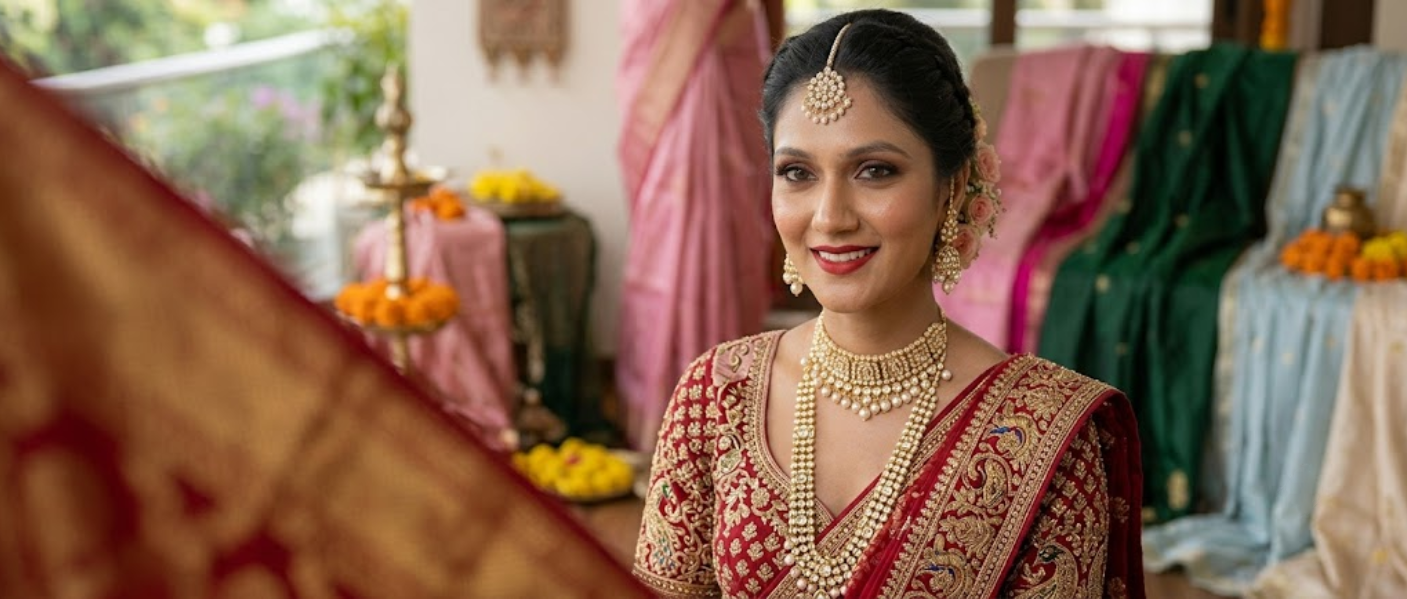
Why Your Wedding Outfit Colour Matters for Bridal Makeup Your wedding outfit is one of the most important elements of your bridal appearance. Whether you choose a traditional red lehenga, a romantic pink outfit, an elegant green saree or a contemporary pastel ensemble, its colour can influence how your makeup looks in person and in photographs. Choosing Bridal Makeup for Different Wedding Outfits is not simply about matching eyeshadow or lipstick to your clothes. The goal is to create a balanced appearance in which your complexion, makeup, jewellery, hairstyle and outfit complement one another. For example, a traditional red bridal outfit may look beautiful with classic red lipstick and softly defined eyes. A pink lehenga can work well with rose-toned makeup, while a green saree may complement warm bronze eyeshadow and a balanced lip colour. Pastel outfits often suit fresh, luminous makeup with carefully blended details. These are starting points rather than strict rules. Your skin undertone, personal style, wedding ceremony, jewellery and venue lighting all influence the final result. Two brides wearing the same outfit colour may look best with completely different makeup styles. Before finalising your bridal look, share photographs of your outfit and accessories with your makeup artist. This makes it easier to select complementary colours and decide how dramatic or natural the makeup should be. The best bridal makeup does not compete with your wedding outfit. It enhances your features, supports your personal style and helps you feel confident throughout your celebration. Bridal Makeup Ideas for Traditional Red Wedding Outfits Red remains a popular colour for Indian bridal wear because it carries strong traditional associations and creates a striking appearance in wedding photographs. Red lehengas, sarees and bridal gowns may feature gold embroidery, intricate embellishments, velvet details or contrasting dupattas. The right makeup for a red wedding outfit should complement its richness while allowing your natural features to remain visible. Classic red lipstick is a timeless option, but rose, brick-red and other complementary shades can also create beautiful results. For eye makeup, softly blended brown, bronze and gold tones can work well with many red outfits. Brides who prefer a more glamorous finish may choose deeper eyeshadow, more defined eyeliner and fuller lashes. For daytime ceremonies, a softer eye look can create an elegant balance with a richly coloured outfit. Consider these styling ideas when planning your red bridal look: Classic traditional look: Pair a red outfit with complementary red lipstick, defined eyes and softly sculpted cheeks. Gold-inspired makeup: Use muted gold or champagne accents to complement gold embroidery and jewellery. Soft romantic look: Choose warm rose blush, blended brown eyeshadow and a comfortable satin-finish lipstick. Glamorous evening look: Add more eye definition and carefully placed highlights while keeping the overall makeup balanced. Minimal red bridal look: Keep the base natural and focus on one feature, such as the lips or eyes. Photography-friendly finish: Check the makeup under the venue’s lighting to ensure the complexion looks consistent in photographs. Red outfits can already make a strong visual statement, so every makeup feature does not need to be equally dramatic. If you wear heavy jewellery and a detailed dupatta, a more balanced makeup look may feel elegant and timeless. During your bridal trial, test the complete look with your outfit or a photograph taken in natural light. This helps you choose shades that complement the actual red fabric rather than relying on colour names alone. Romantic Bridal Makeup for Pink Wedding Outfits Pink wedding outfits offer a wide range of styling possibilities, from soft blush and dusty rose to vibrant fuchsia and deep magenta. The shade of pink, the fabric and the embroidery can all influence the most suitable makeup palette. A pale pink lehenga may look beautiful with fresh skin, softly defined eyes and a rose-toned lip colour. A deeper pink outfit can support more intense eye makeup or a stronger lipstick shade, depending on the bride’s preferences. The important consideration is whether the makeup creates enough definition without clashing with the outfit. Matching every product exactly to the fabric can sometimes make the overall look feel flat. Slightly contrasting shades often create a more refined appearance. For brides considering pink wedding wear, these options can help: Blush-pink outfit: Try soft rose blush, champagne eyeshadow and a natural pink lipstick. Dusty-rose outfit: Consider muted mauve, rosewood or soft berry lip colours. Hot-pink outfit: Balance the stronger outfit colour with defined eyes and a complementary lip shade. Pink and gold outfit: Warm neutral eyeshadow can complement gold embellishments without overwhelming the pink. Pink and silver outfit: Explore neutral, taupe or softly cool-toned makeup, depending on your skin undertone. Romantic bridal finish: Use a softly luminous complexion and blended colour rather than harsh lines. Pink outfits can suit both traditional and contemporary bridal styling. A bride wearing a traditional silk saree may prefer defined eyes and classic jewellery, while someone wearing a modern pink lehenga may choose softer makeup with a fresh, luminous finish. Your lipstick does not have to be the same shade as your outfit. A complementary colour that suits your complexion can create a more balanced result. Test your preferred shades alongside your jewellery before making the final decision. Elegant Bridal Makeup for Green Wedding Outfits Green bridal outfits can range from emerald and bottle green to olive, mint and traditional parrot green. These colours offer different styling opportunities, especially when paired with gold jewellery, contrasting blouses or richly embroidered fabrics. For a deep green outfit, warm bronze and brown eyeshadow can provide an elegant contrast. Gold accents may complement traditional zari work, while brick-red, rose or classic red lipstick can add definition to the face. A green outfit does not automatically require green eyeshadow; neutral tones often create a more harmonious appearance. Lighter green outfits may work beautifully with softer makeup. Mint or sage fabrics can complement a fresh complexion, subtle eye definition and balanced pink or rose lipstick. However, the precise shade should be chosen according to the outfit’s undertone and the
Bridal Makeup for Maharashtrian Brides Wearing a Paithani Saree: Complete Style Guide
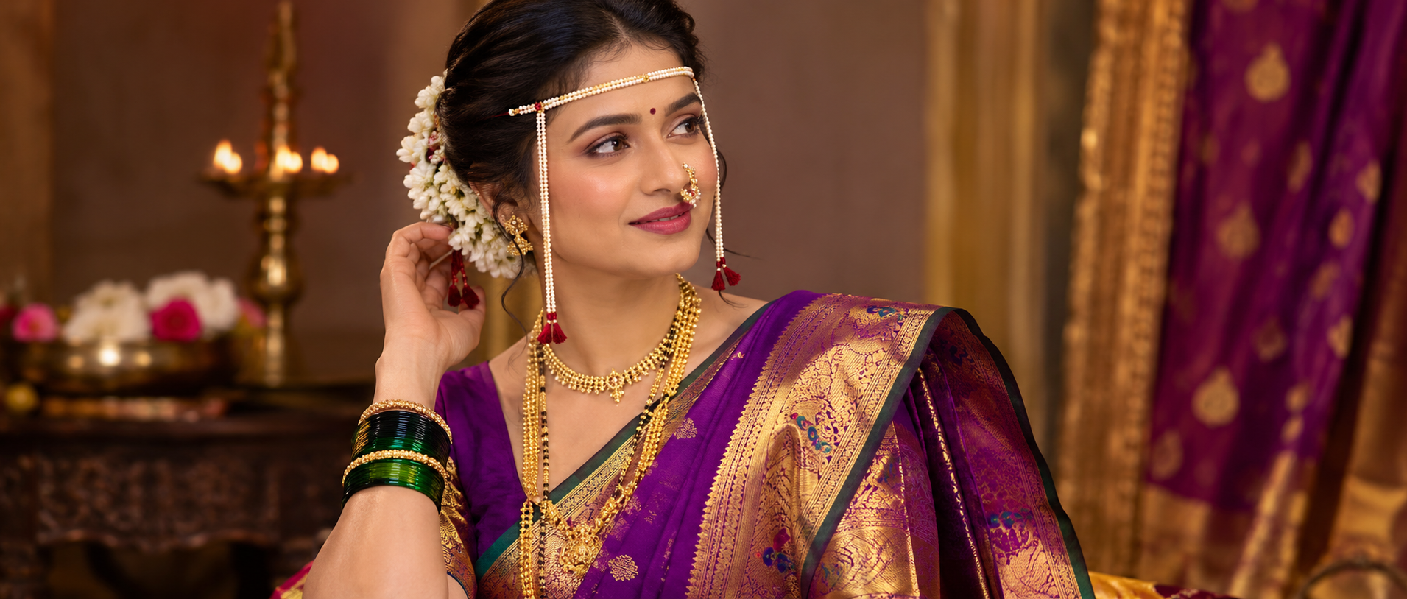
Why Paithani Sarees Deserve Special Bridal Makeup A Paithani saree is much more than a wedding outfit for many Maharashtrian brides. Its luxurious silk fabric, intricate zari work, traditional motifs and vibrant colours represent heritage, celebration and family traditions. Whether a bride chooses a royal purple, peacock green, traditional red, magenta or another rich shade, the saree often becomes the centrepiece of her wedding appearance. Choosing the right Bridal Makeup for Paithani Saree means creating a look that complements this traditional elegance without making the overall appearance feel excessively heavy. The makeup should enhance the bride’s natural features, harmonise with the saree’s colour and work beautifully with traditional jewellery. For example, a richly coloured Paithani saree can look stunning with softly defined eyes, warm blush and a lipstick shade that complements the outfit. Brides who prefer a more dramatic appearance can choose stronger eye makeup, provided the entire look remains balanced. The best bridal look is one that respects Maharashtrian traditions while reflecting the bride’s individual personality. Some brides prefer a classic, deeply traditional appearance, while others want a modern finish with traditional accessories. Both approaches can work beautifully when the makeup, hairstyle, jewellery and saree are planned together. Understanding the Colours and Beauty of a Paithani Saree Before comparing artists in Andheri, Dadar or other parts of Mumbai, think about the bridal look you want. Having a clear direction makes it easier to shortlist professionals whose work matches your preferences. Some brides prefer natural makeup with soft colours and a skin-like finish. Others choose glamorous eyes, defined features, bold lipstick or a traditional bridal appearance. Neither approach is universally better; the best choice depends on your personality, outfit, ceremony and comfort. Consider the lighting and timing of your wedding as well. A daytime ceremony may inspire a different makeup intensity from an evening reception. Similarly, a heavily embellished bridal outfit may influence your choices for eyes, lips, hairstyle and jewellery. You do not need to decide every detail before contacting a makeup artist. Collecting a few reference images can help communicate your preferences, while remaining open to professional advice based on your features and skin. When evaluating a Bridal Makeup Artist in Dadar, Andheri or elsewhere in Mumbai, look for versatility and consistency. The portfolio should demonstrate the artist’s actual work across different faces, skin tones and bridal styles. 3. What to Check in a Bridal Makeup Artist’s Portfolio The foundation of a beautiful Maharashtrian bridal appearance is skin that looks even, comfortable and natural. Paithani sarees and traditional gold jewellery can create a rich visual effect, so the makeup base should complement these details rather than compete with them. For a traditional wedding, many brides prefer a radiant, softly perfected finish. Others prefer a more matte appearance, especially if they are concerned about shine during a long ceremony. The right choice depends on the bride’s skin, the weather, the venue and the photography requirements. When planning your base makeup, consider these important points: Skin preparation: Begin with gentle cleansing and suitable moisturising to help makeup sit comfortably on the skin. Foundation matching: Choose a foundation that matches the face, neck and visible chest area rather than selecting a shade that is noticeably lighter. Concealer placement: Use concealer where coverage is needed instead of applying excessive product across the entire face. Natural dimension: Blush, bronzer and subtle highlighting can add dimension without making the skin look overly reflective. Long-wear performance: Choose suitable products and setting techniques to help the makeup remain presentable throughout the ceremony. Photography testing: Check the makeup under lighting similar to the wedding venue, especially if professional photography and video are planned. Brides should also communicate any skin sensitivities or product preferences before the wedding. A professional makeup artist can adjust product selection and application techniques to suit individual needs. The objective is not to hide the bride’s natural features. It is to create a comfortable, polished finish that allows her Paithani saree, jewellery and personality to stand out together. Eye Makeup Ideas That Complement Traditional Maharashtrian Bridal Wear Eye makeup can bring focus to a bride’s face while complementing the intricate design of a Paithani saree. The ideal style depends on the ceremony, the bride’s eye shape, her preferred level of glamour and the weight of her jewellery. A soft gold and brown combination is a versatile choice for brides who want traditional elegance. Champagne or muted gold eyeshadow can complement zari work, while brown eyeliner and carefully blended shadow add definition without overwhelming the eyes. Brides who prefer a dramatic wedding look may choose deeper brown or bronze shades, a more defined eyeliner and fuller lashes. This approach can work especially well for evening ceremonies and formal wedding photography. For daytime weddings, softer colours and carefully blended definition may feel more natural. The key is to maintain balance. If the bride wears a prominent nath, statement earrings, a heavy necklace and a traditional headpiece, very intense eye makeup may make the overall look feel crowded. Conversely, a simpler jewellery arrangement may allow a stronger eye look to become a focal point. Eye makeup should also be considered alongside the bride’s glasses, contact lenses or sensitivity to eye products, where relevant. If false lashes are planned, the artist should check that they feel comfortable before the wedding day. A bridal makeup trial is an excellent opportunity to compare different eye styles. Take photographs in natural light and under artificial lighting to see how the makeup appears from different angles. Selecting the Perfect Lipstick Shade for Your Paithani Saree Lipstick can transform the overall impression of a bridal look. For a bride wearing a Paithani saree, the best shade should coordinate with the outfit and jewellery while complementing her natural complexion. Classic red lipstick remains a popular choice for traditional Maharashtrian bridal styling, particularly with red, maroon and richly coloured sarees. Rose, berry, brick-red and deeper pink shades can also look beautiful, depending on the outfit and the bride’s personal preferences. Use these suggestions as
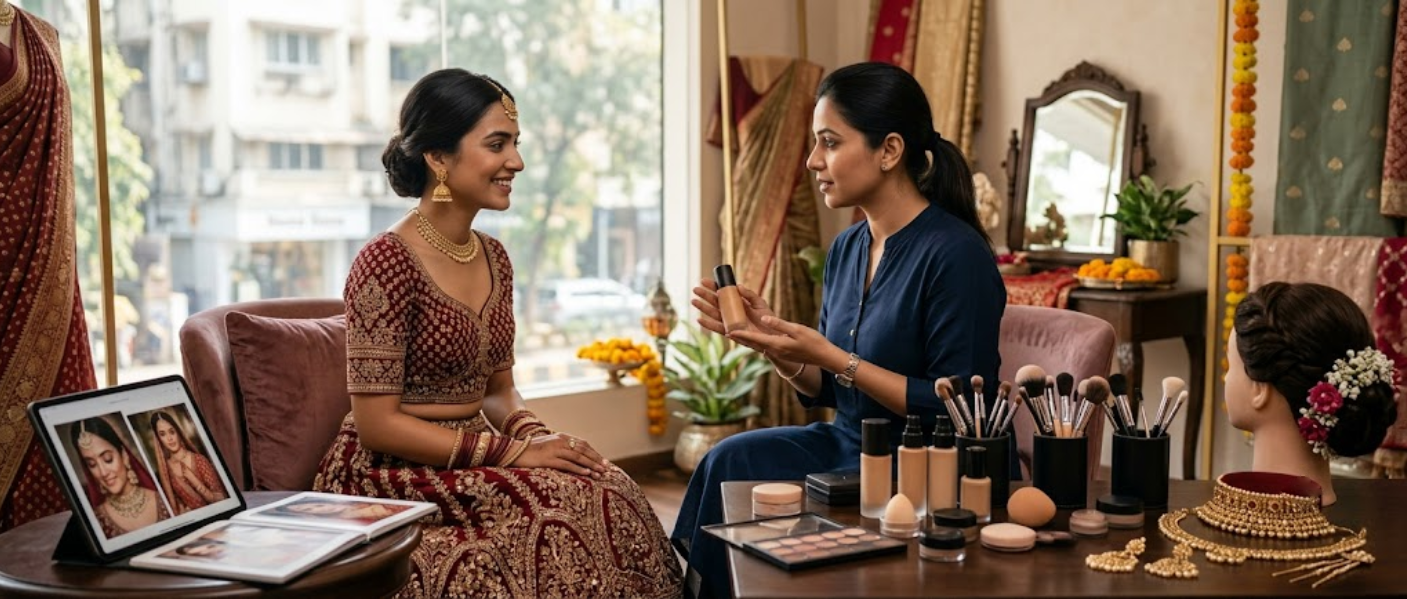
Bridal Makeup Artist Near Andheri & Dadar, Mumbai: How to Choose Your Wedding Makeup
1. Why Choosing the Right Bridal Makeup Artist Matters Your wedding day is one of the most photographed occasions of your life. From the first bridal portraits to the ceremony, family photographs and reception, your makeup contributes to how you feel and how you appear in photographs. Choosing the right professional is therefore an important part of wedding planning. If you are searching for a Bridal Makeup Artist Near Andheri, you may find professionals offering different makeup techniques, packages, hairstyles and bridal services. Brides searching around Dadar may have similar choices, particularly when they want a look that complements traditional Maharashtrian, Gujarati, South Indian or contemporary bridal styling. The right makeup artist should understand your preferences rather than simply recreate a popular look. Your skin type, outfit, jewellery, wedding venue, ceremony timing and personal comfort all influence the final result. It is also important to consider communication and reliability. A professional who discusses your requirements clearly, explains the preparation process and confirms the wedding-day schedule can help make the experience more organized. Before booking, take time to review portfolios, understand the services included, discuss your preferred style and ask about a makeup trial. These steps can help you make a decision based on suitability rather than price or social media popularity alone. 2. Understand Your Bridal Makeup Style Before Searching Before comparing artists in Andheri, Dadar or other parts of Mumbai, think about the bridal look you want. Having a clear direction makes it easier to shortlist professionals whose work matches your preferences. Some brides prefer natural makeup with soft colours and a skin-like finish. Others choose glamorous eyes, defined features, bold lipstick or a traditional bridal appearance. Neither approach is universally better; the best choice depends on your personality, outfit, ceremony and comfort. Consider the lighting and timing of your wedding as well. A daytime ceremony may inspire a different makeup intensity from an evening reception. Similarly, a heavily embellished bridal outfit may influence your choices for eyes, lips, hairstyle and jewellery. You do not need to decide every detail before contacting a makeup artist. Collecting a few reference images can help communicate your preferences, while remaining open to professional advice based on your features and skin. When evaluating a Bridal Makeup Artist in Dadar, Andheri or elsewhere in Mumbai, look for versatility and consistency. The portfolio should demonstrate the artist’s actual work across different faces, skin tones and bridal styles. 3. What to Check in a Bridal Makeup Artist’s Portfolio A portfolio provides a useful starting point when comparing bridal makeup professionals. However, it is important to look beyond the most attractive photograph and understand whether the artist’s work suits your needs. Skin finish: Look for a complexion that appears well blended and appropriate for the bride’s skin. Makeish: Look for a complexion that appears well blended and appropriate for the bride’s skin. Makeuup consistency: Review multiple brides instead of judging the artist from a single image. Different skin tones: Check whether the artist demonstrates experience with a range of Indian complexions. Eye makeup: Assess blending, symmetry and how the eye look complements the overall face. Bridal hairstyles: Review whether the artist’s hairstyling work suits your preferred bridal appearance. Real wedding photographs: Where possible, look for images from actual weddings and varied lighting conditions. Ask whether the portfolio images represent the artist’s own work. Social media inspiration can be useful, but it should not replace an assessment of the professional’s demonstrated skills. If you are looking for a Bridal Makeup Artist Near Andheri, compare portfolios using the same criteria you would use for an artist in Dadar. This helps you focus on quality and suitability rather than location alone. 4. Compare Bridal Makeup Techniques Before Booking Different makeup techniques can create different finishes, but the technique alone does not determine the final result. Product selection, preparation, application, skin type and the artist’s skill are equally important. Traditional makeup application allows the artist to build and blend products according to the desired finish. HD makeup generally focuses on refined blending and a natural-looking finish that works well for photography. Airbrush makeup uses an airbrush tool to apply a fine mist of product and may suit certain preferences and skin conditions. No technique is automatically ideal for every bride. For example, a bride with dry skin may need careful skin preparation regardless of the application method. Someone with oily skin may benefit from a suitable base, controlled powder application and an appropriate touch-up plan. Ask the artist to explain the differences in plain language. Discuss your skin type, preferred coverage, expected wear time and the conditions in which the makeup will be photographed. When comparing HD Bridal Makeup in Mumbai with airbrush or traditional application, consider the final appearance and your personal comfort rather than selecting a technique simply because it is popular. 5. Why a Bridal Makeup Trial Is Worth Considering A bridal makeup trial gives you an opportunity to discuss your preferences and assess how the proposed look works on your face. It can help identify changes that should be made before the wedding day. During the trial, the makeup artist can evaluate the foundation shade, coverage, eye makeup, blush, lipstick and overall finish. If hairstyling is included, you may also discuss the hairstyle, hair accessories, veil or dupatta placement. A trial is especially helpful if you are uncertain between two styles, such as natural and glamorous makeup. It provides a practical basis for discussion instead of relying entirely on inspiration images. Ask the artist how the trial is priced, how long it takes and whether the fee is adjusted against the final booking. Confirm which services are included because trial arrangements differ between professionals. For brides comparing a Bridal Makeup Artist Near Andheri with one in Dadar, the trial can also help evaluate communication, punctuality and whether the artist understands your preferences. 6. Questions to Ask Before Confirming Your Makeup Booking Before paying a booking amount, make sure you understand the services, schedule and terms. A