
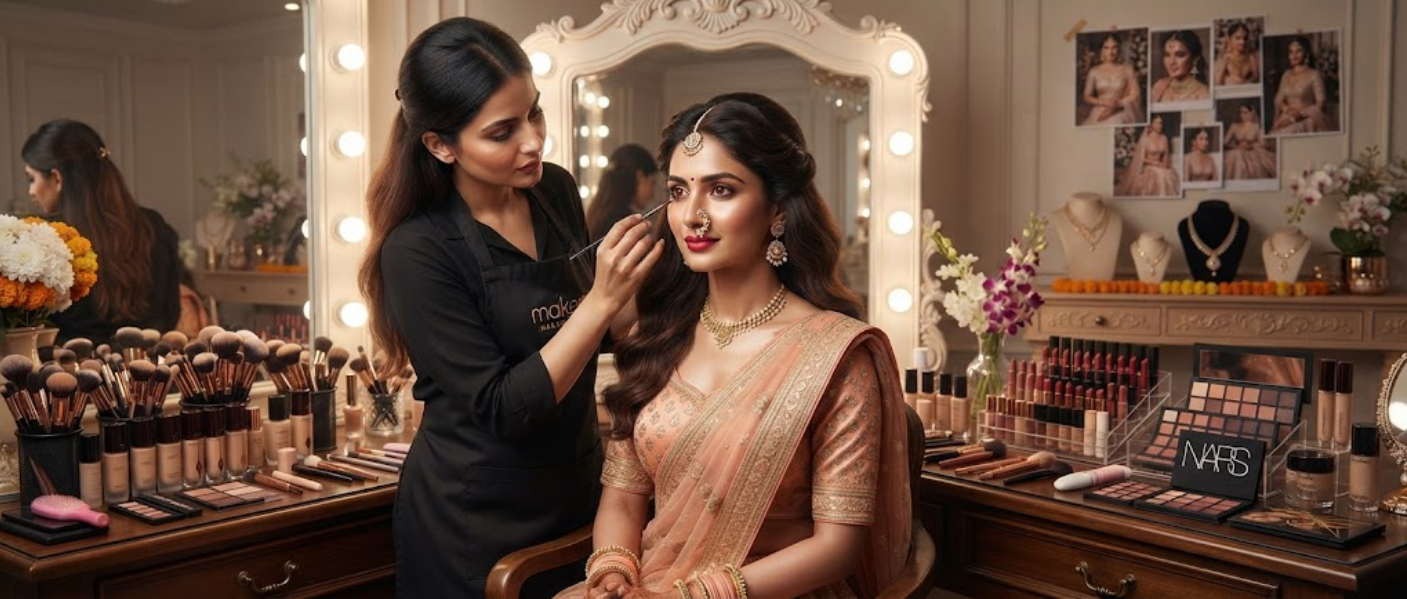
Your wedding day is not the ideal time to discover that your foundation shade doesn’t match your neck, your lipstick feels uncomfortable, your false lashes are too dramatic, or your hairstyle doesn’t work with your outfit. This is exactly why a bridal makeup trial can be one of the most valuable steps in your wedding beauty preparation. A bridal makeup trial gives you and your makeup artist an opportunity to plan your look before the actual wedding day. It allows you to discuss your preferences, test different makeup styles, evaluate your complexion, experiment with eye makeup and lipstick, and understand how the complete look works with your outfit and jewellery. For Indian brides, this can be particularly important because bridal styling often involves detailed jewellery, sarees or lehengas, traditional accessories, hairstyles and different wedding functions. A Maharashtrian bride, for example, may need to coordinate her makeup with a nath, mundavalya, chandrakor, traditional gold jewellery and a Paithani or Nauvari saree. A trial is also useful for photography. Makeup can appear different under natural daylight, indoor lighting and camera flash. Testing the finished look beforehand gives you a better idea of how your complexion, blush, eyes and lipstick will appear in photographs. The trial isn’t simply about deciding whether you like a makeup artist’s work. It is about creating a clear beauty plan for your wedding day. In this guide, we’ll explain what happens during a bridal makeup trial, when to book one, what to bring, what questions to ask, how to prepare your skin, what to photograph and how to decide whether the final bridal look is right for you. 1. What Is a Bridal Makeup Trial? A bridal makeup trial is a scheduled appointment with your makeup artist before the wedding. During the appointment, the artist typically discusses your preferred bridal style and creates a version of the planned makeup look. The trial may include: Skin preparation Foundation and complexion matching Concealer Contouring Blush Highlighter Eye makeup Eyeliner False lashes Eyebrow styling Lip liner Depending on your package and makeup artist, the trial may also include hairstyle testing. The goal is to determine what works before the wedding day. A good trial should feel like a collaborative process rather than simply having makeup applied without discussion. 2. Why Is a Bridal Makeup Trial Important? A makeup trial reduces uncertainty. Instead of imagining how your wedding makeup might look, you can actually see it on your face. It can help you determine: Whether the foundation matches Whether the eye makeup suits your eye shape Whether the lipstick complements your complexion Whether the makeup feels comfortable Whether the overall look matches your personality Whether the makeup photographs well It also gives your artist valuable information about your skin. They can understand how products behave on your complexion and make adjustments before the wedding. For brides who are unsure between natural, soft-glam or dramatic makeup, a trial can make the decision much easier. 3. When Should You Schedule Your Bridal Makeup Trial? Ideally, schedule your trial several weeks before your wedding, rather than immediately before it. This gives you enough time to make changes. If you need to modify: Lipstick colour Foundation finish Eye makeup Eyelashes Contouring Hairstyle Hair accessories you still have time. If you’re getting married during a busy wedding season, book your makeup artist early and ask about their preferred trial schedule. Your exact timing can depend on your wedding date, makeup artist’s availability and whether you need one or multiple trials. 4. Decide What Bridal Look You Want Before the Trial You don’t need to know every detail before your appointment. However, having some inspiration can make the consultation easier. Collect examples of: Eye makeup Lip colours Complexion finishes Hairstyles Bridal outfits Jewellery Traditional makeup You can save photographs from bridal magazines, social media or makeup portfolios. But remember that inspiration photographs should be treated as references rather than exact instructions. Your skin tone, facial features and eye shape may differ from the model in the photograph. 5. Bring Your Wedding Outfit Information Your makeup should complement your outfit. You don’t necessarily need to bring the actual wedding outfit to the trial, but photographs, fabric samples or detailed descriptions can help. Share: Saree or lehenga colour Embroidery Dupatta colour Blouse design Jewellery Wedding theme For example, makeup for a red Paithani saree may be very different from makeup designed for a pastel reception lehenga. Your makeup artist can use these details to create a more coordinated look. 6. Bring Your Jewellery and Accessories Jewellery can change the balance of your bridal appearance. If possible, bring photographs or samples of your: Necklace Earrings Nath Maang tikka Mundavalya This is especially useful for traditional bridal styling. For Maharashtrian brides, accessories such as the nath, mundavalya and chandrakor can strongly influence how the makeup looks around the face. Your makeup should complement your jewellery—not compete with it. 7. Prepare Your Skin Before the Trial You don’t need to completely change your skincare routine before a makeup trial. In fact, avoid experimenting with new strong skincare products immediately before the appointment. Instead: Keep your skin clean Stay consistent with your normal routine Hydrate appropriately Avoid unnecessary irritation Arrive with a clean face unless your artist advises otherwise Your makeup artist needs to see how your skin behaves naturally. If you have very dry, oily or combination skin, mention it during the consultation. This can help the artist select an appropriate makeup preparation routine. 8. Discuss Your Skin Type and Makeup Preferences Tell your makeup artist honestly about your skin and preferences. Discuss whether you prefer: Natural makeup Soft glam Full glam Matte finish Satin finish Luminous finish Light coverage Also mention whether you normally wear makeup. If you’re not accustomed to heavy makeup, communicate that clearly. The goal is to create a bridal look that makes you feel beautiful without making you feel uncomfortable. 9. Test Your Foundation Properly Foundation is one of the most important parts of bridal makeup. The
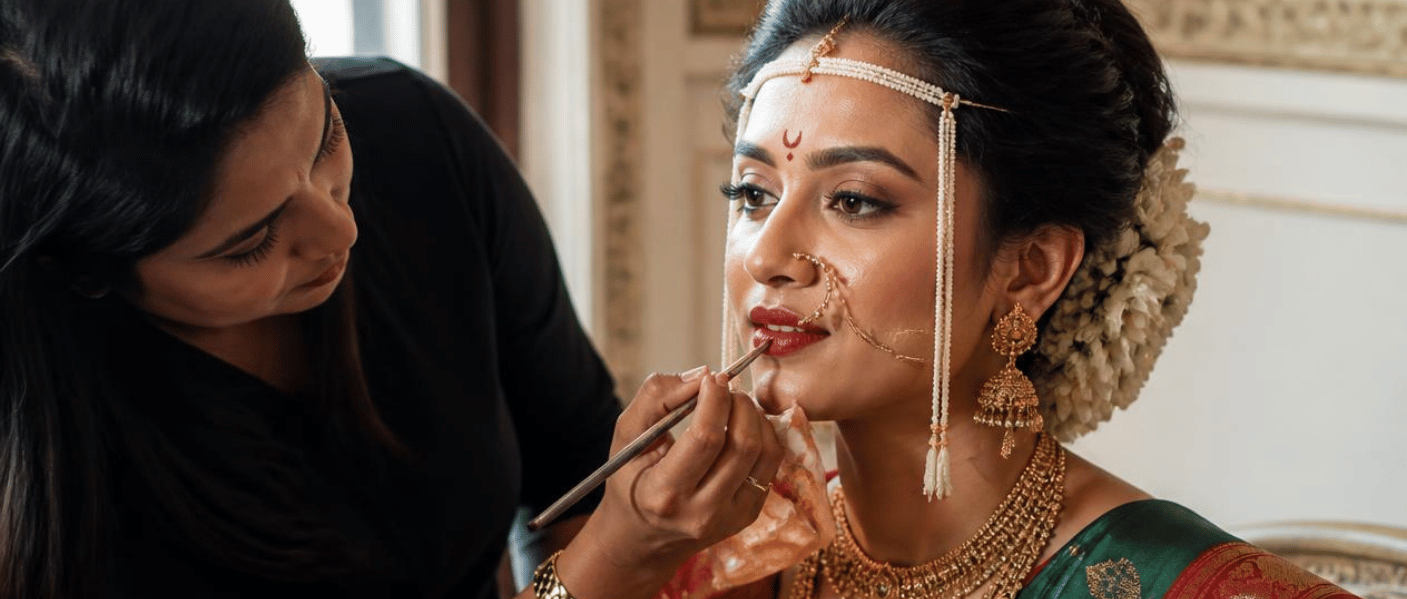
Bridal Makeup Summer Wedding Mumbai
Summer weddings in Mumbai can be vibrant, colourful and full of energy, but the city’s heat and humidity can make bridal beauty more challenging. A bride may spend several hours getting ready, travelling between venues, participating in wedding rituals, posing for photographs and greeting guests—all while wearing multiple layers of clothing and jewellery. Under these conditions, bridal makeup needs to be carefully planned. Heat can increase perspiration and facial shine, while humidity may affect the way foundation, concealer, eyeliner and lipstick wear throughout the day. Heavy makeup can also feel uncomfortable when temperatures rise. Hair can become frizzy, and even a beautifully styled bridal look may require a few strategic touch-ups. For Mumbai brides, choosing the right makeup approach is therefore about more than selecting a beautiful shade of lipstick or foundation. Your makeup artist should consider your skin type, wedding venue, ceremony timing, photography schedule and how much time you will spend outdoors. A summer wedding also doesn’t mean that you have to choose an extremely matte or heavy makeup look. Modern bridal makeup can create a fresh, polished complexion while still allowing the skin to look natural. Whether you’re planning a traditional Maharashtrian wedding with a Paithani or Nauvari saree, a glamorous reception, an intimate daytime ceremony or a modern destination-style celebration, the makeup should complement your complete bridal styling. The key is preparation. Consistent skincare, appropriate hydration, a suitable primer, controlled foundation application, strategic powder, waterproof eye makeup and a practical touch-up plan can make a significant difference. This guide shares practical summer bridal makeup tips for Mumbai brides who want their makeup to remain fresh, comfortable and photography-ready throughout their wedding day. 1. Understand Mumbai Summer Weather Before Choosing Your Makeup Mumbai summers can be warm and humid. Your wedding environment can make the conditions even more challenging. A daytime outdoor ceremony may expose you to direct sunlight, while an indoor venue may have strong air conditioning. Your makeup artist should know exactly where and when your wedding will take place. Consider: Outdoor or indoor ceremony Morning or evening wedding Travel between venues Outdoor photography Length of the event Air-conditioned spaces These details can influence your makeup preparation and product selection. 2. Start With a Consistent Skincare Routine Good bridal makeup starts with suitable skin preparation. In the weeks before your wedding, keep your skincare routine simple and consistent. A basic routine may include: Gentle cleanser Suitable moisturiser Sunscreen Lip care Choose products according to your skin type. Avoid experimenting with several new products immediately before the wedding. If your skin becomes irritated or you experience persistent breakouts, seek advice from a qualified dermatologist rather than trying aggressive treatments close to the wedding. Healthy, comfortable skin provides a better starting point for makeup. 3. Don’t Skip Moisturiser Because of the Heat Many brides assume that moisturiser should be avoided during summer because the skin already feels sweaty. That’s not necessarily true. Your skin still needs appropriate hydration. For oily or combination skin, a lightweight moisturiser may feel more comfortable. Dry skin may require richer hydration. The important thing is to use a product suitable for your skin and allow it to settle before makeup application. Your makeup artist can also adjust the amount of skincare used immediately before applying makeup. 4. Choose a Primer According to Your Skin Type Primer can help prepare your skin for foundation. However, there is no single primer that works perfectly for every bride. For oily skin, an appropriate oil-control or blurring primer may help manage shine in selected areas. For dry skin, a hydrating or smoothing primer may be more suitable. Combination skin may benefit from targeted application. Your makeup artist should also consider how the primer works with the foundation. Using compatible products is important for maintaining a smooth finish. 5. Keep Foundation Lightweight and Build Coverage Summer is generally not the best time to automatically reach for the heaviest possible foundation. A thick layer can feel uncomfortable when you’re warm. Instead, your makeup artist can build coverage gradually. Start with enough foundation to even the complexion. Then add additional coverage only where required. This can help maintain a polished appearance without making the skin feel unnecessarily heavy. Your complexion should also be matched carefully to your face, neck and overall bridal styling. 6. Use Powder Strategically Powder can help manage facial shine, but excessive powder may make summer bridal makeup appear heavy. Focus on areas that actually become oily. These commonly include: Forehead Nose Chin T-zone Your cheeks and high points may not need the same amount of powder. Strategic setting can help maintain a more natural complexion. This is especially important for close-up bridal photography. 7. Prepare for Sweat and Facial Shine Sweating is one of the biggest concerns for summer brides. The solution isn’t necessarily to keep adding powder. If your skin becomes shiny, gently blot it. Blotting paper can absorb excess oil without unnecessarily disturbing the makeup. Keep a few sheets with your trusted bridesmaid or family member. Avoid rubbing your face with a tissue or handkerchief. Gentle dabbing is much better. 8. Choose Waterproof Eye Makeup Summer heat and perspiration can affect eye makeup. Your wedding may also involve emotional moments. For this reason, waterproof or water-resistant eye products can be useful. Discuss: Waterproof mascara Waterproof eyeliner Long-wear kajal Eye primer Secure false lashes during your bridal makeup consultation. If you have sensitive eyes or wear contact lenses, tell your makeup artist before the trial. 9. Choose a Comfortable Summer Lip Colour Lipstick needs to survive talking, eating, drinking and photographs. A comfortable long-wear formula can be useful for a long wedding. Your makeup artist may use: Lip preparation Lip liner Lipstick Gentle blotting Additional layer where appropriate Don’t forget to keep the final lipstick with your touch-up kit. For Maharashtrian bridal styling, colours such as classic red, rose, berry, terracotta and deeper pink can complement traditional jewellery and Paithani colours beautifully. 10. Protect Your Skin From Direct Sun Exposure Summer weddings may
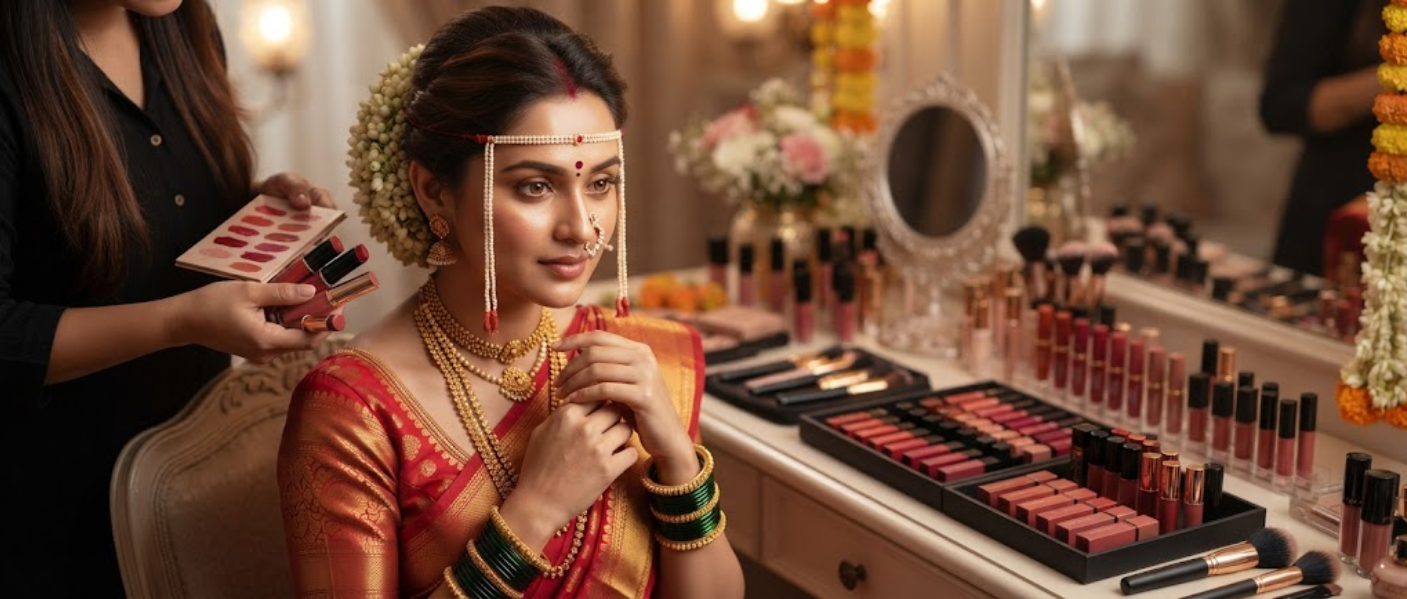
How to Choose the Perfect Bridal Lipstick Shade for Your Wedding Look
Choosing the right bridal lipstick shade may seem like a small part of your wedding makeup, but it can make a significant difference to your overall bridal appearance. Lip colour helps bring together your complexion, eye makeup, blush, hairstyle, jewellery and wedding outfit. The right shade can brighten your face, enhance your features and make your bridal photographs look beautifully balanced. Indian brides have an incredible range of lipstick colours to choose from. Classic reds remain timeless, while rose, pink, mauve, berry, terracotta, nude, brown and plum shades can create equally beautiful bridal looks. For a traditional Maharashtrian bride, a rich red or rose lip can complement a Paithani or Nauvari saree, traditional nath, mundavalya and gold jewellery. For an engagement or reception, softer nude-rose, mauve or berry shades may create a more contemporary appearance. However, choosing a lipstick simply because you like the colour isn’t always enough. Your skin tone, undertone, outfit colour, jewellery, eye makeup and the event’s lighting can all influence how a shade looks. Texture also matters. Matte lipstick may offer impressive longevity, while creamy or satin formulas can feel more comfortable on dry lips. Lip liner can improve definition and help create a cleaner finish, while a carefully applied gloss can add dimension for selected looks. Photography is another important consideration. Your lipstick needs to look good both in person and through a camera lens. Very pale shades can sometimes make the complexion look washed out, while extremely dark shades can dominate the face if the rest of the makeup isn’t balanced. Most importantly, your bridal lipstick should make you feel confident. You don’t have to choose a traditional red simply because you’re a bride. You can select a colour that reflects your personality while still complementing your wedding styling. This guide explains how to choose the perfect bridal lipstick shade based on your skin tone, undertone, outfit, jewellery, makeup style, wedding function and photography requirements. 1. Start With Your Skin Tone Your skin tone is one of the first things to consider when selecting bridal lipstick. Indian complexions range from very fair to deep, with many beautiful shades in between. Instead of following rigid lipstick rules, use them as general guidance. Fair to Light Skin Soft pink, rose, peach, coral, classic red and mauve can work beautifully. Medium to Wheatish Skin Rose, terracotta, warm red, brick, mauve and berry shades can be flattering. Dusky to Deep Skin Wine, berry, deep rose, brick red, plum, brown-red and rich nude shades can create beautiful definition. However, your undertone is equally important. 2. Understand Your Skin Undertone Your undertone is the subtle colour beneath your skin’s surface. It is commonly described as: Warm Cool Neutral Some people may also have olive undertones. Warm Undertones Warm reds, terracotta, coral, peach and brick shades may complement the complexion. Cool Undertones Blue-based reds, berry, mauve and pink shades can work beautifully. Neutral Undertones Both warm and cool shades may work, giving you more flexibility. You don’t need to follow these categories rigidly. The best approach is to test the colour on yourself. 3. Classic Red Lipstick for Traditional Brides Red remains one of the most iconic bridal lipstick colours. It can work beautifully with traditional Indian wedding outfits. Red lipstick can be paired with: Red sarees Paithani sarees Banarasi sarees Gold lehengas Deep green outfits For a Maharashtrian bride, a classic red lip can beautifully complement the traditional nath, chandrakor, mundavalya and gold jewellery. Choose the intensity based on your overall makeup. 4. Rose and Pink Lipstick for a Soft Bridal Look If you want something softer than classic red, rose and pink shades can be excellent choices. They work particularly well for: Engagement ceremonies Day weddings Pastel outfits Romantic bridal looks Natural makeup A muted rose can create definition without appearing too dramatic. For a modern bride, a rose-pink lip paired with soft brown eyes and fresh blush can create a sophisticated appearance. 5. Nude Lipstick for Modern Brides Nude lipstick has become increasingly popular for contemporary bridal looks. But nude doesn’t mean choosing a colour that is much lighter than your natural complexion. The ideal nude should complement your skin. Depending on your complexion, you may prefer: Peachy nude Pink nude Caramel nude Brown nude Rose nude Pair nude lips with defined eyes for a balanced glamorous look. 6. Berry and Wine Shades for Evening Weddings Berry and wine lipstick shades can create a dramatic and sophisticated evening bridal appearance. They work particularly well for: Winter weddings Evening receptions Dark-coloured outfits Glamorous bridal makeup If your lips are the main focus, keep the eye makeup balanced. A deep lip with soft bronze eyes can look particularly elegant. For a dramatic bridal lip, keep the rest of the makeup refined enough to let the lipstick remain the focal point. 7. Terracotta and Brick Shades Terracotta and brick lipstick shades can be particularly flattering for warm Indian complexions. They offer a modern alternative to traditional red. These colours work beautifully with: Rust outfits Orange Mustard Brown Gold Deep green They can also pair well with traditional Maharashtrian styling. 8. Match Your Lipstick With Your Wedding Outfit Your lipstick doesn’t need to exactly match your outfit. Instead, think about colour harmony. Red Outfit Classic red, rose or deeper red can work. Pink Outfit Rose, pink, mauve or berry can complement it. Green Outfit Brick, red, rose or warm nude can provide contrast. Gold Outfit Red, rose, terracotta and nude shades can all work. Purple or Lavender Outfit Mauve, berry or cool rose can create a harmonious look. 9. Consider Your Bridal Jewellery Jewellery can influence the overall colour balance of your bridal look. Gold jewellery often pairs beautifully with: Warm reds Terracotta Brick Rose Peachy nude Diamond jewellery can work beautifully with: Pink Rose Mauve Berry Cool red Of course, there are no strict rules. Your personal styling matters more than following a fixed colour chart. 10. Coordinate Lipstick With Your Eye Makeup Your lips and eyes should work together.
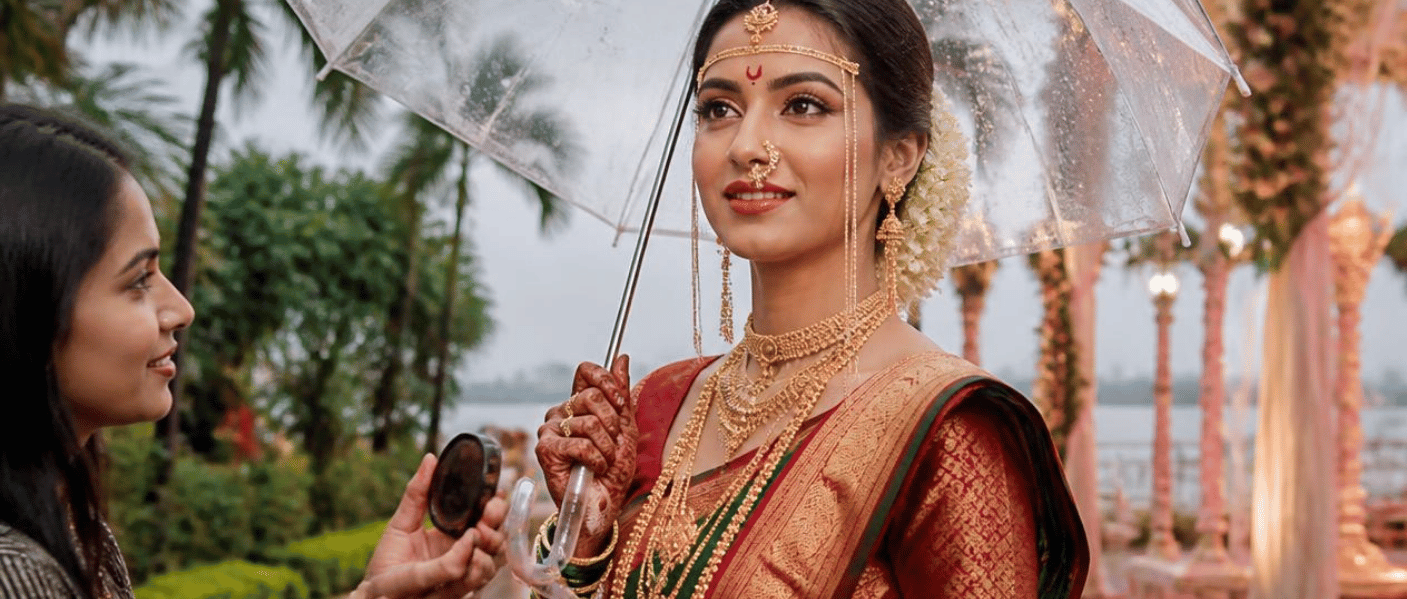
Bridal Makeup Monsoon Wedding Mumbai
Mumbai monsoon weddings have a charm of their own. The sound of rain, cloudy skies, lush surroundings and the romantic atmosphere can create beautiful wedding memories. But while the monsoon may look magical in photographs, it can create a few challenges for bridal makeup. Humidity, sudden rain, perspiration and damp weather can affect the way makeup looks and feels. Foundation may become less comfortable, the T-zone may develop shine, eyeliner can smudge, hair may lose its shape and lipstick may need more frequent touch-ups. For a bride, these challenges can feel stressful—especially when the wedding involves several hours of rituals, photography and celebrations. The good news is that monsoon bridal makeup doesn’t have to mean compromising on your desired look. With the right skin preparation, suitable products, professional application techniques and a practical wedding-day touch-up plan, you can achieve a bridal look that remains polished and photography-ready. Mumbai brides should also consider whether their wedding ceremony is indoors or outdoors. A covered outdoor mandap, hotel ballroom, banquet hall and open lawn can all create different conditions for makeup. Your skin type matters too. Oily skin may require more strategic shine control, while dry skin still needs enough hydration to prevent an uneven finish. For Maharashtrian brides, makeup must also work beautifully with traditional styling such as a Paithani or Nauvari saree, nath, mundavalya, chandrakor, gold jewellery and gajra. This guide covers practical humidity-proof bridal makeup tips for Mumbai monsoon weddings—from pre-wedding skincare and primer selection to waterproof eye makeup, foundation, hair preparation, touch-ups and emergency planning. The objective isn’t to make your makeup completely immune to Mumbai’s weather. Instead, the goal is to create a comfortable, durable bridal look that can handle the realities of a monsoon wedding while allowing you to focus on enjoying your special day. 1. Start Your Monsoon Bridal Preparation Early Monsoon bridal preparation should begin well before the wedding morning. Don’t wait until the final few days to think about how humidity might affect your makeup. Your preparation can include: Understanding your skin type Scheduling a makeup trial Testing your skincare routine Discussing your wedding venue Planning your hairstyle Preparing a touch-up kit Discussing weather concerns with your makeup artist The earlier you plan, the easier it becomes to make adjustments. If you discover during your makeup trial that your T-zone becomes very shiny after a few hours, your artist can modify the preparation and setting technique. If your skin becomes dry indoors because of air conditioning, the makeup approach can be adjusted accordingly. 2. Understand How Humidity Affects Bridal Makeup Humidity can affect different parts of your makeup in different ways. You may notice: Increased facial shine Perspiration Foundation movement Creasing Smudged eye makeup Lipstick fading Hair frizz However, humidity doesn’t automatically mean your makeup will fail. The makeup artist can choose suitable products and techniques based on your wedding environment. The key is to communicate your concerns. Tell your artist if your wedding is during the monsoon and whether you’ll spend time outdoors. 3. Keep Your Skincare Routine Simple Monsoon weather can make brides tempted to constantly change their skincare routine. Avoid this. A simple, consistent routine is often easier to manage. Your basic routine may include: Gentle cleanser Suitable moisturiser Sunscreen during daytime Lip care Choose products according to your skin type. Oily skin still needs hydration. Dry skin should not be deprived of moisture simply because the weather is humid. Avoid introducing several new products immediately before your wedding. If you have persistent acne, irritation or other skin concerns, consult a qualified dermatologist. 4. Choose a Lightweight Moisturiser Humidity doesn’t mean you should skip moisturiser. Your skin still needs appropriate hydration. For brides with oily or combination skin, a lightweight moisturiser may feel more comfortable. Dry skin may need richer hydration. Your makeup artist can also adjust the amount of moisturiser used immediately before makeup. Avoid applying excessive skincare layers just before foundation. Too much product can create a slippery base. 5. Use a Primer Suitable for Humid Weather Primer can be particularly useful when preparing for a humid wedding. The correct product depends on your skin. For oily skin, a suitable oil-control or blurring primer may help in areas that become shiny. For dry skin, a smoothing or hydrating primer may be more appropriate. For combination skin, your makeup artist may use different products on different parts of your face. Don’t assume that applying more primer will automatically make your makeup last longer. 6. Apply Foundation in Controlled Layers Foundation application becomes particularly important in humid conditions. A thick layer can feel uncomfortable when the weather is warm. Instead, your makeup artist can build coverage gradually. Apply enough product to even the complexion and add additional coverage only where necessary. This can help create a polished appearance without unnecessarily heavy layers. The foundation should also match your skin tone and undertone accurately. 7. Choose the Right Finish for Your Skin Your bridal complexion doesn’t have to be completely matte to survive humidity. A balanced finish can look more natural. For oily skin, the artist may control shine in specific areas. For dry skin, maintaining some natural luminosity can prevent the complexion from looking flat. For combination skin, the finish can be adjusted across different areas. The right finish should also complement your bridal photography. 8. Set Oily Areas Strategically Powder can help manage shine. But don’t automatically powder the entire face heavily. Your artist may focus on: Forehead Nose Chin Other areas that become oily Cheeks and high points can retain a more natural finish. This approach can help avoid the overly powdered appearance that may become noticeable in close-up photographs. 9. Waterproof Your Eye Makeup Rain and humidity aren’t the only reasons waterproof eye makeup can be useful. Indian weddings can also be emotional. Tears, humidity and perspiration can all affect eyeliner and mascara. Consider discussing: Waterproof mascara Waterproof eyeliner Long-wear kajal Suitable eye primer Secure false lashes Your makeup artist should test these products during your trial.
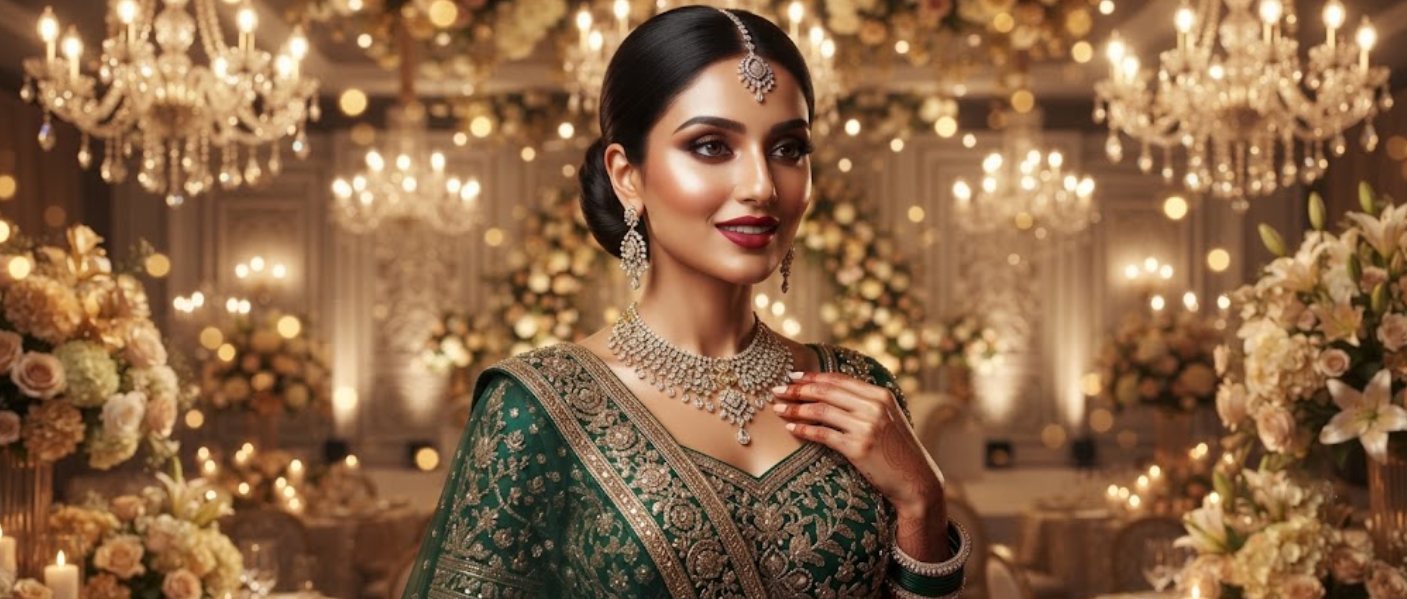
Bridal Makeup for Reception: 10 Glamorous Looks for the Perfect Evening
Your wedding ceremony may be all about tradition, rituals and emotional moments, but the reception gives you an opportunity to express a different side of your bridal style. Whether you are wearing a glamorous saree, elegant lehenga, designer gown or a contemporary Indo-western outfit, your reception makeup can be more sophisticated, polished and dramatic while still reflecting your personality. Reception makeup is also different because evening lighting changes how makeup appears. Warm venue lights, chandeliers, stage lighting, flash photography and professional cameras can all affect your complexion and the intensity of your makeup. A look that appears subtle in daylight may photograph perfectly under reception lighting, while excessive shimmer or poorly blended products can become more noticeable. For many Indian brides, the reception is the perfect occasion to experiment with defined eyes, luminous skin, sculpted cheeks, bold lips, statement lashes or a modern hairstyle. However, glamour doesn’t necessarily mean heavy makeup. A beautifully blended soft-glam look can be just as striking as a dramatic smoky eye. Your reception makeup should also work with your outfit and jewellery. A heavily embroidered lehenga may pair beautifully with refined makeup, while a minimalist gown can provide an opportunity for a stronger eye or lip look. Skin preparation remains important even for evening makeup. A smooth, well-hydrated base allows foundation and concealer to sit more naturally. Long-wear products are also useful because receptions can continue for several hours and involve extensive photography, greetings, dancing and stage appearances. If you are a Maharashtrian bride, you can also create a contemporary reception interpretation of traditional bridal beauty by incorporating elements such as a nath, gold jewellery or traditional-inspired makeup while switching to a glamorous evening outfit. This guide explores 10 glamorous reception makeup looks, how to choose the right complexion, eye and lip combination, how to make makeup photograph beautifully, and how to ensure your reception look remains comfortable and elegant throughout the evening. 1. Classic Red Lip Glam A classic red lip is one of the most timeless choices for an Indian bridal reception. It works particularly well with: Black outfits Red sarees Gold lehengas Deep jewel tones Classic silk sarees Pair a red lip with softly defined eyes, glowing skin and elegant lashes. Avoid making both the eyes and lips extremely dramatic unless you intentionally want a high-glamorous look. 2. Soft Glam Smoky Eyes Smoky eyes can create a sophisticated reception look without appearing overly dramatic. Instead of using only black, consider blending: Brown Bronze Charcoal Deep plum Soft black A softly smoked outer corner adds definition while keeping the centre of the face balanced. Pair the eyes with nude-rose or muted pink lips for an elegant finish. 3. Champagne Glow Makeup If you love luminous makeup, champagne tones can create an elegant evening glow. Use shimmer strategically rather than covering the entire face. Champagne or soft gold can be incorporated into: Inner eye corners Eyelids Cheekbones Brow area where appropriate Keep the base smooth and controlled. This look works beautifully with gold, ivory, champagne and pastel outfits. 4. Bold Berry Lips Berry lips offer a glamorous alternative to traditional red. They can work particularly well during winter receptions or evening celebrations. Depending on your skin tone and outfit, you can explore shades inspired by: Berry Plum Wine Deep rose Keep the eyes relatively refined so that the lips remain the main feature. 5. Golden Maharashtrian Reception Glam A Maharashtrian bride can combine traditional elements with glamorous evening makeup. Consider pairing: Paithani-inspired reception saree Traditional nath Gold jewellery Chandrakor Green bangles Defined eyes Warm gold eyeshadow The result can feel traditional while still being sophisticated enough for an evening reception. For a Maharashtrian reception look, let traditional jewellery provide the cultural statement while keeping the makeup polished and contemporary. 6. Nude Glam Makeup Nude makeup can look extremely sophisticated when executed correctly. The key is choosing a nude shade that complements your complexion. Your makeup can include: Soft brown eyes Defined lashes Neutral blush Sculpted cheekbones Nude-rose lips Subtle highlighter Nude doesn’t have to mean pale. The colour should be customised to your natural skin tone. 7. Pink & Rose Bridal Glam Rose and pink tones create a romantic reception look. This style can include: Rose eyeshadow Soft pink blush Rose lipstick Subtle shimmer Defined lashes It works particularly well with pink, blush, mauve, lavender and pastel outfits. Keep the shades coordinated rather than making every feature exactly the same colour. 8. Dramatic Winged Eyeliner A dramatic wing can instantly make a reception makeup look more glamorous. This works especially well when paired with: Neutral eyeshadow Defined brows Full lashes Soft blush Nude or rose lips The eyeliner should complement your eye shape. A professional makeup artist can customise the angle and length of the wing. 9. Bronzed Evening Glam Bronzed makeup can create warmth and dimension under reception lights. The look may include: Warm bronze eyeshadow Soft contour Golden-brown blush Nude or caramel lips Subtle highlighter It works beautifully with gold, bronze, brown, beige and jewel-toned outfits. Avoid excessive bronzer or contour. The goal is natural dimension rather than changing your facial structure. 10. Modern Minimal Glam Glamour doesn’t always mean dramatic makeup. A modern minimal reception look can feature: Natural satin skin Brushed brows Soft brown eyeliner Light lashes Fresh blush Glossy rose lips This style is ideal for brides who want to look polished while keeping their natural features visible. 11. How to Choose Your Reception Makeup Look Choosing between different glamorous looks can feel overwhelming. Start with your outfit. If your outfit is heavily embellished, a balanced makeup look may work best. If your outfit is relatively simple, you can create more drama through the eyes or lips. Next, consider your jewellery. Statement jewellery may already draw attention to your face. Then think about your personal style. If you normally wear minimal makeup, an extremely dramatic reception transformation may not feel comfortable. If you regularly enjoy glam makeup, the reception can be the perfect opportunity to embrace it. 12.
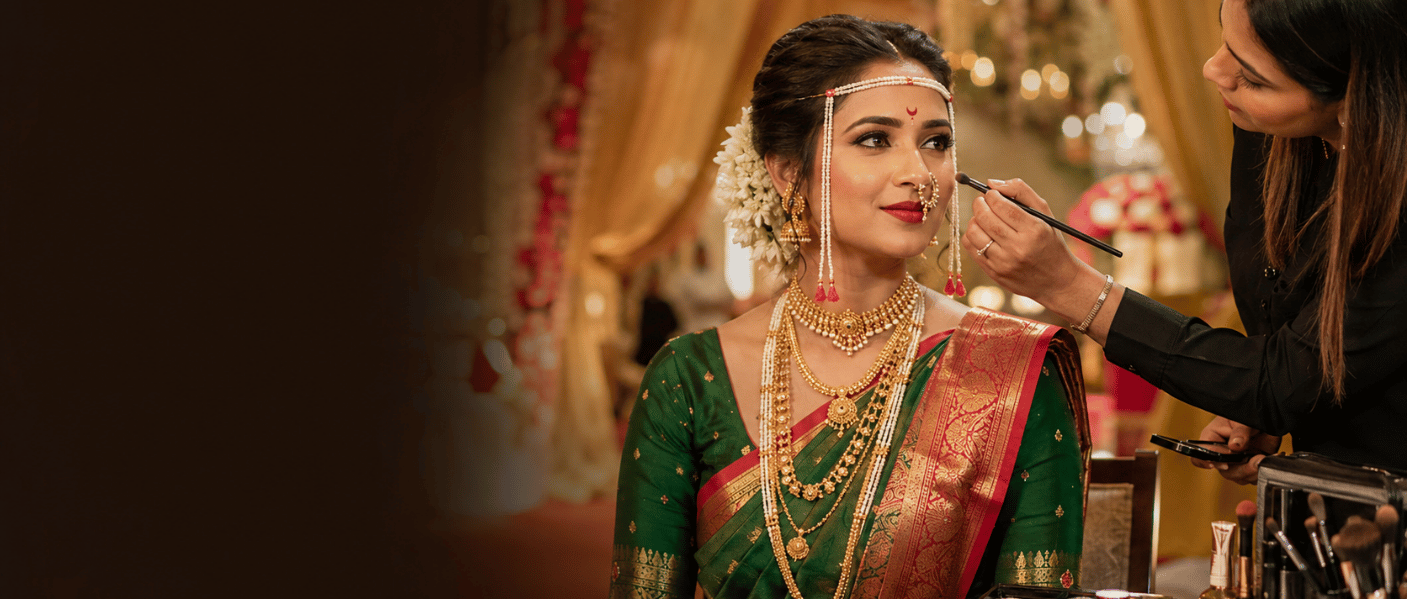
How to Make Bridal Makeup Last All Day
Indian weddings are beautiful, emotional and often wonderfully long. A bride may start getting ready early in the morning and continue with ceremonies, rituals, photography, family gatherings and celebrations well into the evening. Throughout all these moments, her makeup needs to remain fresh, comfortable and camera-ready. This is why long-lasting bridal makeup requires more than simply choosing a long-wear foundation. The longevity of your bridal makeup depends on several factors, including your skin type, skincare routine, makeup products, application technique, weather, wedding venue and the number of hours you will be wearing the makeup. For brides in Mumbai, humidity and heat can make makeup longevity even more important. Outdoor ceremonies, travel between venues and long photography sessions can create additional challenges. At the same time, air-conditioned wedding halls can affect the skin differently. Indian bridal makeup also has its own styling considerations. Traditional Maharashtrian bridal looks, for example, may include a Paithani or Nauvari saree, nath, mundavalya, chandrakor, traditional gold jewellery and gajra. The makeup needs to complement these elements while remaining beautiful in photographs. The good news is that brides can take several practical steps to improve makeup longevity. Proper skin preparation, the right primer, suitable foundation, strategic powder, long-wear eye makeup, comfortable lipstick and a well-planned touch-up routine can all contribute to a more durable bridal look. A bridal makeup trial is equally important. It gives you and your makeup artist an opportunity to see how your makeup behaves after several hours rather than judging it only immediately after application. This guide explains how to make bridal makeup last all day, from pre-wedding skincare to wedding-day touch-ups, while covering practical tips suitable for Indian brides and Mumbai weddings. 1. Start Preparing Your Skin Before the Wedding Long-lasting makeup starts with healthy and well-prepared skin. Your makeup artist can create a beautiful base, but the condition of your skin can influence how makeup sits on the face. In the weeks before your wedding, maintain a consistent skincare routine rather than constantly changing products. A basic routine may include: Gentle cleanser Appropriate moisturiser Sunscreen during daytime Suitable lip care Products recommended for your skin type Avoid aggressive experimentation close to the wedding. If your skin is persistently irritated, very dry, unusually oily or prone to breakouts, consider consulting a qualified dermatologist instead of trying multiple new products. The goal is to arrive at your makeup appointment with skin that is calm, comfortable and familiar with its routine. 2. Understand Your Skin Type Your skin type plays an important role in makeup longevity. Oily Skin Oily skin may develop shine more quickly, especially around the forehead, nose and chin. The makeup artist may use suitable oil-control techniques while still keeping the skin appropriately hydrated. Dry Skin Dry skin can make foundation appear patchy or emphasise flaky areas. Proper hydration and suitable preparation can help create a smoother base. Combination Skin The T-zone may need more oil control while the cheeks may need additional hydration. Sensitive Skin Avoid unnecessary experimentation and tell your makeup artist about products or ingredients that have previously caused problems. There isn’t one universal method for every bride. Your makeup should be customised according to your skin. 3. Hydrate Your Skin Without Overloading It Hydration is important for a comfortable bridal base. However, applying multiple layers of skincare immediately before makeup can sometimes make the skin too slippery. Your makeup artist can determine how much moisturiser and preparation your skin needs. For dry skin, adequate hydration may improve the appearance of foundation. For oily skin, lightweight hydration may be preferable. For combination skin, different amounts can be used on different areas. Give skincare enough time to settle before makeup application. 4. Choose the Right Primer Primer can help prepare the skin for foundation. But choosing the right primer is more important than simply using a large amount. A hydrating primer may work well for certain dry-skin concerns. An oil-control or blurring primer may be useful in selected areas for oily skin. A combination-skin bride may benefit from targeted application. Your makeup artist should also consider how the primer interacts with the foundation. Using two products that don’t work well together can affect the finish and longevity. 5. Apply Foundation in Thin, Controlled Layers One of the most important principles of long-lasting bridal makeup is controlled application. More foundation doesn’t automatically mean better longevity. A thick layer can sometimes: Feel heavy Emphasise skin texture Separate over time Settle into fine lines Look less natural Instead, coverage can be built gradually. Areas requiring more coverage can receive additional product while areas that already look even can remain lighter. This can help maintain a balanced complexion. 6. Select Foundation for Your Wedding Environment Your foundation should be chosen according to more than your skin tone. Your artist should consider: Skin type Desired coverage Finish Wedding duration Venue Weather Photography Personal preference An outdoor wedding in Mumbai can have different requirements from a winter indoor wedding. If you are attending multiple ceremonies, explain the entire schedule to your makeup artist. This allows them to plan your base accordingly. The foundation should also match your complexion accurately. Always evaluate your foundation in natural light as well as indoor lighting. 7. Use Concealer Strategically Concealer can help provide additional coverage around areas that need it. These may include: Under-eye area Redness Blemishes Uneven pigmentation But excessive concealer can create unnecessary layers. The under-eye area especially benefits from careful application. Your makeup artist should consider the natural movement of your skin and the amount of product needed. The goal is correction and definition without creating a visibly thick layer. 8. Set Your Makeup Strategically Powder can help control shine and set makeup. However, applying powder heavily across the entire face can sometimes make the skin appear dry or textured. Strategic application is often more effective. For example, oily areas may require more setting than naturally dry areas. Your makeup artist can assess how your skin behaves and adjust accordingly. The final complexion should still
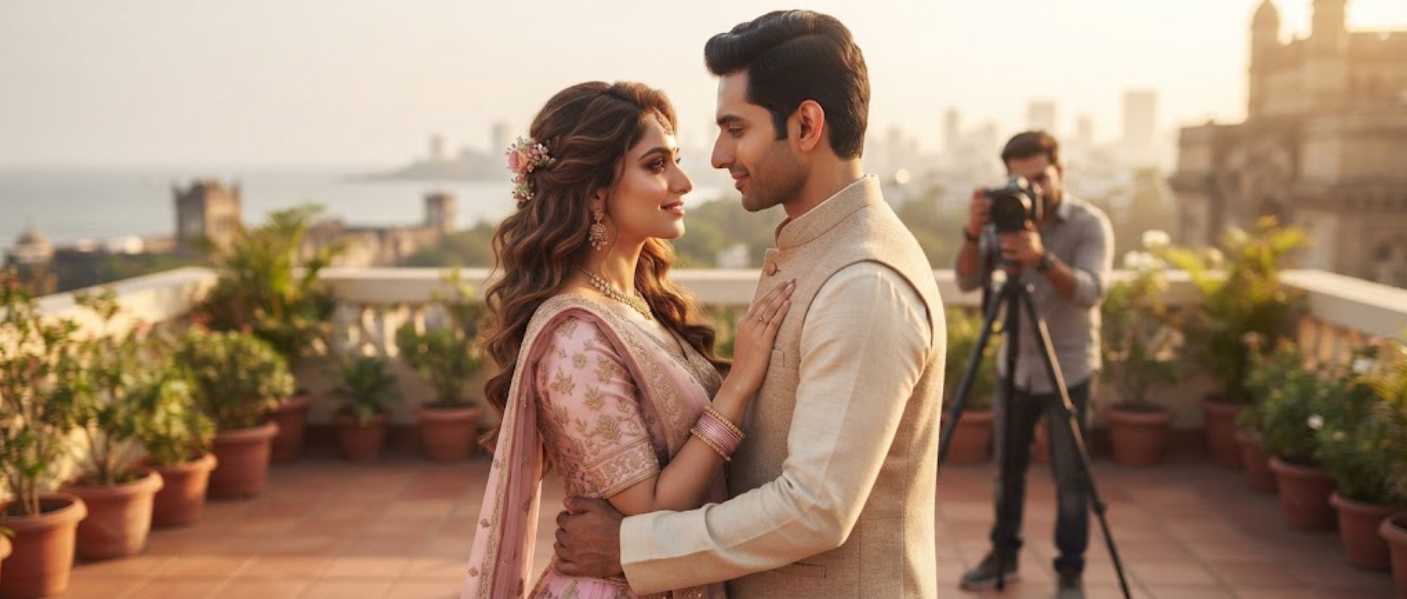
Pre-Wedding Makeup: How to Look Your Best for Engagement & Pre-Wedding Photos
Your wedding day isn’t the only occasion when you’ll want to look your absolute best. Engagement ceremonies, couple shoots, pre-wedding photography sessions, bridal showers and other celebrations are all important parts of the wedding journey. These events create photographs and memories that you’ll look back on for years, making pre-wedding makeup an important part of your overall bridal beauty planning. Pre-wedding makeup is different from everyday makeup and can also be different from wedding-day makeup. The goal is usually to create a polished, fresh and camera-friendly appearance without making the bride look overly made-up. Your makeup needs to work with different outfits, locations, lighting conditions and photography styles. For an engagement ceremony, you may prefer elegant soft glam makeup that complements your outfit and jewellery. For an outdoor pre-wedding shoot, a lightweight, natural-looking base may work better. A traditional Maharashtrian engagement may call for classic makeup that works beautifully with a Paithani saree and traditional jewellery, while a modern couple shoot might suit a softer contemporary look. Photography also changes the way makeup should be approached. Cameras can highlight uneven texture, excessive shine or poorly blended makeup. At the same time, overly heavy makeup can sometimes look less natural in close-up photographs. The key is balance. Good skin preparation, a suitable foundation, well-defined eyes, carefully selected blush and a flattering lip colour can create a beautiful result without hiding your natural features. You also need to consider the event itself. Outdoor shoots may involve heat, humidity, wind or sunlight. Indoor engagement functions may involve artificial lighting and flash photography. Your makeup should be planned according to these conditions. This guide covers everything you need to know about pre-wedding makeup—from skincare and foundation selection to eye makeup, lip colours, photography, touch-ups and choosing the right makeup artist. 1. Understand the Difference Between Pre-Wedding and Wedding Makeup Pre-wedding makeup is generally more flexible than wedding-day makeup. Your wedding day may involve heavier traditional jewellery, elaborate outfits, long ceremonies and extensive photography. A pre-wedding shoot may require something more natural and versatile. For engagement makeup, you can choose a look that sits between everyday makeup and full bridal glam. Think about the event before selecting the final look. 2. Prepare Your Skin Before the Makeup A smooth makeup application starts with healthy-looking skin. In the days and weeks before your engagement or pre-wedding shoot, maintain a consistent skincare routine. Focus on: Gentle cleansing Appropriate moisturisation Lip care Sun protection Adequate hydration Avoid trying several new products immediately before an important photography session. Your makeup artist can customise the final skin preparation according to your skin type. 3. Choose a Foundation That Looks Natural on Camera Foundation should even out your complexion without making the skin look like a mask. For photography, blending is extremely important. Your makeup artist should ensure that the foundation matches your complexion and transitions naturally into the neck. The right coverage depends on your skin and the photography style. For an outdoor couple shoot, lighter coverage may be enough. For an engagement ceremony with extensive photography, you may prefer medium or buildable coverage. 4. Choose the Right Makeup Finish Your desired finish should match both your skin type and the event. Possible finishes include: Natural Satin Soft matte Soft luminous A completely matte finish isn’t necessary for every bride. Similarly, extremely dewy makeup may create unwanted shine under strong photography lights. A balanced finish often photographs beautifully. 5. Use Concealer Strategically Concealer can help brighten the under-eye area and cover small imperfections. But too much concealer can become noticeable in close-up photographs. Apply only as much as needed. Your makeup artist can also use concealer to subtly brighten selected areas of the face. The objective is to create an even appearance while preserving natural dimension. 6. Define Your Eyes Without Making Them Too Heavy Eyes are one of the most important features in photographs. For pre-wedding makeup, you don’t necessarily need dramatic bridal eyes. Soft brown, bronze, champagne, rose and neutral tones can create beautiful definition. Depending on the outfit, you can add: Soft eyeliner Kajal Mascara Individual or lightweight lashes Subtle shimmer For an engagement ceremony, slightly more definition may be appropriate than for a casual outdoor couple shoot. Choose eye makeup that defines your features while still allowing your expressions to remain the focus of the photograph. 7. Select a Blush That Complements Your Skin Tone Blush can make a major difference in photographs. Without enough colour, the complexion may appear flat. Too much blush can look unnatural. Choose a shade that complements your skin tone and overall makeup. Soft peach, rose, pink, terracotta and berry tones can all work depending on the bride. Your makeup artist should blend the blush seamlessly into the rest of the complexion. 8. Choose a Lip Colour That Works With Your Outfit Your lipstick should complement your outfit rather than compete with it. For a pastel engagement outfit, soft pink, rose or nude-rose tones may work beautifully. For a darker traditional outfit, red, berry, mauve or deeper rose can create more definition. Think about your complete look: Outfit + jewellery + eyes + blush + lips = one cohesive style. 9. Plan Makeup According to the Photography Location Your location affects your makeup. An outdoor shoot may expose you to: Sunlight Heat Wind Humidity Dust An indoor shoot may involve: Studio lighting Flash Warm artificial lights Air conditioning Tell your makeup artist where you’re shooting. This allows the makeup approach to be adjusted accordingly. 10. Don’t Overdo Highlighter Highlighter can create beautiful dimension. But excessive shine may appear oily under direct sunlight or flash. Apply highlighter strategically to areas such as: Upper cheekbones Inner corners of the eyes Brow bone where appropriate Nose bridge in moderation The objective is subtle radiance. 11. Make Your Makeup Long-Lasting Pre-wedding shoots can last several hours. You may change outfits, move between locations and spend significant time outdoors. Long-lasting makeup therefore matters. Your makeup artist may use: Suitable primer Long-wear foundation Strategic setting powder
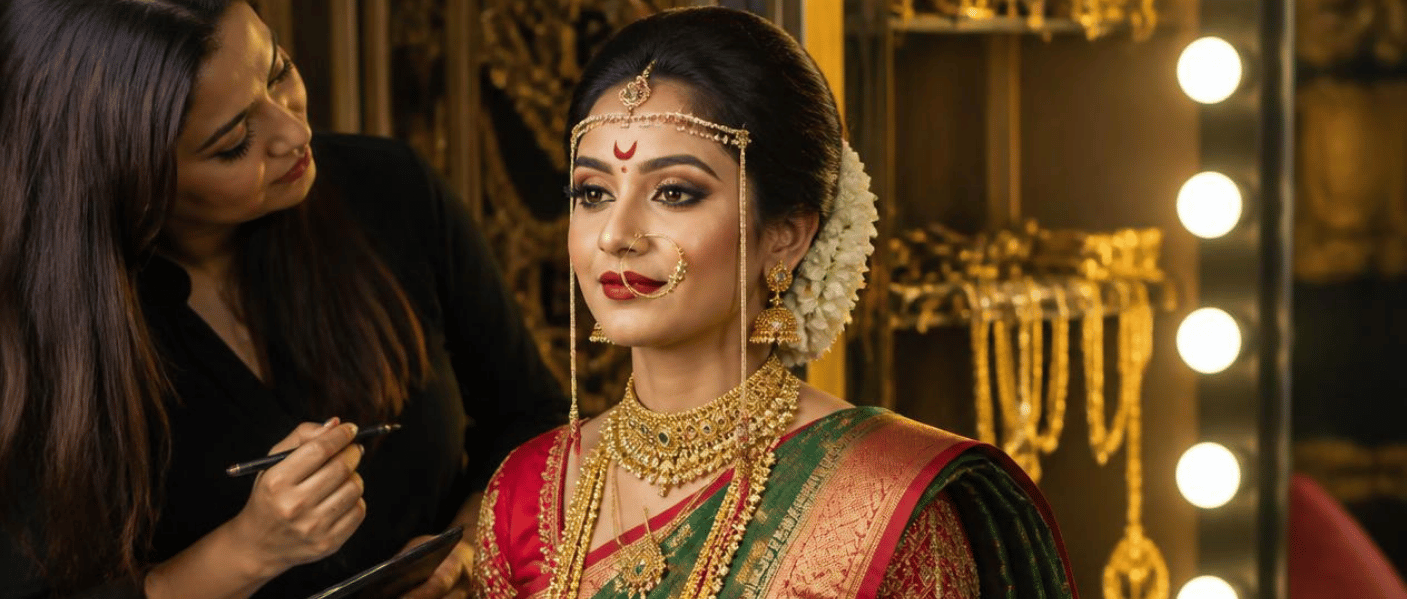
Bridal Makeup Mistakes to Avoid Before Wedding
Your wedding day is one of the most photographed days of your life, so choosing the right bridal makeup and preparing your skin properly can make a significant difference to how comfortable and confident you feel. Many brides spend months planning their saree, jewellery, hairstyle, venue and photography but leave their makeup decisions until the final few weeks. This can sometimes lead to avoidable problems such as trying unfamiliar skincare products, choosing a makeup style that doesn’t suit their personality, skipping a makeup trial or selecting a foundation shade without checking it in different lighting. Bridal makeup is not only about looking beautiful for a few photographs. It needs to work through ceremonies, rituals, conversations, meals, emotional moments and sometimes many hours of photography. For Mumbai brides, there can be additional considerations. Humidity, heat, outdoor ceremonies, long travel between venues and changing indoor and outdoor temperatures can all affect how makeup looks and feels. A well-planned bridal makeup routine begins before the wedding morning. Your skin preparation, makeup trial, product choices, hairstyle, jewellery and wedding-day schedule should all be considered together. If you’re planning a traditional Maharashtrian wedding, your makeup also needs to complement elements such as the Paithani or Nauvari saree, nath, mundavalya, chandrakor, gold jewellery and gajra. The goal isn’t simply to apply more makeup. The goal is to create a look that suits your features, photographs beautifully, feels comfortable and remains appropriate throughout your wedding celebrations. This guide covers the most common bridal makeup mistakes brides should avoid before their wedding day, along with practical ways to prepare for a smoother and more confident bridal beauty experience. 1. Skipping the Bridal Makeup Trial One of the biggest mistakes a bride can make is waiting until the wedding morning to discover whether she actually likes her makeup. A bridal makeup trial gives you an opportunity to test your complete look beforehand. During the trial, you can evaluate: Foundation shade Skin finish Eye makeup Eyelashes Blush Contour Lipstick Highlighter Hairstyle You can also take photographs under different lighting conditions. This is particularly useful because makeup can look different in a mirror compared with a professional camera. A trial also allows you to communicate what you want changed. Maybe you want less contour. Maybe you prefer softer eye makeup. Maybe you don’t like dramatic lashes. Maybe you want a more natural complexion. It’s much easier to make these decisions weeks before the wedding than when you’re already dressed and surrounded by family members on the wedding morning. 2. Trying New Skincare Products Just Before the Wedding Your wedding is not the right time to experiment with an entirely new skincare routine. A new product may cause: Irritation Redness Dryness Breakouts Excess oiliness Sensitivity Even products marketed as gentle or suitable for bridal skin may not work the same way for everyone. Keep your skincare routine consistent and introduce changes carefully. If you want professional skincare treatment before the wedding, give yourself enough time to see how your skin responds. For persistent skin concerns, consult a qualified dermatologist rather than experimenting with multiple products at the last minute. 3. Overdoing Facials or Skin Treatments Before the Wedding Professional skincare treatments can be useful when planned appropriately. But aggressive treatments immediately before the wedding may leave your skin irritated or unusually sensitive. Avoid making major skincare changes without understanding how your skin will respond. Your pre-wedding skincare schedule should be planned according to: Your skin type Existing concerns Treatment type Wedding date Professional advice The closer you get to the wedding, the more important it becomes to keep your routine predictable. 4. Choosing a Makeup Look Only Because It’s Trending Not every bridal trend is right for every bride. A makeup look can look beautiful on social media but still feel uncomfortable on you. Consider: Your face shape Skin tone Eye shape Personal style Wedding outfit Jewellery Photography style If you usually prefer natural makeup, suddenly choosing extremely heavy glam may make you feel unlike yourself. Similarly, if you love dramatic makeup, an ultra-minimal look may not feel special enough. Use trends as inspiration rather than rules. 5. Choosing the Wrong Foundation Shade A foundation shade that doesn’t match your skin can become very noticeable in wedding photographs. Don’t select a shade only by looking at the bottle or testing it on your hand. Your face, neck and visible chest area can have different tones. Your makeup artist should assess: Skin tone Undertone Natural daylight appearance Photography appearance Take photographs after the trial. Look at the makeup in both natural and artificial lighting. This can help identify whether the foundation looks too pale, orange, pink or dark. 6. Applying Too Much Makeup Bridal makeup should provide the coverage and definition you need without automatically becoming excessively heavy. Too much product can sometimes: Look cakey Emphasise texture Feel uncomfortable Settle into lines Photograph unnaturally Professional bridal makeup can still be glamorous while maintaining realistic skin texture. The right amount depends on your skin, desired look and photography requirements. Your makeup artist should build coverage according to your needs rather than applying the same amount to every bride. 7. Ignoring Your Skin Type Your makeup should be planned around your skin. Different skin types may need different preparation. Oily Skin Focus on balanced hydration, strategic oil control and suitable long-wear products. Dry Skin Proper hydration and smoothing preparation can help create a comfortable finish. Combination Skin Different areas may need different approaches. Sensitive Skin Avoid unnecessary experimentation and communicate sensitivities to your makeup artist. Understanding your skin type before the wedding can make your makeup application more predictable. 8. Forgetting to Test Makeup in Photographs Your bridal makeup needs to work on camera. A mirror only shows you one perspective. Photography can reveal: Foundation mismatch Excess powder Strong contour Uneven blending Flash-related cast Excessive highlight During your trial, take several photographs. Try: Close-up Full face Side profile Natural daylight Indoor lighting Flash photography 9. Forgetting About Your Wedding Outfit and Jewellery Your makeup
Bridal Makeup for Oily Skin: Tips for Long-Lasting Makeup in Mumbai
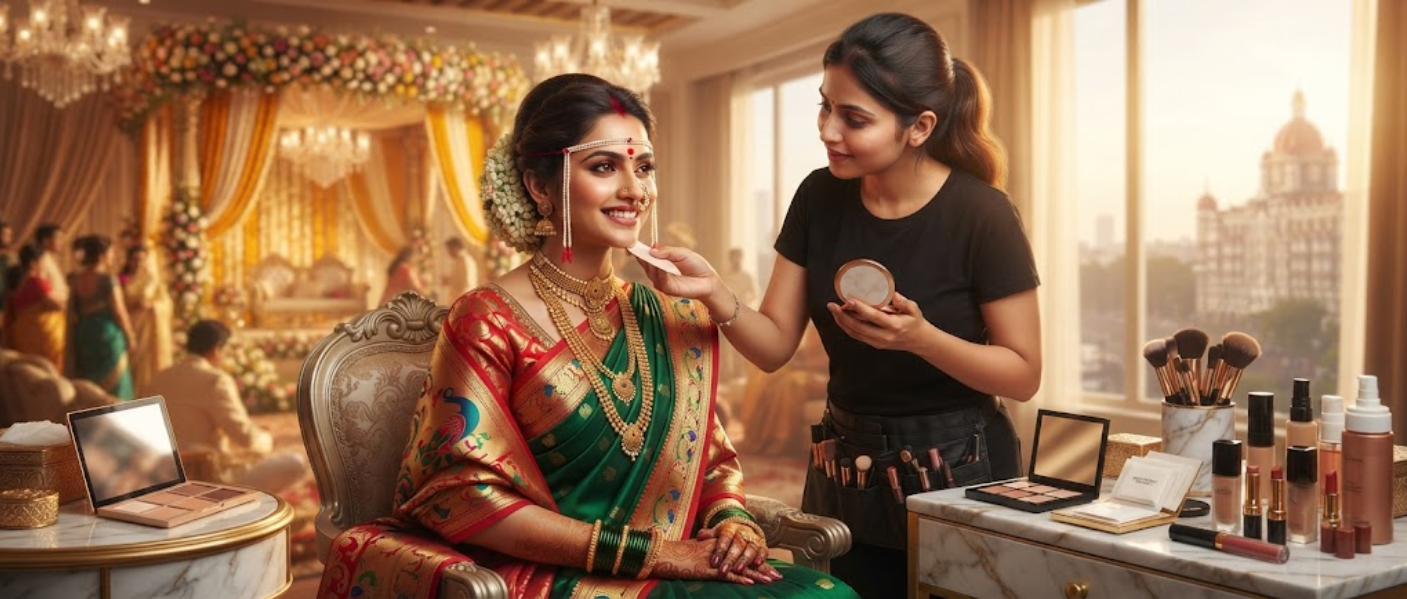
Having oily skin doesn’t mean you can’t achieve beautiful, long-lasting bridal makeup. In fact, with the right preparation, products and application techniques, oily skin can look smooth, fresh and beautifully radiant throughout your wedding celebrations. For brides getting married in Mumbai, skin preparation becomes even more important. Mumbai’s warm and humid weather can contribute to increased shine, perspiration and makeup breakdown, particularly during outdoor ceremonies or long wedding functions. The key is not to eliminate every trace of natural skin oil. Healthy skin naturally has some shine. Instead, the goal is to control excess oil while maintaining a comfortable, natural-looking complexion. Many brides make the mistake of applying too much powder because they are worried about becoming oily. This can sometimes create a heavy, cakey appearance, especially in close-up wedding photographs. A better bridal makeup strategy involves preparation, appropriate product selection, thin layers, strategic setting and a practical touch-up plan. Your makeup artist should also consider your specific skin behaviour. Some brides have an oily T-zone but normal cheeks. Others experience oiliness across the entire face. Some may become more oily because of heat, nervousness or long wedding ceremonies. Your foundation finish, primer, powder placement and setting technique should therefore be customised. This guide explains how to prepare oily skin before bridal makeup, which techniques can help makeup last longer, what to avoid, how Mumbai weather can affect your look, and how to keep your bridal makeup fresh throughout your wedding day. 1. Understand Why Bridal Makeup Can Break Down on Oily Skin Before solving the problem, it’s useful to understand it. Your skin naturally produces sebum. When excess oil combines with: Heat Sweat Humidity Touching the face Makeup layers Makeup can begin to move or become shiny. You may notice: Foundation separating T-zone becoming shiny Concealer creasing Eyeliner transferring Blush fading This doesn’t mean your makeup artist has used the wrong products. The wedding environment also matters. A bride attending a 12-hour wedding celebration in Mumbai has very different requirements from someone attending a two-hour indoor event. 2. Start With the Right Skincare Routine Long-lasting bridal makeup begins before foundation. If your skin is excessively oily, overloaded with products or dehydrated, makeup may not sit as expected. A simple established routine can include: Morning Gentle cleanser→ Lightweight moisturiser→ Sunscreen Evening Gentle cleanser→ Established skincare routine→ Lightweight moisturiser The exact products should depend on your skin. Don’t suddenly introduce strong active ingredients before your wedding. If you have persistent acne or significant skin concerns, consider consulting a qualified dermatologist well before your wedding date. The goal is stable, comfortable skin—not an aggressive last-minute transformation. 3. Don’t Skip Moisturiser Because Your Skin Is Oily This is a common misconception. Many brides with oily skin avoid moisturiser because they believe it will make their face even oilier. But oily skin still needs hydration. A lightweight, non-heavy moisturiser may help your skin feel comfortable before makeup. Your makeup artist can choose preparation products based on your skin condition and the wedding environment. Avoid applying multiple layers of heavy skincare immediately before makeup. The goal is to create a comfortable base without leaving excessive residue. 4. Use a Suitable Primer Primer can help create a better surface for makeup. For oily skin, your makeup artist may choose a primer designed to help with: Shine control Makeup longevity Texture Pore appearance However, primer isn’t a magic solution. Using too much can sometimes create an undesirable texture or interfere with foundation. A professional makeup artist can determine where primer is actually necessary. You may not need the same primer across your entire face. For example, your T-zone may require more oil-control preparation than your cheeks. 5. Choose the Right Foundation Finish Foundation selection is particularly important for oily skin. You may prefer a: Natural-matte finish Satin finish Soft-matte finish Long-wear complexion A completely flat matte finish isn’t always necessary. Modern bridal makeup can maintain dimension while still controlling shine. Your artist should consider: Skin type Weather Wedding duration Venue Photography Personal preference The foundation shade should also match your face and neck. A perfectly controlled complexion in the wrong shade will still look incorrect. 6. Use Thin Layers Instead of Heavy Foundation More foundation does not automatically mean longer-lasting makeup. Heavy layers can sometimes become more noticeable as the day progresses. A professional approach may involve: Preparation → Thin foundation layer → Targeted concealer → Strategic setting Coverage can be built where necessary. For example: Around blemishes Under the eyes Around redness Along areas needing additional coverage This allows the rest of the skin to remain lighter. Thin, well-blended layers can also look more natural in close-up photographs. 7. Set the T-Zone Strategically The T-zone typically includes: Forehead Nose Chin These areas may produce more oil. Rather than covering the entire face with heavy powder, your makeup artist can strategically set areas that need more control. This can help maintain a more dimensional appearance. For example: T-zone → more controlled Cheeks → lighter setting High points → natural dimension The exact technique depends on your skin. 8. Don’t Over-Powder Your Entire Face This is one of the most important rules for oily-skin bridal makeup. It can be tempting to apply powder everywhere because you’re worried about shine. But excessive powder may make the complexion look: Dry Flat Heavy Cakey Over-textured This becomes particularly noticeable in close-up photographs. Instead, powder strategically. Your artist can monitor how your skin behaves throughout the day and touch up only where needed. 9. Choose Long-Wear Eye Makeup Oily skin can affect eye makeup too. Eyelids may become oily, which can contribute to: Eyeshadow creasing Eyeliner transferring Mascara smudging Your makeup artist may use appropriate eye preparation and long-wear products. Water-resistant or waterproof options can also be useful for emotional wedding ceremonies. During your trial, test: Kajal Eyeliner Mascara Eyeshadow Try wearing the look for several hours if possible. 10. Use Blotting Papers for Midday Shine Blotting papers can be useful during long wedding events. They can help remove surface oil
How To Make Bridal Makeup Last All Day
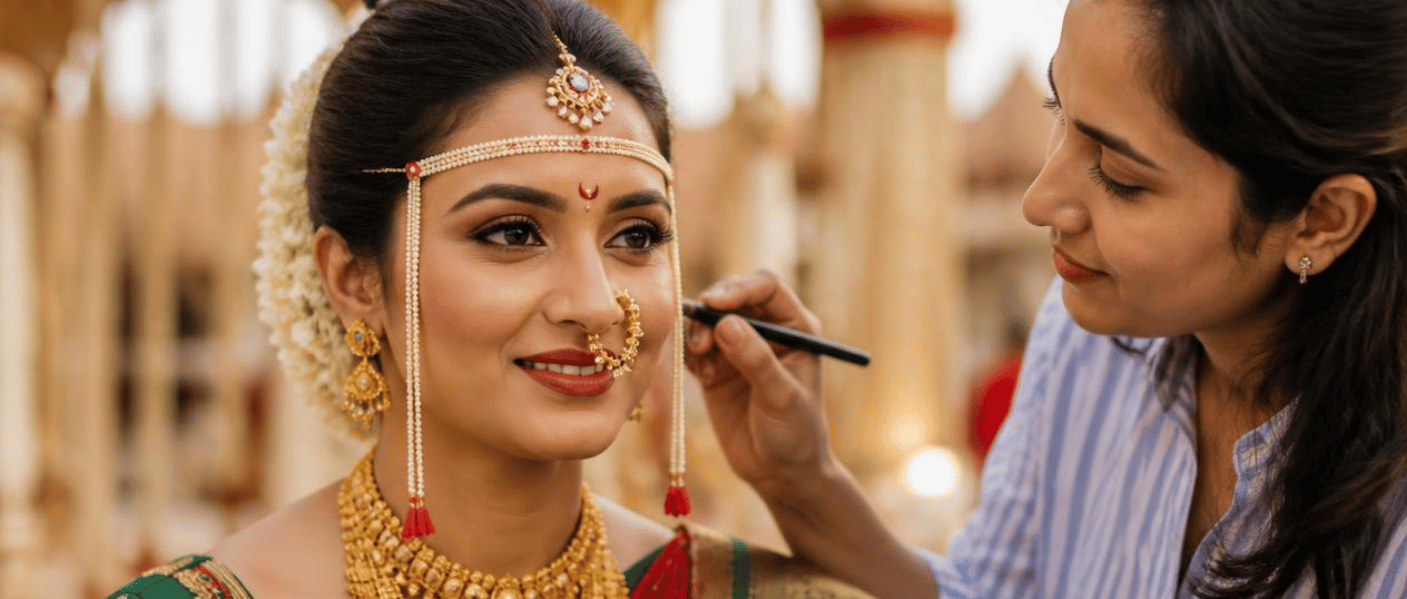
Every bride wants her makeup to look beautiful from the first photograph to the final wedding ritual. But Indian weddings can last for many hours. A bride may get ready early in the morning, attend the ceremony, participate in rituals, pose for photographs, travel between venues and continue into an evening reception. During this time, makeup has to deal with movement, heat, humidity, tears, food, sweat and constant photography. For brides in Mumbai, long-lasting bridal makeup can be especially important. The city’s weather can be warm and humid, while air-conditioned hotel rooms and banquet halls create completely different conditions. This is why long-lasting bridal makeup isn’t simply about using the strongest setting spray or applying extra powder. A durable bridal look begins with proper skin preparation, suitable products, professional application and realistic planning. Your skin type also matters. Oily skin may require strategic oil control, while dry skin needs adequate hydration. Combination skin may require different approaches for different areas of the face. The makeup technique matters too. Natural bridal makeup, HD makeup, airbrush makeup and full-glam makeup can all be designed for longevity when applied correctly. Your bridal trial is the perfect opportunity to test how your makeup behaves over several hours. Instead of asking only, “Will this makeup last all day?”, observe how it actually looks after wearing it for several hours. Does the foundation separate? Does the T-zone become shiny? Does the concealer crease? Does the lipstick fade? Do the lashes remain comfortable? Does the makeup still photograph beautifully? The answers can help your makeup artist make adjustments before the wedding. This guide explains how brides can prepare their skin, choose the right makeup approach, protect their makeup throughout the wedding day and create a practical touch-up strategy for long-lasting bridal beauty. 1. Start With Proper Skin Preparation Long-lasting bridal makeup begins before foundation. Your skin needs to be properly prepared according to its type. For dry skin, hydration can help create a smoother makeup surface. For oily skin, the focus may be on balanced hydration and strategic oil control. For combination skin, different areas may need different preparation. A basic preparation routine may include: Gentle cleansing Appropriate moisturiser Suitable primer Lip preparation Avoid applying excessive skincare immediately before makeup. Too many layers can make the complexion slippery and interfere with foundation. 2. Choose a Primer According to Your Skin Primer can help create a suitable surface for makeup. However, there isn’t one universal primer for every bride. Dry Skin A hydrating or smoothing primer may be suitable. Oily Skin A suitable oil-control or pore-blurring primer may help in specific areas. Combination Skin Different primers can sometimes be used in different zones. The key is moderation. Applying too much primer doesn’t automatically make makeup last longer. Your makeup artist should choose products based on your actual skin and the foundation being used. 3. Use the Right Foundation Technique Foundation longevity depends on more than the product. Application technique matters. A professional makeup artist may build coverage gradually rather than applying one thick layer. This can help create: More natural texture Better blending Controlled coverage Improved comfort Better photographic appearance The foundation should also match your skin tone and undertone. A wrong shade can look especially noticeable after several hours of wear. For bridal makeup, test the foundation during your trial. 4. Don’t Apply Too Much Foundation More foundation doesn’t always mean longer-lasting makeup. A thick layer can sometimes: Feel heavy Settle into texture Separate Look cakey Require more powder Instead, professional makeup artists often build coverage where needed. The result can be a more natural complexion while still providing enough coverage for photography. Your skin should still look like skin. 5. Use Powder Strategically Powder can help control shine and set certain areas. But applying heavy powder everywhere isn’t always necessary. For oily areas, your makeup artist may apply more powder. For dry areas, less powder may be appropriate. Strategic powder placement can help maintain a natural-looking complexion. The objective is balance. 6. Make Your Eye Makeup Long-Lasting Eye makeup can be one of the first areas to show wear. A long wedding day can involve: Tears Humidity Sweat Rubbing Blinking Photography lights Your makeup artist can choose suitable products and application techniques. Depending on your look, these may include: Eye primer Long-wear eyeliner Waterproof mascara Suitable eyeshadow Secure false lashes Photography lights Don’t test unfamiliar eye products for the first time on your wedding morning. Your trial is the best opportunity to identify comfort or sensitivity issues. 7. Choose a Lipstick That Can Handle a Wedding Day Your lipstick needs to survive more than photographs. You’ll probably: Drink water Eat Talk Smile Participate in rituals Kiss family members Pose for photographs Long-wear lipstick can be useful. But comfort matters too. Your artist may use: Lip preparation Lip liner Lip colour Blotting A second layer Appropriate finishing product 8. Waterproof and Sweat-Resistant Products Can Help Indian weddings can involve heat, humidity and emotional moments. Suitable long-wear products can help makeup remain stable. Depending on the look, your makeup artist may consider: Waterproof eye makeup Long-wear foundation Long-wear lipstick Setting spray Suitable powder However, “waterproof” doesn’t mean you should ignore your skin preparation. Product selection and application still matter. Your makeup should remain comfortable. 9. Setting Spray Can Help Finish the Look Setting spray is often used near the end of makeup application. It can help bring the makeup layers together and support the final finish. Your makeup artist may choose a formula based on: Skin type Desired finish Weather Foundation Wedding duration Don’t assume that spraying an excessive amount will make makeup last indefinitely. It is one component of the overall makeup system. 10. Keep Your Hands Away From Your Face One simple habit can make a difference. Try not to repeatedly touch: Nose Cheeks Forehead Eyes Lips during the wedding. Touching can transfer oils and disturb makeup. Instead of wiping your face, use gentle blotting when needed. If tears appear, avoid rubbing. 11. Build a