
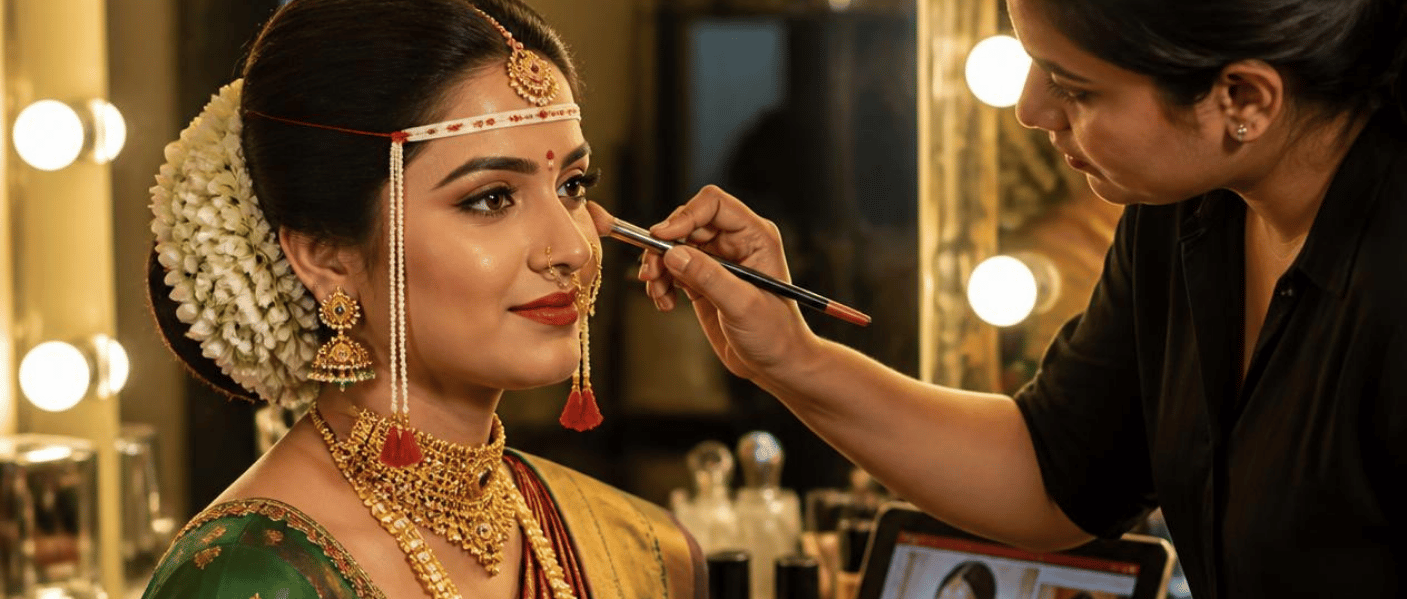
A bridal makeup trial is one of the most useful steps you can take before your wedding day. Your wedding makeup should not be something you experiment with for the first time on the morning of your ceremony. A trial gives you the opportunity to meet your makeup artist, discuss your preferences, test different makeup techniques and see how the final look works with your complexion, outfit, jewellery and hairstyle. For brides in Mumbai, a bridal makeup trial can be particularly valuable because wedding celebrations may involve long hours, humid weather, outdoor photography and multiple functions. A makeup look that appears beautiful inside a studio may look different under natural daylight, strong photography lights or outdoor conditions. The trial gives you an opportunity to identify these differences before the actual wedding. It can also help you decide between natural bridal makeup, soft glam, HD makeup, airbrush makeup or traditional Maharashtrian bridal makeup. If you’re planning a Maharashtrian wedding, your trial can include traditional styling elements such as the nath, mundavalya, chandrakor, Paithani or Nauvari saree and gajra hairstyle. This helps you understand how all the elements work together. The trial is also a communication exercise. Your makeup artist needs to understand what you like—and equally importantly, what you don’t like. Maybe you prefer natural skin rather than heavy coverage. Maybe you don’t normally wear false lashes. Maybe you want a bold red lip. Maybe you want your bridal makeup to look elegant rather than dramatically different from your everyday appearance. These details should be discussed before the wedding day. A good trial can also reveal practical issues such as foundation shade, skin preparation, hairstyle comfort, lipstick longevity and eye makeup preferences. This guide explains exactly what happens during a bridal makeup trial, how to prepare, what questions to ask, what to photograph, which mistakes to avoid and how to decide whether the makeup artist is right for you. 1. What Is a Bridal Makeup Trial? A bridal makeup trial is a pre-wedding appointment where you test your planned bridal makeup before the actual wedding. Depending on the makeup artist, the trial may include: Skin preparation Foundation Concealer Contour Blush Eye makeup Eyelashes Lipstick Highlighter Hairstyling Some artists offer a makeup-only trial. Others provide combined makeup and hairstyle trials. The exact service depends on the artist and package. The objective is to create a version of your wedding look and evaluate whether you like it. 2. Why Should Brides Have a Makeup Trial? A trial can prevent last-minute surprises. It gives you an opportunity to discover: Whether you like the makeup style Whether the foundation matches Whether the lipstick suits you Whether the eye makeup feels comfortable Whether the lashes feel natural Whether the hairstyle works Whether the overall look matches your outfit It also gives your makeup artist an opportunity to understand your face, skin and preferences. If something needs changing, you have time. The wedding morning is not the ideal time to discover that you dislike your lipstick colour. 3. When Should You Schedule Your Bridal Makeup Trial? A practical time is usually several weeks before the wedding, giving you enough time to make adjustments. Your exact timing depends on: Wedding date Makeup artist availability Skincare schedule Outfit availability Jewellery Hairstyle planning Don’t schedule the trial the day before your wedding unless absolutely necessary. You want enough time to make decisions. If you need to change your makeup artist, hairstyle or skincare routine, you should have time to do so. 4. What Should You Bring to the Makeup Trial? Bring anything that helps your makeup artist understand the complete bridal look. Useful items include: Bridal outfit photograph Jewellery photographs Hairstyle references Makeup inspiration Lipstick references Wedding invitation or colour palette Saree photograph If possible, bring the actual jewellery or a representative piece. For a Maharashtrian bride, show your: Nath Mundavalya Chandrakor Earrings Gajra preference This allows the artist to visualise the complete styling. 5. Show Your Makeup Inspiration—but Don’t Copy It Blindly Pinterest and Instagram can be excellent sources of inspiration. But remember: The bride in the photograph may have: Different skin tone Different face shape Different eye shape Different skin type Different features Different lighting Instead of saying: “I want exactly this.” Explain what you like about the image. For example: “I like the soft bronze eyes and natural skin.” Or: “I like this lipstick colour but want less contour.” This gives your makeup artist useful information. 6. Discuss Your Skin Type Tell your makeup artist about your skin honestly. Mention whether your skin is: Oily Dry Combination Sensitive Acne-prone Dehydrated Also tell them about specific areas of concern. For example: “My forehead becomes oily.” “My cheeks become dry.” “My eyes water easily.” “My lips become dry.” This information helps your artist plan your makeup preparation. If you have persistent skin concerns, professional skincare advice may be appropriate before the wedding. 7. Test Your Foundation Properly Foundation matching is one of the most important parts of the trial. Check whether it matches: Face Neck Visible chest area The foundation should not make your face appear significantly lighter or darker than the rest of your visible skin. Take photographs under: Natural daylight Indoor light Flash Camera lighting This can reveal whether the foundation creates an unwanted cast. If you’re unsure, ask your makeup artist to photograph the look from several angles. 8. Test the Eye Makeup and Lashes Eye makeup is often one of the most noticeable parts of bridal makeup. During the trial, test: Eyeshadow Kajal Eyeliner Mascara False lashes Brow shape Pay attention to comfort. Can you blink normally? Do the lashes feel too heavy? Does the eyeliner transfer? Does the eyeshadow crease? If your eyes are sensitive or watery, tell your artist. A wedding ceremony can involve tears, so eye makeup should be practical as well as beautiful. 9. Test Your Lipstick Colour Your lipstick should complement: Skin tone Undertone Saree Jewellery Eye makeup Personal style Popular bridal options include: Red Rose-red Berry Wine Mauve
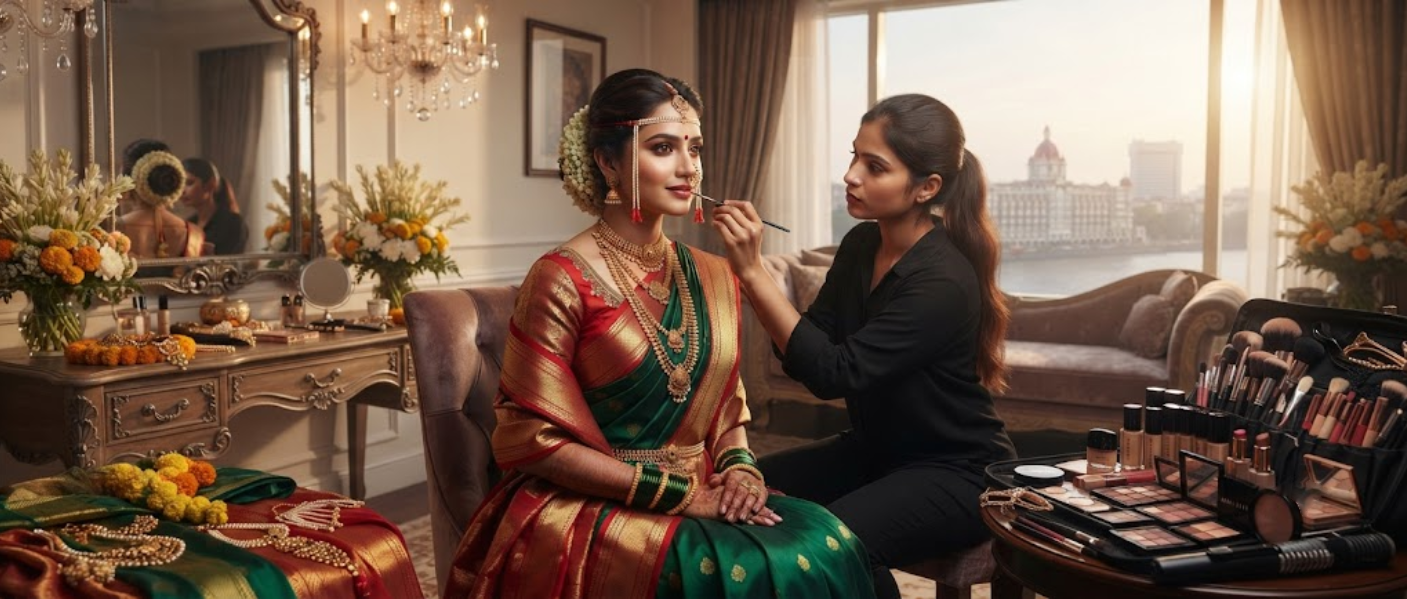
Mumbai Bridal Makeup Packages: What Should Be Included in a Bridal Makeup Package?
Planning your wedding involves hundreds of decisions, and choosing the right bridal makeup package is one of the most important. A bridal makeup package is not simply about having your makeup done on the wedding day. Depending on the makeup artist or beauty studio, a package may include several services such as bridal makeup, hairstyling, saree draping, lashes, touch-ups, travel, makeup trials and additional looks for other wedding functions. For brides in Mumbai, package selection can be particularly confusing because prices and inclusions can vary significantly between makeup artists. One bridal makeup artist may offer a basic wedding-day makeup service, while another may provide a complete bridal styling experience covering makeup, hairstyle, saree draping, jewellery assistance and touch-ups. This is why you should never compare bridal makeup packages based only on the headline price. A package that appears cheaper may have important services excluded. Another package may cost more but include everything you need, making it more convenient and potentially better value. Your wedding schedule also matters. A bride having only one wedding ceremony may need a very different package from someone having Haldi, Mehendi, Sangeet, wedding and reception celebrations. The makeup technique can also influence the package. You may be considering HD makeup, airbrush makeup, natural makeup or soft glam makeup, and each artist may structure their pricing differently. In this guide, we’ll explain exactly what should be included in a Mumbai bridal makeup package, what questions you should ask before booking, which extras may cost more, how to compare packages and how to avoid unexpected charges. 1. Bridal Makeup Should Be Clearly Included The first and most obvious inclusion is the bridal makeup itself. However, you should still ask exactly what the artist means by “bridal makeup.” A professional package may include: Skin preparation Primer Foundation Concealer Contouring Blush Highlighter Eye makeup Eyeliner Kajal The exact products and techniques will vary by artist. Some artists may offer different makeup categories such as: Natural makeup HD makeup Airbrush makeup Soft glam Traditional bridal makeup Make sure you understand which technique is included in the quoted package. 2. Ask Whether Hairstyling Is Included Hairstyling is one of the most important package inclusions. Some bridal makeup packages include hairstyling automatically. Others charge separately. Ask whether the package includes: Bridal bun Hair extensions Hair padding Braiding Hair accessories Floral styling Gajra arrangement For a Maharashtrian bride, traditional hairstyles often involve a bun with mogra, jasmine or gajra. If you are wearing a Nauvari or Paithani saree, discuss the hairstyle during your makeup trial. Your hairstyle should work with the: Nath Mundavalya Chandrakor Earrings 3. Check Whether Saree Draping Is Included Saree draping is another service that may or may not be included. For a traditional Maharashtrian wedding, saree draping can be particularly important because a Nauvari saree requires a specific draping technique. Ask: Is saree draping included? Is Nauvari draping available? Is Paithani draping included? Does the artist provide a dedicated draper? Are additional sarees charged separately? A bridal makeup package that includes saree draping can make the getting-ready process significantly easier. If your makeup artist doesn’t provide draping, ask whether they can coordinate with a professional saree draper. 4. Ask About False Lashes False lashes are commonly used for bridal makeup because they can help define the eyes in photographs. But not every bride wants dramatic lashes. Ask whether lashes are included. Also discuss: Natural lashes Individual lashes Strip lashes Dramatic lashes Lash style suitable for your eye shape If you don’t normally wear false lashes, have them tested during your trial. Comfort matters. You should be able to blink naturally and wear them for several hours. 5. Check Whether the Makeup Trial Is Included A makeup trial can be extremely valuable. However, not every package includes one. Some artists: Include one trial Charge separately Offer trials only for selected packages Offer makeup trials with additional hairstyling Ask before booking. During the trial, you can test: Foundation shade Coverage Skin finish Eye makeup Lip colour Take photographs under different lighting conditions. If you are comparing natural, soft glam and glam makeup, your trial is the perfect opportunity to decide. 6. Ask About Touch-Up Services Your wedding may last many hours. Makeup can be affected by: Heat Humidity Tears Sweat Food Dancing Some packages include touch-ups. Others don’t. Ask exactly what “touch-up” means. It could mean: Lipstick reapplication Shine control Blush adjustment Eye makeup correction Also ask whether the artist stays at the venue or leaves after completing your initial makeup. These are very different services. 7. Understand How Many Functions Are Included A bridal package may cover one function or multiple functions. Your wedding celebrations could include: Engagement Haldi Mehendi Sangeet Wedding Don’t assume your wedding-day package automatically covers every function. Ask whether the quoted price includes: 1 bridal look or: multiple bridal looks across multiple events. Multiple functions may involve additional makeup, hairstyling, saree draping and travel requirements. 8. Ask About Makeup for Family Members Some bridal makeup artists also offer makeup services for: Mother of the bride Sister Bridesmaids Close relatives Wedding guests However, these services may be separate from the bridal package. If several people need makeup, ask whether the artist can accommodate everyone within your getting-ready timeline. Also confirm whether an assistant artist will be provided. For a large wedding party, one makeup artist may not realistically be able to prepare everyone within a short timeframe. 9. Ask Whether Travel Is Included If your makeup artist needs to travel to your home, hotel or wedding venue, confirm whether travel is included. Possible additional charges may depend on: Distance Location Travel time Parking Tolls Early-morning travel For Mumbai weddings, travel time can be significant depending on the venue and traffic. Ask for the complete travel policy before paying the booking amount. A package price should be understood as a complete cost rather than just the advertised base price. 10. Check What Products and Hygiene Standards Are Used You don’t necessarily need a package to specify every individual
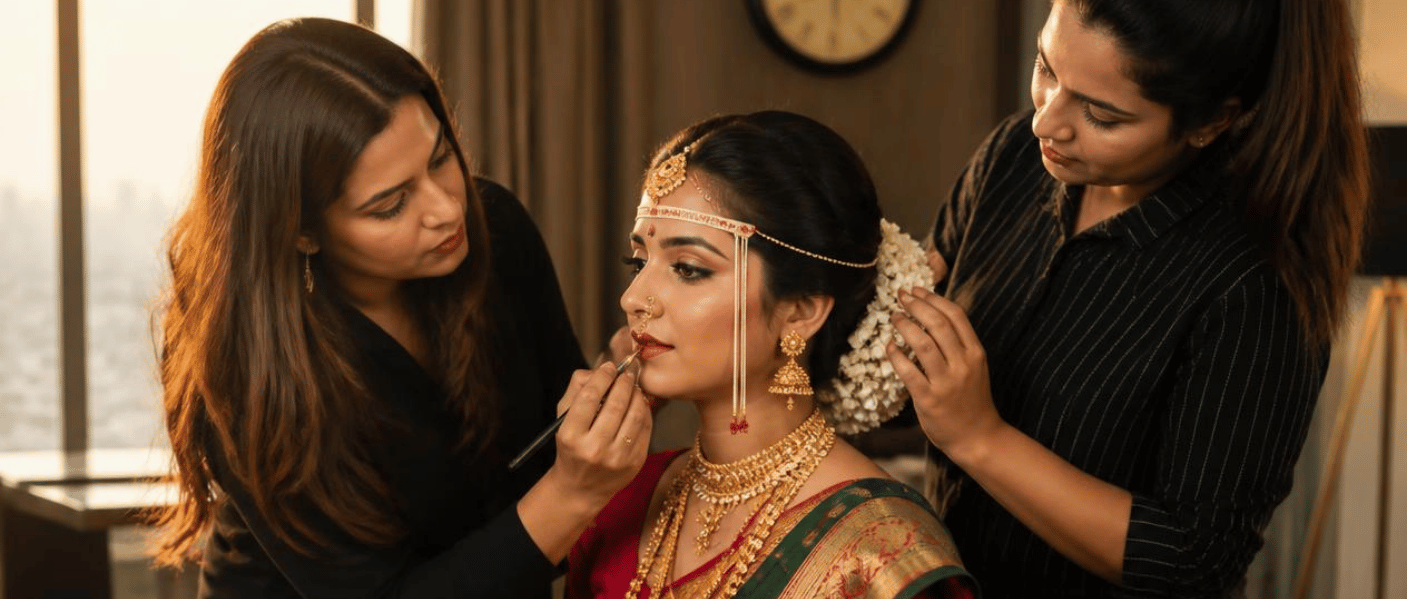
How Long Does Bridal Makeup Take
One of the most common questions brides ask before their wedding is: “How long does bridal makeup take?” The answer depends on much more than makeup alone. A complete bridal beauty session can involve skincare preparation, primer, foundation, eye makeup, lashes, contouring, blush, lipstick, hairstyling, saree draping, jewellery placement and final touch-ups. For a bride getting married in Mumbai, the schedule can become even more important because wedding venues may involve significant travel time, traffic, photography sessions and ceremonies that begin early in the morning. If your wedding ceremony starts at 9:00 AM, for example, you shouldn’t plan to finish your bridal makeup at 8:45 AM. You need enough time to get dressed, wear jewellery, complete your hairstyle, take bridal portraits and reach the ceremony area without feeling rushed. A good bridal timeline creates something every bride wants on her wedding morning: Rushing through makeup can increase stress and make it difficult for your makeup artist to give enough attention to important details. On the other hand, allowing realistic preparation time gives your artist enough opportunity to create a polished, comfortable and photography-ready look. The exact duration depends on your makeup style. A simple natural look may take less time than detailed traditional bridal makeup. HD and airbrush makeup may have different preparation and application requirements. Hairstyling and Nauvari saree draping can also add significant time. Your skin type, hair length, hairstyle complexity and number of wedding functions can further affect the schedule. In this guide, we’ll explain how long different bridal makeup services can take, how early you should start, how to create a wedding-day timeline, what can cause delays and how Mumbai brides can plan their morning without unnecessary stress. 1. How Long Does Bridal Makeup Usually Take? A complete bridal makeup appointment can commonly take around 1.5 to 3 hours, depending on the look, artist, preparation and services included. However, this is only a general planning range. Your complete bridal styling session may take longer when it includes: Makeup Hairstyling Saree draping Jewellery Hair accessories Gajra Mundavalya Photography Touch-ups Traditional Maharashtrian bridal styling may require additional time because of the detailed saree draping and accessories. A bride should therefore ask for a complete estimated preparation time, rather than asking only how long the makeup itself will take. 2. How Long Does Bridal Makeup Take Step by Step? A professional bridal makeup session can involve several stages. Skin Preparation Approximately 10–20 minutes depending on the routine. Primer and Base Approximately 15–25 minutes. Foundation and Concealer Approximately 15–25 minutes. Contour, Blush and Highlight Approximately 10–20 minutes. Eye Makeup Approximately 20–40 minutes. Eyelashes and Brows Approximately 10–15 minutes. Lip Makeup Approximately 5–10 minutes. Final Setting Approximately 5–10 minutes. The timing can vary significantly depending on the makeup style. A simple natural look may be quicker. A detailed traditional or glam look can require more time. 3. How Long Does Bridal Hairstyling Take? Hairstyling can take approximately 30–90 minutes or more, depending on the hairstyle. Factors include: Hair length Hair thickness Extensions Hair padding Braiding Bun complexity Accessories Flowers Gajra A traditional Maharashtrian bun with gajra may have a different preparation time from a contemporary open hairstyle. If you are using hair extensions, additional preparation may be required. Discuss the hairstyle during your trial so your makeup artist can estimate the timing accurately. 4. How Long Does Nauvari Saree Draping Take? For Maharashtrian brides, saree draping can be an important part of the schedule. A traditional Nauvari saree requires a specific draping technique. Depending on the draper and saree style, allow approximately 30–60 minutes as a planning window. Additional time may be needed for: Pleats Waist adjustment Pallu Safety pins Accessories Jewellery Final fitting Do not schedule saree draping immediately before you need to leave for the ceremony. Give yourself a buffer. 5. How Long Does HD Bridal Makeup Take? HD bridal makeup can take approximately 1.5–2.5 hours, depending on the artist and complexity of the look. HD makeup generally involves careful complexion work designed to look refined under high-resolution photography. Your artist may spend additional time on: Skin preparation Foundation matching Layering Concealer Blending Eye makeup Setting The exact duration depends on your desired look. Natural HD makeup may take less time than elaborate glam makeup. 6. How Long Does Airbrush Bridal Makeup Take? Airbrush makeup can also take approximately 1.5–2.5 hours, depending on the overall bridal look and additional services. The airbrush application itself is only one part of the process. The artist may still need to complete: Skin preparation Eye makeup Brows Lashes Blush Highlight Lips Setting Final detailing Don’t assume airbrush makeup automatically means a much faster appointment. The total timeline should include all components of your bridal look. 7. How Long Does Natural Bridal Makeup Take? Natural bridal makeup can sometimes be quicker than highly detailed glam makeup. A natural bridal look may include: Lightweight complexion Soft blush Natural brows Neutral eyeshadow Subtle eyeliner Natural lashes Soft lip colour Light highlighting Depending on the artist and hairstyle, allow approximately 1–2 hours for makeup, with additional time for hair and dressing. Natural doesn’t necessarily mean “quick.” The makeup still needs to be carefully blended and photography-ready. 8. How Long Does Full Glam Bridal Makeup Take? A detailed glam bridal look may take longer. You may have: Full complexion coverage Detailed contouring Smokey eyes Multiple eyeshadow shades False lashes Defined brows Strong blush Highlighter Bold lips Allow approximately 2–3 hours or more depending on complexity. If hairstyling and saree draping are also included, your complete preparation may take several hours. Always discuss the complete look with your artist during the trial. 9. Wedding-Day Timeline Example for a Maharashtrian Bride Let’s assume your wedding ceremony begins at 9:00 AM. A practical schedule might look like: 4:30 AM Wake up and complete your simple morning preparation. 5:00 AM Bridal makeup begins. 7:00 AM Makeup completed. 7:00–7:45 AM Hairstyling and final hair accessories. 7:45–8:15 AM Nauvari saree draping and outfit adjustments. 8:15–8:35 AM Jewellery, nath and mundavalya. 8:35–8:45 AM Final
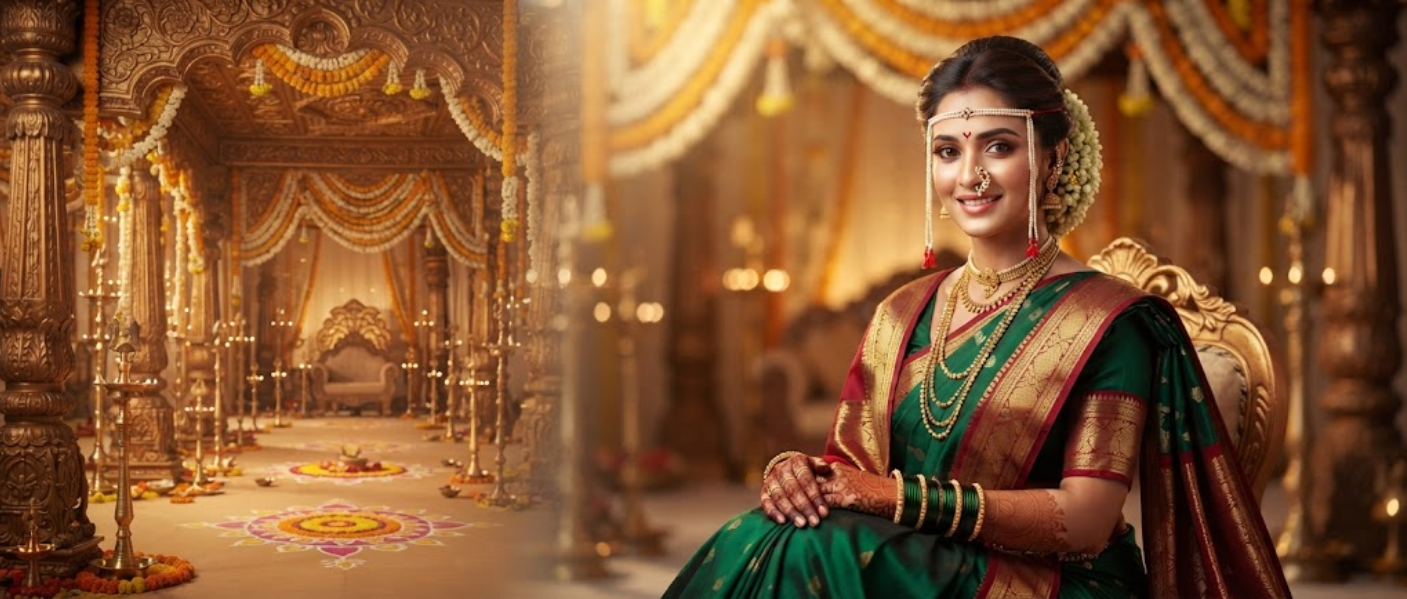
Best Bridal Hairstyles to Pair With Maharashtrian Wedding Makeup
A Maharashtrian bridal look is a beautiful combination of tradition, elegance and cultural identity. The Nauvari or Paithani saree, nath, mundavalya, chandrakor, traditional gold jewellery, green bangles and bridal makeup all contribute to the final appearance—but the hairstyle is what brings many of these elements together. The right hairstyle does much more than keep your hair in place. It frames your face, affects how your jewellery looks, creates space for the mundavalya and flowers, and can completely change the way your bridal makeup appears in photographs. For a traditional Maharashtrian bride, the classic flower-adorned bun remains one of the most timeless choices. However, modern brides are also exploring variations such as sleek low buns, textured buns, braided buns and contemporary floral hairstyles while maintaining traditional accessories. The important thing is coordination. A hairstyle that looks beautiful on its own may not work well with a large Maharashtrian nath or elaborate mundavalya. Similarly, a dramatic hairstyle may compete with heavy jewellery, while an overly simple hairstyle might not provide enough visual balance for an elaborate Paithani saree. Your makeup should also work with the hairstyle. Soft, luminous makeup may pair beautifully with a clean traditional bun. A more glamorous bridal makeup look may work with a polished sculpted bun or a slightly more contemporary hairstyle. Your wedding venue, saree, jewellery, face shape, hair length and personal style should all be considered before making the final decision. This guide covers the best Maharashtrian bridal hairstyles, how to pair them with different makeup styles, what works for Nauvari and Paithani sarees, and how to make your complete bridal look photography-ready. 1. Classic Maharashtrian Bun With Mogra Gajra The traditional bun decorated with fresh mogra or jasmine flowers is perhaps the most iconic hairstyle for a Maharashtrian bride. It creates a clean silhouette and keeps the face completely visible. This is especially useful when you’re wearing: Nath Mundavalya Chandrakor Large earrings Traditional necklaces The bun can be positioned at the back of the head or slightly lower depending on your face shape and hair length. Fresh flowers add softness to the structured bridal appearance. For makeup, this hairstyle pairs beautifully with: Defined kajal Warm bronze eyes Rose-red lips Soft contour The contrast between the structured hairstyle and soft flowers creates a timeless bridal appearance. 2. Sleek Low Bun for a Modern Maharashtrian Bride If you want a more contemporary appearance while keeping your traditional accessories, a sleek low bun can be an excellent choice. The hair is carefully smoothed and gathered into a low bun. This creates a polished appearance and allows your jewellery to become more prominent. It works particularly well with: Paithani sarees Contemporary Nauvari styling Minimalist jewellery Statement nath Modern bridal makeup Pair it with luminous skin, softly sculpted cheeks and defined eyes for a sophisticated 2026 bridal appearance. 3. Traditional Bun With Side Floral Arrangement Instead of surrounding the entire bun with flowers, you can create a more delicate floral arrangement along one side. This creates an elegant asymmetrical appearance. It works beautifully for brides who want: Traditional styling A softer appearance Visible hair texture More contemporary photography The floral arrangement can be coordinated with the wedding flowers. White jasmine is classic, while small roses can add colour. For makeup, consider soft glam: Warm eyes Defined lashes Peach-rose blush Soft sculpting 4. Braided Bun With Traditional Flowers A braid can add beautiful texture to a traditional bridal hairstyle. The hair can be braided before being wrapped into a bun. This creates a more detailed silhouette. A braided bun works particularly well if your wedding styling includes: Heavy jewellery Rich Paithani Traditional blouse Elaborate flowers Because the hairstyle already contains texture, your makeup can remain balanced. Try: Soft bronze eyes Defined brows Rose blush Classic red or rose-red lips 5. Textured Low Bun for Soft Glam Makeup A slightly textured bun provides a softer alternative to an extremely sleek hairstyle. Instead of making every strand perfectly smooth, the stylist creates controlled texture and volume. This pairs beautifully with soft glam makeup. Consider: Luminous foundation Soft contour Peach blush Bronze eyeshadow Defined lashes This look works particularly well for modern Maharashtrian brides who want tradition with a contemporary finish. 6. Traditional Bun With Full Gajra If you want a strongly traditional Maharashtrian appearance, a fuller gajra arrangement can create a beautiful effect. The white flowers create contrast against dark hair. They also complement: White mundavalya Gold jewellery Green bangles Traditional sarees A full gajra can become a major visual element. For that reason, the makeup should remain harmonious. Avoid making every feature extremely dramatic. 7. Maharashtrian Bridal Hairstyle With Mundavalya The mundavalya directly frames the face, which makes hairstyle planning particularly important. The hairstyle should provide enough stability for the accessory. The front hairline should remain neat without making the forehead look overly crowded. Your stylist should know: The mundavalya design Its length How it will be secured Where the hairline sits It’s a good idea to bring the actual mundavalya to the hairstyle trial. This allows the stylist to test the complete arrangement. 8. Hairstyle for Brides Wearing a Large Nath A large Maharashtrian nath naturally draws attention toward the centre of the face. Your hairstyle should therefore frame the face without competing with it. A clean bun works extremely well. Avoid excessive volume around the cheeks unless it has been carefully designed. A sleek or softly textured bun can allow the nath to remain the focal point. For makeup, consider: Defined eyes Soft contour Natural brows Rose lips When your nath is the statement piece, keep the hairstyle clean enough to frame rather than compete with it. 9. Hairstyles for Different Face Shapes Your face shape can influence the most flattering hairstyle. Round Face A slightly higher bun or subtle crown volume can create visual length. Oval Face Most traditional bun styles can work beautifully. Long Face A lower bun with balanced side volume can soften the overall appearance. Square Face Soft face-framing details can create a gentler look.
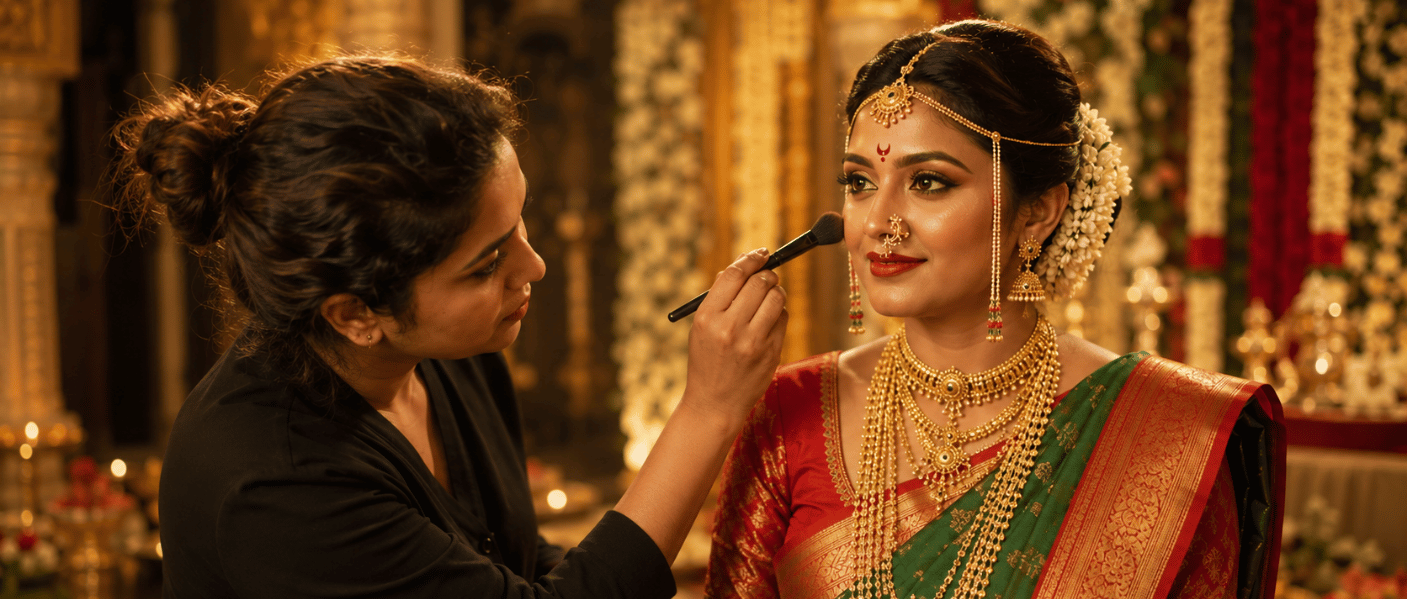
Bridal Makeup for Different Face Shapes
Every bride has unique facial features, and bridal makeup should be designed to complement those features rather than follow a one-size-fits-all formula. The shape of your face can influence how makeup techniques such as contouring, highlighting, blush placement, eyebrow shaping and eye makeup appear. Understanding your face shape can help you communicate your preferences to your makeup artist and choose a bridal look that feels balanced and natural. Common face shapes include oval, round, square, heart, oblong and diamond. Some people may also have a combination of characteristics rather than fitting perfectly into one category. For Indian brides, facial structure is only one part of bridal makeup planning. Your skin tone, undertone, skin type, hairstyle, jewellery, saree, wedding ceremony, lighting and personal style also affect the final look. This is particularly relevant for Maharashtrian brides wearing traditional styling. A Nauvari or Paithani saree, nath, mundavalya, chandrakor, gold jewellery and gajra hairstyle can create a strong visual frame around the face. Makeup should work with those elements rather than compete with them. Contouring can be useful, but it should not be excessive. Modern bridal makeup generally focuses on enhancing natural structure rather than dramatically changing the shape of the face. Similarly, blush placement can subtly influence how wide, lifted or elongated the face appears. Your bridal trial is the best opportunity to experiment with these techniques. Instead of asking your makeup artist to “make my face look smaller,” explain what you want to enhance. Perhaps you want more definition around your cheekbones, softer-looking jawlines, lifted eyes or a more balanced overall appearance. The right makeup can help create that effect while keeping your features recognisably yours. This guide explains how to identify common face shapes and how bridal makeup techniques can be adapted for each one, including practical tips for Indian and Maharashtrian brides. 1. How to Identify Your Face Shape Before changing your makeup, identify your general face shape. Stand in front of a mirror with your hair pulled away from your face. Look at: Forehead width Cheekbone width Jawline width Face length Chin shape You may have characteristics of more than one face shape. That’s completely normal. Oval Face is generally longer than it is wide, with balanced proportions. Round Face length and width are relatively similar, with softer jawlines. Square Forehead, cheekbones and jawline may appear similarly wide, with a stronger jaw. Heart Forehead may appear wider, while the chin is narrower. Oblong Face is noticeably longer than it is wide. Diamond Cheekbones are prominent, with a narrower forehead and jawline. Your makeup artist can also help you determine which techniques suit your features. 2. Bridal Makeup for an Oval Face Oval faces are generally well balanced, with the face slightly longer than it is wide. Because the proportions are naturally balanced, the goal is usually enhancement rather than significant correction. You can focus on: Soft contouring Natural blush Balanced brows Defined eyes Strategic highlighting Blush can be applied along the cheekbones and blended upward. Contour should remain subtle. The beauty of an oval face is its versatility. You can experiment with: Natural makeup Soft glam Traditional bridal makeup Dramatic eyes Bold lips Your hairstyle can also be varied depending on your outfit and jewellery. 3. Bridal Makeup for a Round Face Round faces generally have softer angles and a relatively similar width and length. Makeup can create subtle definition while preserving the natural softness of the face. Your artist may focus on: Light contour along the sides of the face Blush placed slightly higher on the cheeks Vertical eye makeup Defined brows Strategic highlighting Avoid overly strong horizontal blush placement if you want the face to appear more elongated. A soft lifted blush direction can create a more sculpted appearance. However, contour should remain natural. 4. Bridal Makeup for a Square Face Square faces often have a more defined jawline and stronger facial angles. The makeup goal can be to maintain that beautiful structure while creating soft transitions. Your artist may use: Soft contour around the outer jaw Blended bronzer Rounded blush placement Soft eye makeup Gentle highlighting Avoid overly harsh contour lines. Blending is particularly important. You want dimension rather than visible makeup stripes. A soft glam look can work beautifully with this face shape. 5. Bridal Makeup for a Heart-Shaped Face A heart-shaped face generally has a wider forehead and narrower chin. The goal can be to create visual balance between the upper and lower portions of the face. Your makeup artist may focus on: Soft forehead contour Blush toward the centre of cheeks Defined eyes Balanced lip colour Gentle chin highlighting Avoid making the forehead contour too obvious. The overall effect should remain soft and seamless. A bold lip can also add beautiful visual balance. 6. Bridal Makeup for an Oblong Face Oblong faces are generally longer than they are wide. The makeup strategy can focus on creating visual balance without making the face appear longer. Blush can be placed more horizontally across the cheeks rather than strongly angled upward. Your artist may also use: Soft contour around the forehead Gentle chin contour Fuller-looking blush placement Horizontal eye emphasis Hairstyle can also play an important role. Soft volume around the sides of the face can create balance. 7. Bridal Makeup for a Diamond Face Diamond-shaped faces typically have prominent cheekbones with a narrower forehead and jaw. Instead of hiding the cheekbones, makeup can enhance their natural structure. Your artist may focus on: Soft blush across cheekbones Minimal cheek contour Gentle forehead highlight Balanced jawline definition Defined eyes Because the cheekbones are naturally prominent, excessive contour may not be necessary. A luminous cheekbone can become one of the strongest features of the bridal look. 8. Contouring Should Be Subtle and Strategic Contouring can enhance facial structure. But bridal makeup does not require dramatic contour lines. A professional artist can use subtle shading around areas such as: Cheekbones Jawline Temples Nose The goal is to create natural-looking dimension. Strong contour may look different under different
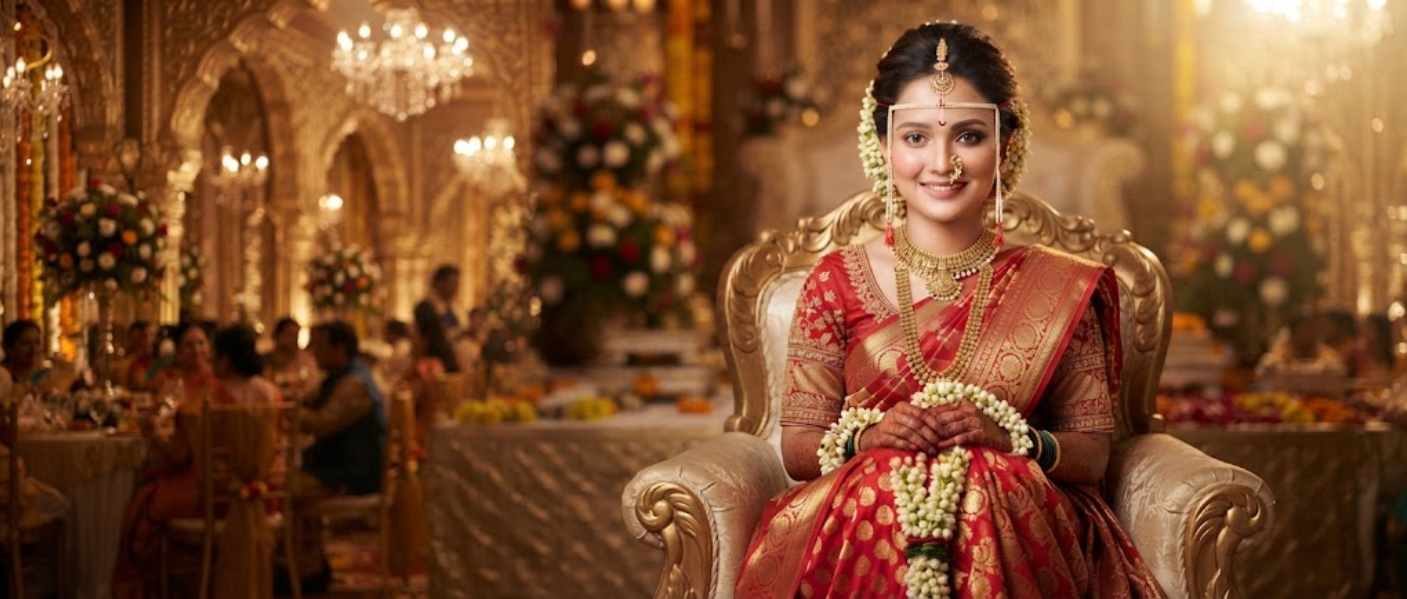
Natural Bridal Makeup vs Glam Bridal Makeup: Which Look Is Right for You?
Choosing your bridal makeup style can be surprisingly difficult. You may save dozens of bridal makeup photographs, follow makeup artists on Instagram, watch bridal transformation videos and still wonder: Should I choose natural bridal makeup or glam bridal makeup for my wedding? Both styles can look beautiful. Natural bridal makeup focuses on enhancing your existing features with a softer, more skin-like finish. Glam bridal makeup creates more definition through stronger eye makeup, sculpting, lashes, highlighting and often a more noticeable lip colour. But the decision isn’t simply about choosing between “light makeup” and “heavy makeup.” Your bridal makeup should consider your personality, facial features, skin type, wedding outfit, jewellery, venue, time of day, photography style and comfort level. A bride wearing a traditional Maharashtrian Nauvari or Paithani saree may want a classic look with defined kajal, warm eyes and a rose-red lip. Another bride wearing a pastel lehenga may prefer luminous skin, soft pink tones and subtle eye makeup. Similarly, a daytime outdoor wedding may suit a softer appearance, while an evening reception may allow a more glamorous finish. There is also a middle ground. You can choose soft glam bridal makeup—a look that gives you the definition and photography-readiness of glam makeup while keeping the skin and overall appearance relatively natural. The goal isn’t to follow a trend. The goal is to choose a bridal look that makes you feel confident and still feels like you. In this guide, we’ll compare natural and glam bridal makeup, explain the differences, discuss which style works for different wedding situations, and help you decide which bridal makeup look is right for you. 1. What Is Natural Bridal Makeup? Natural bridal makeup is designed to enhance the bride’s existing features rather than dramatically transform them. The finished look typically focuses on: Even-looking skin Soft blush Natural brows Subtle eye definition Soft contour Comfortable lip colour Controlled highlighting Natural bridal makeup does not mean wearing no makeup. Professional natural bridal makeup may still include foundation, concealer, lashes, eyeliner and setting products. The difference is the overall intensity. The makeup should feel polished without becoming the most noticeable part of your appearance. Natural bridal makeup can be particularly beautiful for brides who rarely wear makeup or prefer a minimalist aesthetic. Natural bridal makeup enhances your features while keeping the overall transformation subtle and refined. 2. What Is Glam Bridal Makeup? Glam bridal makeup is more defined and visually dramatic. It can include: Full or medium-full complexion coverage Stronger contouring Defined brows Smokey eyes Shimmer or metallic eyeshadow Dramatic lashes Strong eyeliner Glam does not necessarily mean extremely heavy makeup. Modern glam can still have luminous, realistic-looking skin. The difference is that the eyes, cheeks and lips usually have more definition. Glam makeup can be particularly effective for: Evening weddings Grand venues Reception parties Fashion-forward brides Brides who enjoy makeup Photography-heavy events Glam bridal makeup creates stronger definition while still allowing the bride’s natural features to remain recognisable. 3. Which Look Is Better for Wedding Photography? This is one of the biggest concerns brides have. Many brides assume glam makeup will always photograph better. That’s not necessarily true. Natural makeup can photograph beautifully when it has enough definition. Similarly, glam makeup can photograph beautifully when the products are well matched and blended. Your photographer’s lighting also matters. For professional wedding photography, consider: Foundation matching Eye definition Lip colour Blush Contour Highlight Shine control If makeup is too subtle, some features may disappear under certain lighting. If makeup is too heavy, close-up photographs may show excessive product. The best bridal makeup for photography is balanced makeup that maintains definition without looking artificial. 4. Natural Bridal Makeup: Who Is It Best For? Natural bridal makeup may be ideal if: You rarely wear makeup You prefer minimal beauty You want to look like yourself You prefer soft colours You are having a daytime wedding You are having an intimate ceremony You prefer a minimalist aesthetic Natural makeup can also be a good option if you don’t want your makeup to dominate your wedding photographs. The result should still have enough definition to work with professional photography. Choose natural bridal makeup if feeling like yourself is more important to you than creating a dramatic transformation. 5. Glam Bridal Makeup: Who Is It Best For? Glam makeup may be ideal if: You enjoy wearing makeup You want stronger definition You love dramatic eyes You want sculpted features Your wedding is in the evening You have a grand venue Your outfit is highly detailed Glam makeup can be particularly effective for reception photography. Strong eyes and lips can stand out beautifully under evening lighting. However, glamour should still be personalised. Choose glam bridal makeup if you enjoy a more defined, polished and dramatic beauty look. 6. What Is Soft Glam Bridal Makeup? Soft glam sits between natural and dramatic makeup. It has enough definition to feel glamorous without looking excessively heavy. A typical soft glam look may include: Luminous complexion Soft contour Warm blush Bronze eyeshadow This is one of the most versatile bridal styles. Soft glam gives you bridal definition while maintaining a relatively natural overall appearance. 7. Natural vs Glam for Daytime Weddings Daylight can reveal more detail. This often makes softer makeup particularly attractive. For daytime weddings, consider: Natural Lightweight base Soft blush Brown or bronze eyes Rose lips Minimal highlight Soft Glam Medium coverage Bronze eyes Defined lashes Stronger blush Full Glam Possible, but should be carefully balanced with natural light. Outdoor daylight can make strong contour and heavy foundation more visible. Daylight generally rewards well-blended, controlled makeup with natural-looking dimension. 8. Natural vs Glam for Evening Weddings Evening weddings provide more freedom. Artificial lighting can support stronger makeup. For an evening event, you can increase: Eye definition Lashes Contour A glam look can work beautifully in: Hotel ballrooms Banquet halls Luxury venues Natural makeup can still work if you prefer understated beauty. Evening weddings give you more room to increase glamour, especially around the eyes and
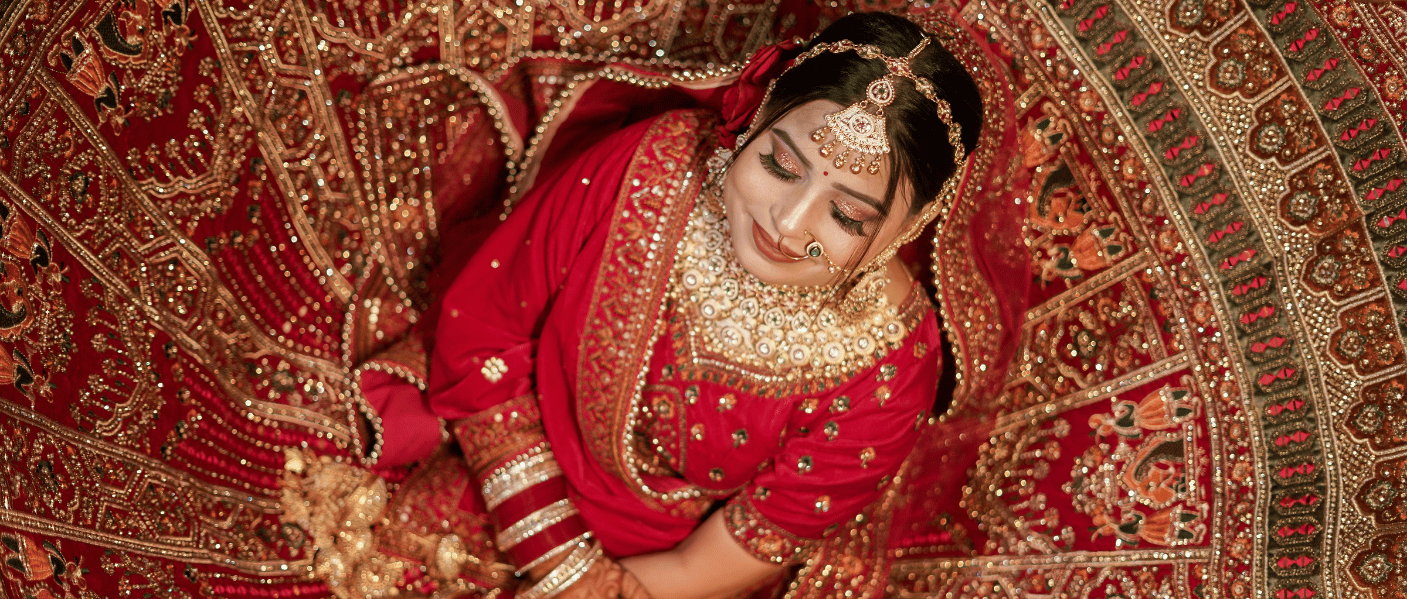
Bridal Makeup for Dusky Skin Tone
Every bride deserves bridal makeup that celebrates her natural complexion rather than trying to change it. For Indian brides with dusky, deeper or medium-deep skin tones, choosing the right makeup shades can make a significant difference to the final bridal look. The right foundation match, blush, eyeshadow, lipstick and highlighter can create a complexion that looks radiant, balanced and beautiful in both person and photographs. The goal of bridal makeup is not to make your skin appear lighter. Instead, professional bridal makeup should enhance your natural skin tone, create dimension and bring harmony between your complexion, outfit, jewellery and overall bridal styling. This becomes especially important for Indian weddings because bridal outfits often feature rich colours such as red, maroon, green, gold, purple and magenta. Traditional jewellery can also be visually bold. A well-planned makeup look helps all these elements work together. For brides in Mumbai, factors such as humidity, wedding lighting, venue, photography and long event hours should also be considered. Your makeup may need to look beautiful under natural daylight, indoor lighting, flash photography and cinematic video lighting. Dusky skin can look particularly stunning with warm bronze eyes, rich berry lips, terracotta blush, deep rose tones and carefully placed golden or champagne highlights. However, there is no single “dusky skin bridal makeup” palette. Every complexion is different. Undertone, depth, skin type and personal preference all matter. Some brides may have warm golden undertones, while others may have neutral or cooler undertones. This guide explains how to choose bridal makeup shades for dusky Indian skin tones, which colours can complement different undertones, how to avoid common foundation mistakes, and how to create natural, soft-glam and traditional Maharashtrian bridal looks that photograph beautifully. 1. Understanding Dusky and Deeper Indian Skin Tones Indian skin tones exist across a broad spectrum. Terms such as: Dusky Deep Medium-deep Brown Deep brown can describe many different complexions. But skin depth is only one part of choosing makeup. Your undertone is equally important. You may have: Warm Undertone Golden, yellow or olive characteristics. Neutral Undertone A balance between warm and cool tones. Cool Undertone Pink, red or bluish characteristics. Two brides with a similar skin depth can therefore require completely different foundation and colour choices. This is why choosing makeup solely by looking at a photograph online can be unreliable. A professional makeup artist should assess your actual complexion in person and under suitable lighting. 2. Foundation Matching Is the Most Important Step Foundation should match your skin rather than attempting to make it lighter. A mismatched foundation can create: Grey appearance Ashy complexion Orange appearance Face-and-neck mismatch Uneven photographs For bridal makeup, the artist should check the shade across the face and neck. The foundation should also be tested under different lighting. Natural daylight Indoor lighting Camera lighting Flash photography A shade that looks correct in one environment may appear different in another. Your bridal trial is the ideal time to test the final foundation. 3. Don’t Try to Lighten Your Natural Skin Tone One of the most important principles of modern bridal makeup is to work with your complexion. Your bridal makeup should not make your face appear artificially lighter than your neck or body. Instead, focus on: Even complexion Correct undertone Natural dimension Balanced highlighting Beautiful colour harmony A professional makeup artist can create brightness through strategic highlighting rather than using a foundation that is several shades lighter. This approach generally produces a more natural result. 4. Best Blush Shades for Dusky Skin Blush can add beautiful warmth and dimension to deeper Indian skin tones. Good colours to explore include: Terracotta Burnt peach Warm coral Deep rose Berry Plum Brick Rust The exact shade should complement your undertone and bridal colour palette. For example: Warm Skin Terracotta, burnt peach and warm coral. Neutral Skin Rose, mauve and soft berry. Cooler Skin Berry, plum and deeper rose. Blush should be visible in photographs without looking like a separate block of colour. 5. Eyeshadow Colours That Complement Deeper Skin Deeper Indian skin tones can beautifully carry rich and vibrant eye colours. Popular bridal choices include: Bronze Copper Gold Chocolate brown Warm brown Burgundy Plum Rose gold Champagne Deep emerald For a traditional Maharashtrian bride, warm bronze and gold can complement gold jewellery beautifully. For a modern bride, chocolate brown, copper and soft berry shades can create sophisticated depth. The intensity should depend on your overall bridal look. 6. Gold and Bronze Can Look Beautiful on Dusky Skin Gold and bronze are classic bridal colours. They can complement deeper Indian skin beautifully when applied strategically. Consider: Soft Bronze Perfect for natural or soft-glam bridal makeup. Antique Gold Beautiful with traditional Maharashtrian jewellery. Copper Excellent for warmer undertones. Champagne Gold Useful for a modern luminous effect. Avoid automatically applying extremely bright shimmer across the entire eyelid. Strategic placement often looks more sophisticated. 7. Best Lipstick Shades for Dusky Indian Brides Lip colour can completely change a bridal look. Beautiful options include: Classic red Deep red Brick red Rose red Berry Plum Wine Mauve Terracotta Brown-rose Nude-rose For traditional Maharashtrian bridal makeup, rich red and rose-red lips can create a timeless appearance. For modern bridal makeup, mauve, berry and brown-rose shades can look sophisticated. The best lipstick is one that works with your undertone and outfit. 8. Nude Lipstick Doesn’t Mean One Colour “Nude” means different things for different skin tones. A nude lipstick should complement your natural complexion rather than making the lips disappear. For deeper Indian skin tones, consider: Brown-rose Caramel nude Warm mauve Cocoa rose Terracotta nude Deep peach-brown A lip liner can also help create definition. For bridal photography, completely pale beige lips may appear washed out against deeper skin. A slightly richer nude often creates better balance. 9. Highlighter for Dusky Skin Highlighter can create beautiful dimension. For deeper skin tones, consider: Gold Bronze Champagne Warm copper The best highlighter depends on your undertone. Avoid choosing an extremely pale highlighter simply because it looks bright in the packaging. A shade that
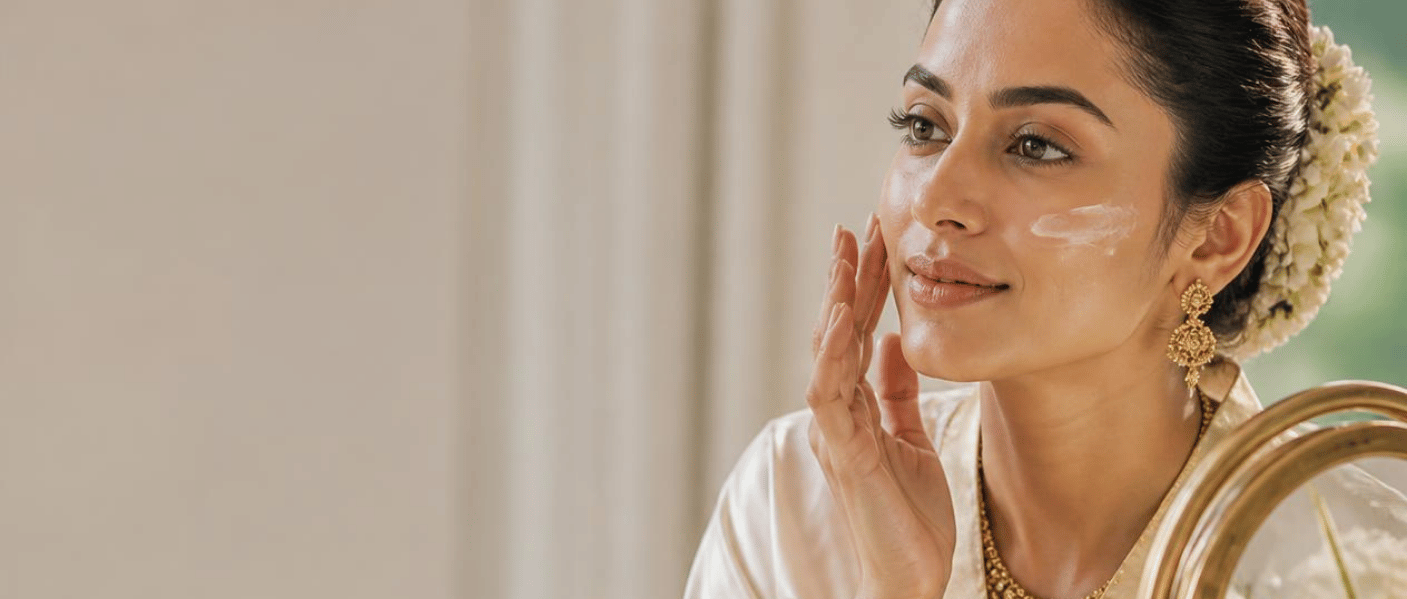
30-Day Bridal Skincare Guide
Every bride wants her wedding makeup to look smooth, fresh, radiant and beautiful in photographs. But great bridal makeup doesn’t begin when the makeup artist opens a foundation bottle. It begins much earlier—with how you prepare and care for your skin before the wedding. A good bridal skincare routine can help your skin feel comfortable, hydrated and well prepared for professional makeup. When the skin is properly cared for, makeup can often sit more evenly and look more natural. This is especially important for brides who will spend several hours wearing makeup during ceremonies, photography sessions and celebrations. However, preparing your skin for bridal makeup doesn’t mean you need a complicated 20-step skincare routine. In fact, doing too much too close to your wedding can sometimes create unnecessary problems. Introducing unfamiliar products, aggressive exfoliation or intensive treatments shortly before the wedding may cause irritation, dryness or unexpected reactions. The better approach is to start early and keep things consistent. If your wedding is 30 days away, you have enough time to establish a simple routine focused on cleansing, moisturising, sun protection and maintaining your skin’s normal comfort. You can also use this period to understand how your skin behaves and communicate any concerns with a qualified skincare professional if needed. For brides in Mumbai, environmental factors such as heat, humidity, pollution and sun exposure can also influence how your skin feels before makeup. This guide provides a practical 30-day bridal skincare routine, including what to do four weeks before your wedding, what to focus on during the final week, what to avoid on the wedding morning, and how to arrive at your makeup appointment with clean, comfortable and well-prepared skin. Remember: the goal isn’t “perfect skin.” The goal is healthy-looking, comfortable skin that provides a good canvas for your bridal makeup. 1. Start Your Bridal Skincare Routine 30 Days Before the Wedding Thirty days before your wedding is a good time to take a step back and evaluate your existing skincare routine. Don’t immediately buy a collection of new products. Instead, ask yourself: Is my skin usually dry, oily or combination? Do I experience occasional breakouts? Does my skin become irritated easily? Am I consistent with moisturiser? Do I use sunscreen? Have I recently introduced any new products? Does my current routine feel comfortable? The first principle of bridal skincare is consistency. Your skin doesn’t need a completely different routine simply because your wedding is approaching. A basic routine can include: Morning Gentle cleanser Moisturiser Sunscreen Evening Gentle cleanser Moisturiser Depending on your existing routine and skin needs, you may already use additional products. If you have persistent or significant skin concerns, consider consulting a qualified dermatologist rather than experimenting with strong treatments yourself. Your wedding is not the ideal time to test random viral skincare hacks. 2. Keep Your Skin Clean but Don’t Over-Cleanse Cleansing is one of the basic foundations of skincare. Your goal is to remove everyday dirt, excess oil, sunscreen and makeup without leaving your skin feeling excessively dry or tight. Choose a cleanser that you already know works comfortably for your skin. If your skin feels: Tight Burning Extremely dry Unusually sensitive after cleansing, your routine may need to be reconsidered. Brides with oily skin sometimes make the mistake of cleansing too aggressively because they want to remove every trace of oil. But excessively stripping the skin can make it uncomfortable and may disrupt the skin barrier. Similarly, brides with dry or sensitive skin may benefit from gentler cleansing. Your makeup artist will appreciate arriving at skin that is clean but not irritated. What to Avoid Don’t scrub your face aggressively. Don’t repeatedly wash your face throughout the day simply because your wedding is approaching. Don’t introduce a strong cleanser just days before the wedding. 3. Moisturise Regularly for a Better Makeup Base Moisturising is particularly important when preparing for bridal makeup. Well-maintained skin can feel more comfortable and may provide a smoother canvas for makeup application. However, moisturisation doesn’t mean applying the heaviest cream you can find. Your moisturiser should be appropriate for your skin type. Thin foundation layers Targeted concealer Soft powdering Cream blush Subtle highlighting Natural texture Dry Skin A richer moisturiser may feel more comfortable. Oily Skin A lightweight moisturiser may be preferable. Combination Skin You may need different amounts of moisturiser in different areas. Sensitive Skin Stick to products that you already know your skin tolerates. Don’t suddenly introduce an unfamiliar moisturiser one week before the wedding. Your makeup artist can also tell you what type of skin preparation they prefer before your appointment. 4. Sunscreen Should Be Part of Your Bridal Routine Sun exposure can influence the appearance and comfort of your skin. If you are preparing for your wedding, consistent sun protection is an important part of a basic daytime skincare routine. This becomes especially relevant if you’re spending time outdoors for: Wedding shopping Venue visits Pre-wedding photography Travel Outdoor functions Mehendi Haldi Use a sunscreen that you already know works for your skin. Don’t wait until the week of the wedding to test a new product. Also remember that sunscreen isn’t a substitute for physical protection. When appropriate, use: Hats Umbrellas Shade Protective clothing Your skin preparation should focus on maintaining your normal routine rather than attempting a dramatic transformation in a few days. 5. Hydration Matters More Than a Complicated Routine When people talk about bridal skincare, they often focus on expensive treatments and elaborate routines. But basic hydration remains important. This includes: Regular water intake Adequate sleep Comfortable skincare Balanced meals Avoiding unnecessary skincare experiments Hydration isn’t a magical solution for every skin concern. But maintaining normal hydration and a consistent skincare routine can help you feel better prepared for your wedding. You should also remember that your skin can change depending on: Weather Stress Sleep Hormonal changes Travel Diet New products If something changes significantly, don’t panic. Give your skin time and consider professional advice if necessary. 6. Be Careful With Exfoliation Exfoliation
Engagement Makeup vs Wedding Makeup: What’s the Difference?
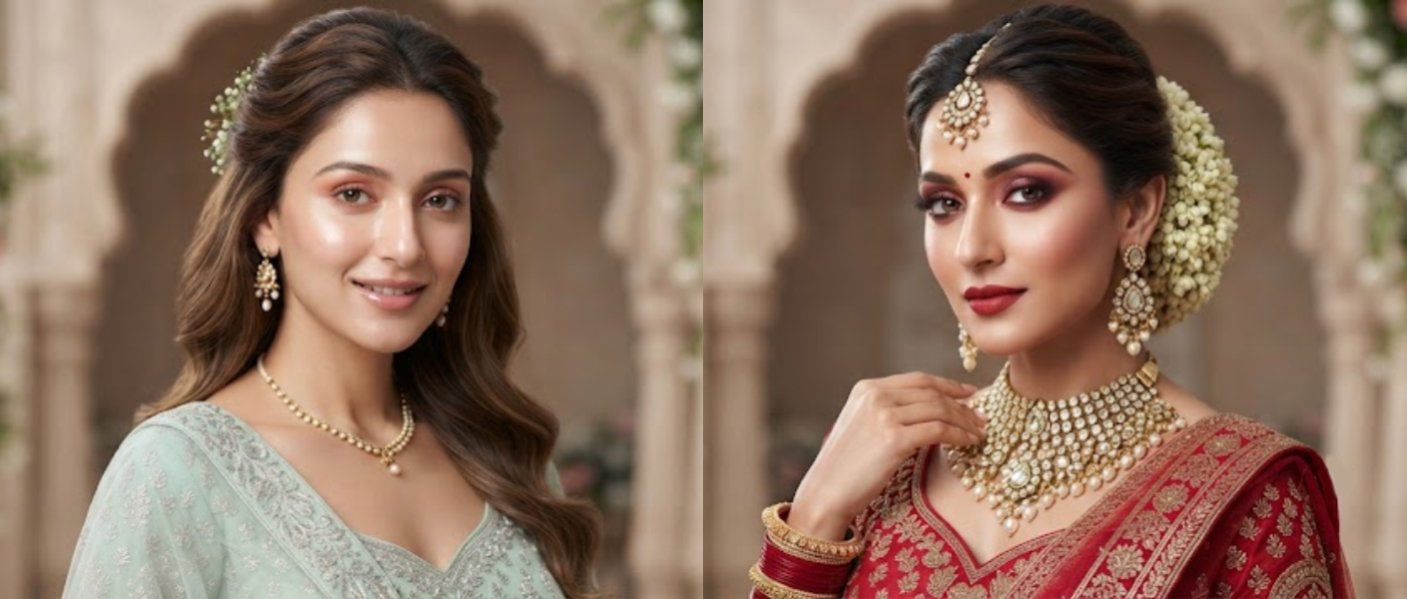
Your engagement and wedding are two of the most important celebrations in your life, but they don’t necessarily need the same makeup look. Many brides make the mistake of treating engagement makeup and wedding makeup as interchangeable. After all, both events involve professional photography, beautiful outfits, jewellery, family celebrations and plenty of attention. However, the styling requirements for an engagement ceremony can be quite different from those of the main wedding. Engagement makeup is often softer, more contemporary and more personalised, while wedding makeup usually requires stronger definition, longer wear and styling that complements traditional bridal attire and jewellery. The difference isn’t simply about applying more or less makeup. Your engagement outfit may be a pastel lehenga, designer saree or contemporary gown, while your wedding outfit may be a traditional Paithani, Nauvari saree or elaborate bridal ensemble. Your jewellery may also change significantly between the two occasions. The time of day matters too. A daytime engagement may suit fresh, luminous makeup, while an evening engagement can accommodate more glamorous eye makeup. Similarly, a traditional morning wedding may call for a refined and culturally appropriate bridal look, while a reception may require a more dramatic finish. Photography also plays an important role. Both looks need to be camera-friendly, but the makeup can be adapted according to the lighting, venue and photography style. For brides in Mumbai, there are additional considerations such as weather, humidity, venue size, travel and the length of the event. In this guide, we’ll explain the key differences between engagement makeup vs wedding makeup, how to choose the right look for each occasion, which makeup techniques can work best, how hairstyles and jewellery influence the final appearance, and whether you should book the same makeup artist for both events. 1. Engagement Makeup Is Usually Softer and More Contemporary Your engagement is often an opportunity to experiment with a more modern bridal aesthetic. Unlike the main wedding ceremony, you may not be wearing heavily traditional jewellery or a very elaborate bridal outfit. This gives you more freedom. A typical engagement makeup look may focus on: Fresh luminous skin Soft glam eyes Neutral or rosy lips Subtle contouring Natural brows Defined lashes Soft blush Contemporary hairstyle For example, if you’re wearing a pastel pink lehenga, champagne saree or modern designer outfit, a soft glam makeup look can create a sophisticated appearance. The goal is usually to look polished without creating the full traditional bridal transformation. This doesn’t mean engagement makeup should be extremely light. Your engagement photographs may include professional close-ups, portraits and video, so your features still need enough definition to photograph beautifully. The ideal look should sit somewhere between everyday makeup and full bridal glamour. Engagement makeup is a great opportunity to create a softer, modern version of your bridal beauty style. 2. Wedding Makeup Usually Has More Definition Wedding makeup generally needs to create a stronger visual impact. The bride may be wearing elaborate jewellery, a traditional saree, a veil, flowers and other bridal accessories. The makeup therefore needs enough definition to balance the entire look. Wedding makeup may include: More perfected complexion Defined eyes Stronger contouring More visible blush Highlighting False lashes Defined brows Richer lipstick Long-wear products The makeup doesn’t necessarily have to be heavy. Modern wedding makeup can still look natural while being more structured. For a Maharashtrian bride, traditional elements such as the nath, mundavalya, chandrakor and gold jewellery already make the look visually rich. The makeup should enhance these elements without overwhelming them. The wedding makeup may also need to remain intact for several hours of ceremonies, photography and family celebrations. Wedding makeup generally needs more definition because the bride’s outfit, jewellery and photography are more elaborate. 3. Engagement Makeup Depends Heavily on Your Outfit Your outfit should influence your makeup. For an engagement, brides often wear lighter colours and contemporary silhouettes. Popular engagement colours include: Blush pink Peach Champagne Lavender Ivory Powder blue Emerald Pastel green These colours often pair beautifully with soft glam makeup. For example: Pastel Pink Outfit Try rosy blush, champagne eyes and pink-nude lips. Emerald Green Outfit Try bronze eyes, peach blush and warm rose lips. Champagne Outfit Try golden eyeshadow, soft contouring and nude-rose lips. Red Outfit Try defined eyes and a classic red or berry lip. The makeup doesn’t need to match the outfit exactly. Instead, the colours should complement each other. Use your engagement outfit as the starting point for choosing your makeup colour palette. 4. Wedding Makeup Must Work With Your Bridal Jewellery Wedding jewellery can dramatically change the appearance of your face. Traditional Indian bridal jewellery is often much heavier than engagement jewellery. For Maharashtrian brides, pieces such as the nath, thushi, tanmani, saaj, earrings, green bangles and mundavalya create a strong traditional appearance. Your makeup should work with these details. For example, a large nath naturally draws attention toward the centre of the face. This means the complexion, brows, eyes and lips need to be balanced carefully. The same applies to statement earrings. Very heavy eye makeup combined with extremely dramatic jewellery can sometimes make the face look visually crowded. A professional makeup artist should consider the complete bridal look rather than designing makeup independently. Your wedding makeup should be designed around your complete bridal styling—not just your face. 5. Engagement Makeup Can Be More Experimental Your engagement is an excellent opportunity to try something different. You may want: Soft pink eyes Glossy lips Smokey eyes Hollywood glam Dewy skin Monochromatic makeup Modern sculpting Minimal makeup Because the engagement outfit is often different from the wedding outfit, you can create a completely separate beauty identity. For example: Engagement: Soft glam + champagne lehenga + loose waves Wedding: Traditional Maharashtrian makeup + Paithani + nath + mundavalya This creates visual variety across your wedding photographs. It also allows you to express different aspects of your personality. Think of engagement makeup as your modern bridal look and wedding makeup as your signature bridal look. 6. Wedding Makeup Needs Greater Longevity One of
Bridal Makeup Trends Mumbai 2026
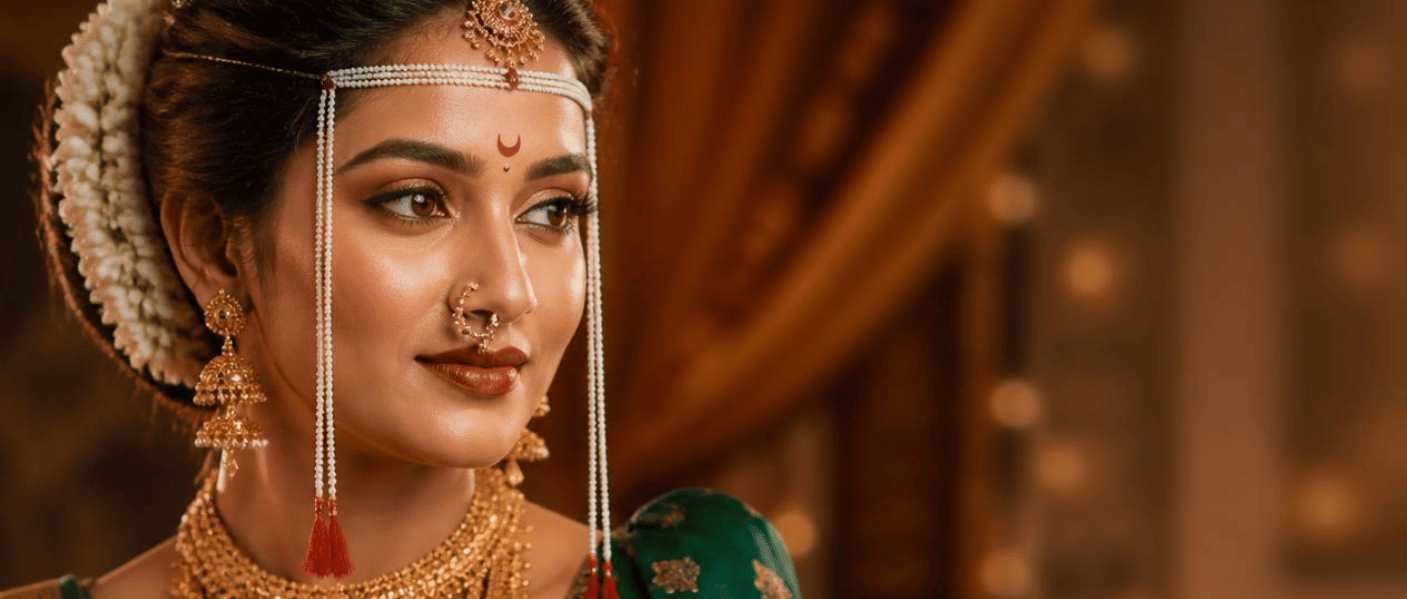
Bridal makeup in Mumbai is changing. The traditional idea of bridal beauty was once strongly associated with heavy coverage, sharply sculpted faces, dramatic eyes and extremely defined makeup. While those classic elements will always have a place in Indian weddings, 2026 is bringing a noticeably softer and more personalised approach. Today’s brides increasingly want to look like themselves—just more polished, radiant and confident. Current 2026 beauty coverage highlights a move toward skin-first makeup, softer sculpting, blurred complexion finishes, personalised colour palettes and makeup that feels comfortable rather than overly constructed. For Mumbai brides, this evolution is particularly interesting because bridal makeup has to work across very different environments. A bride may have a daytime Haldi, an evening Sangeet, a traditional Maharashtrian wedding and a glamorous reception—all within a few days. Mumbai’s weather can also influence makeup choices. Heat, humidity, outdoor photography, long ceremonies and high-resolution cameras mean that bridal beauty needs to balance aesthetic appeal with performance. In 2026, the biggest trend isn’t simply one lipstick colour or one eye-makeup technique. The bigger trend is personalisation. Brides are choosing makeup according to their facial features, skin, outfit, jewellery, wedding venue and personality rather than copying one standard bridal face. From soft sculpted skin and modern Maharashtrian bridal makeup to blurred lips, warm monochromatic tones, refined brows and understated glamour, here are the top bridal makeup trends in Mumbai for 2026. 1. Skin-First Bridal Makeup One of the strongest bridal beauty trends for 2026 is a greater focus on skin. Instead of trying to completely transform the complexion with heavy layers of foundation and contour, modern bridal makeup focuses on creating skin that looks healthy, refined and naturally luminous. The philosophy is simple: Skin first. Makeup second. This means proper skin preparation becomes increasingly important. The final complexion should ideally look: Smooth Comfortable Even Fresh Naturally radiant Appropriate for close-up photography Current 2026 bridal beauty coverage specifically identifies healthier-looking skin and longer-term skin preparation as major priorities for brides. This doesn’t mean brides need perfect skin. Professional makeup can still be used to address uneven tone, pigmentation or other visible concerns. The difference is that the final result should retain some natural dimension and texture instead of looking like a completely artificial mask. For Mumbai brides, this trend can also be practical because lighter, carefully layered makeup may feel more comfortable during long celebrations. A Maharashtrian bridal look is created by coordinating makeup, saree, jewellery and hairstyle—not by treating each element separately. 2. Soft Sculpted Skin Instead of Heavy Contouring Contouring isn’t disappearing in 2026. It’s simply becoming softer. Instead of sharply carved cheekbones and strong lines, brides are increasingly choosing subtle sculpting that enhances their natural facial structure. The goal is: Definition without obvious makeup lines. A makeup artist may use soft contouring around: Cheekbones Jawline Nose Forehead The colour should blend seamlessly into the foundation. Blush can then be placed strategically to add freshness and dimension. This approach photographs beautifully because it maintains facial structure without making the bride appear overly sculpted. Current 2026 makeup reporting describes soft sculpted skin as replacing some of the more controlled complexion styles of previous seasons. 3. Soft, Blurred and “Real Skin” Complexion One of the biggest shifts in 2026 makeup is the move away from excessively perfect-looking skin. Instead of a completely flat, heavily powdered complexion, modern makeup increasingly embraces a soft-focus effect. The skin looks polished without looking artificial. This can involve: Thin foundation layers Targeted concealer Soft powdering Cream blush Subtle highlighting Natural texture The result is sometimes described as a soft-blurred complexion. It looks especially beautiful in professional wedding photography because the skin retains dimension. This is particularly useful for brides who don’t want to look heavily made up. 4. Soft Glam Is Replacing Overly Dramatic Bridal Makeup Soft glam continues to be one of the most versatile bridal styles for 2026. It sits between natural makeup and full glamour. The look usually combines: Refined complexion Soft contour Warm eyeshadow Defined lashes Groomed brows Blush Natural-looking lip colour For brides who want their makeup to look elegant rather than obviously dramatic, soft glam is a strong choice. 5. Monochromatic Bridal Makeup One of the most elegant trends appearing in 2026 makeup is the use of a single colour family across different areas of the face. For example: Peach eyes + peach blush + peach lips or: Rose eyes + rose blush + rose lips or: Terracotta eyes + terracotta blush + warm terracotta lips This creates a cohesive appearance. It is particularly effective for bridal makeup because it prevents the face from looking visually disconnected. The colour palette can also be chosen to complement the bridal outfit. For example: Green Paithani Warm rose or terracotta tones. Red Saree Berry, rose or warm red tones. Pastel Lehenga Peach, pink or soft mauve. Gold Saree Warm bronze, peach or champagne. Current 2026 makeup coverage identifies monochromatic colour use as an important direction in occasion and bridal beauty. 6. Blurred and Stained Lips Perfectly outlined, extremely sharp lipstick edges are becoming less essential in 2026. A softer lip can create a more modern appearance. The idea is to make the lips look naturally full and healthy rather than heavily drawn. Popular approaches include: Stained lips Blurred edges Sheer lipstick Satin textures Soft berry Rose Brick Terracotta Wine Current 2026 bridal coverage highlights stained, softer lips as an emerging direction, with less emphasis on rigid outlines. For a traditional Maharashtrian bride, this doesn’t mean abandoning red lipstick. A classic red can simply be applied with softer edges or a more natural satin finish. 7. Groomed, Natural-Looking Brows Brows continue to frame the face, but 2026 bridal beauty is moving toward a softer brow. Instead of extremely dark, sharply drawn brows, brides can opt for: Groomed brows Soft filling Natural hair-like strokes Gentle definition Flexible brow gel The goal is to preserve the natural structure of the eyebrows. This is especially important for bridal makeup because overly strong brows can dominate the face.