
Introduction
Every bride deserves to feel beautiful and confident on her wedding day. The right bridal makeup enhances natural features, complements the wedding outfit and creates a polished appearance that looks beautiful in person and in photographs. However, choosing the perfect makeup involves more than following a trend or selecting a foundation shade that looks good in a product image.
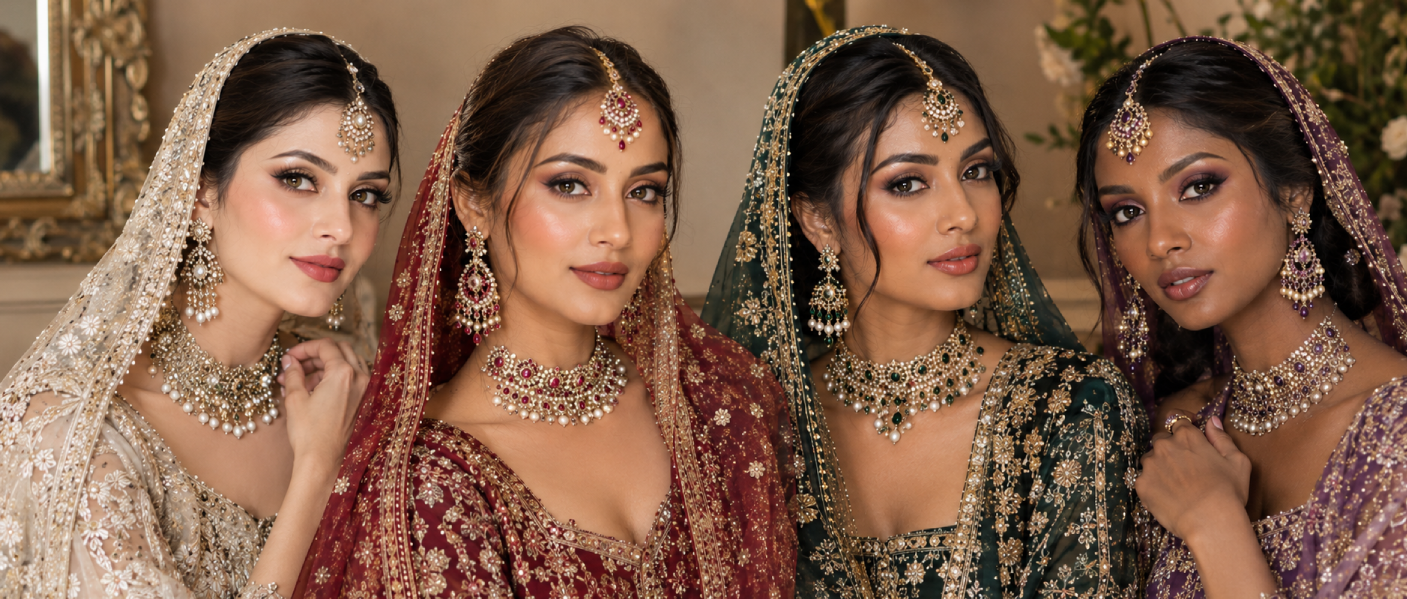
Bridal Makeup for Different Skin Tones requires an understanding of skin depth, undertones, skin type, outfit colours and wedding lighting. Fair, medium, wheatish, dusky and deep complexions can all look stunning with the right foundation, blush, eye makeup and lipstick combinations.
For brides planning their wedding in Mumbai, makeup selection should also account for humidity, long ceremonies, venue lighting and photography requirements. A foundation that looks perfect under indoor lighting may appear different in natural daylight or camera flash.
Shades of Beauty by Asmita offers customized bridal makeup designed around individual features, preferences and wedding outfits. Whether you prefer natural bridal makeup, soft glam, HD makeup or a traditional glamorous look, understanding your complexion can help you make informed decisions and communicate your expectations clearly to your makeup artist.
1. Understanding Skin Tone and Undertone Before Choosing Bridal Makeup
Before selecting bridal makeup, it is important to understand the difference between skin tone and undertone. These two factors influence how foundation, blush, lipstick and eyeshadow appear on your face.
Skin tone refers to the visible depth of your complexion. It can range from very fair and fair to light-medium, medium, wheatish, tan, dusky and deep.
Skin undertone refers to the subtle colour beneath the skin’s surface. Common undertones include warm, cool, neutral and olive.
Two brides with a similar skin depth may need different foundation shades because their undertones differ. A medium-complexioned bride with golden undertones may look best in a different foundation from a medium-complexioned bride with cool or olive undertones.
When planning bridal makeup, consider both factors instead of choosing a product based only on whether your skin is fair, medium or dark.
The aim is not to change your natural complexion. It is to create an even, harmonious finish that complements your features and photographs naturally.
2. Bridal Makeup for Fair Skin Tones
Fair skin can work beautifully with soft, romantic makeup as well as more dramatic bridal looks. The key is to choose shades that complement the complexion without making the face look overly pale, flat or heavily powdered.
A well-matched foundation should blend naturally into the face and neck. Choosing a foundation that is too light can create an artificial appearance, particularly when the bride’s neck or chest has a slightly different colour.
Soft pink, peach, rose and neutral blush shades can create a fresh bridal finish. For the eyes, champagne, warm brown, rose gold and softly blended smoky shades can complement many fair complexions.
Lipstick can be selected according to the outfit and the desired level of glamour. Classic red, rose, mauve, pink and berry shades can all work well when chosen thoughtfully.
For traditional red bridal outfits, a defined eye and classic red lip can create a timeless appearance. For pastel outfits, softer pink or rose makeup may create a more delicate look.
The most important consideration is balance. Avoid choosing every product in a very pale shade simply because the complexion is fair. The correct depth and undertone help create dimension and a natural finish.
3. Bridal Makeup for Medium and Wheatish Skin Tones
Medium and wheatish complexions are common across India and can have a variety of undertones, including golden, peachy, neutral and olive. This means that two brides described as wheatish may not need the same foundation or makeup palette.
The foundation should match the bride’s actual skin depth and undertone rather than making the face look lighter. A seamless transition between the face, jawline and neck is especially important for bridal photography.
For eye makeup, warm brown, bronze, copper, champagne and rose-gold shades can create beautiful results. Neutral or softly smoky eyes can also complement traditional outfits and evening wedding looks.
Blush shades such as peach, warm rose and terracotta may work well, depending on the bride’s undertone and personal preference. Lipstick can range from rose and coral to classic red, berry and warm nude.
For a red or maroon bridal outfit, defined eyes with a coordinated lip colour can create a traditional appearance. For a pastel lehenga, a soft glam finish may provide a balanced, contemporary look.
Rather than assuming that every wheatish complexion needs warm makeup, assess the individual undertone and test the selected shades in suitable lighting.
4. Bridal Makeup for Dusky Skin Tones
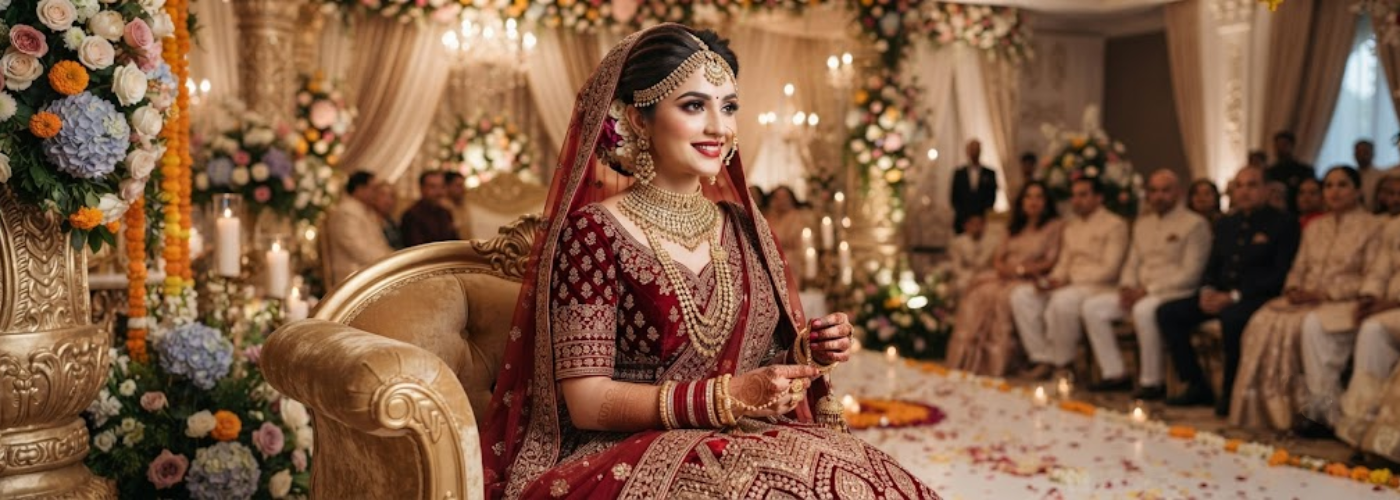
Dusky complexions can look beautiful with a wide range of bridal makeup styles, from natural elegance to rich, dramatic glamour. The most important factors are accurate foundation matching, suitable undertones and balanced colour selection.
A foundation that is too light or has the wrong undertone can create an ashy, grey or disconnected appearance. Choosing the correct shade helps the complexion look even while preserving its natural depth.
For the eyes, bronze, copper, warm brown, plum, gold and smoky shades can create definition. Blush options may include terracotta, warm rose, berry and rich peach, depending on the undertone and desired finish.
Lipstick shades such as deep rose, berry, classic red, brick red and coordinated nude colours can work beautifully. However, no single colour is right for every dusky complexion.
Highlighter should complement the skin rather than create an obvious pale or silvery cast. A subtle golden, bronze or champagne finish may suit some brides, while others may prefer a softer glow.
The makeup artist should also consider the wedding outfit, jewellery, venue lighting and photography style. The objective is to enhance the bride’s features without trying to change her natural skin colour.
For more ideas, brides can explore the related Shades of Beauty guide on bridal makeup for dusky skin tones.
5. How to Identify Your Skin Undertone for Bridal Makeup
Knowing your undertone can make foundation matching and colour selection easier. Although simple observations can provide clues, a professional makeup trial is the best way to evaluate how products actually look on your skin.
Common undertones include warm, cool, neutral and olive. Your undertone should be considered alongside your overall skin depth.
Common undertones and makeup considerations
Warm undertones: Skin may have golden, yellow or peachy characteristics. Golden, honey or warm-neutral foundation shades may be suitable.
Cool undertones: Skin may have pink, red or bluish characteristics. Neutral or cool-compatible foundation shades may work better.
Neutral undertones: Skin may not lean strongly warm or cool. Balanced neutral shades can be a useful starting point.
Olive undertones: Skin may have muted greenish or golden characteristics. Olive-neutral shades may blend more naturally than strongly pink or orange formulas.
These are starting points, not strict rules. Undertones can be subtle, and product ranges differ between brands.
A foundation should be tested on the jawline or lower cheek and checked against the neck. It is also useful to view the result in natural light and allow the product to settle before making a final decision.
Do not rely only on wrist veins, jewellery preference or online shade charts. These clues are not definitive, and the actual foundation match matters most.
6. Choosing the Right Foundation Shade for Your Skin Tone
Foundation is one of the most important elements of bridal makeup because it influences how the complexion looks throughout the wedding. Even beautiful eye makeup and lipstick may appear less harmonious if the foundation shade does not match the bride’s skin.
The right foundation should blend naturally into the face and neck without creating a visible colour boundary.
Foundation matching tips for brides
- Test along the jawline: Compare shades where the face meets the neck.
- Match the undertone: Consider warm, cool, neutral or olive characteristics.
- Check in natural light: Indoor lighting can make a mismatched shade harder to identify.
- Allow the product to settle: Some formulas may change appearance after application.
- Consider skin type: Dry, oily and combination skin may need different formulas and preparation.
- Test the finish: Check whether the foundation looks natural in person and in photographs.
Coverage is another important consideration. Some brides prefer a lightweight, natural finish, while others want more coverage for uneven tone or pigmentation. The correct approach depends on the bride’s preferences and the condition of her skin.
For a detailed foundation-matching guide, read How to Choose the Right Foundation Shade for Bridal Makeup.
A trial helps the makeup artist assess the shade, formula, coverage and finish before the wedding day.
7. Best Bridal Eye Makeup Colours for Different Skin Tones
Eye makeup can define the bridal look and complement the outfit, jewellery and complexion. The right colours depend on the bride’s undertone, eye shape, personal style and the atmosphere of the ceremony.
There is no rule that a particular skin tone must use only certain eyeshadow colours. Instead, select shades that blend well and create the level of definition you prefer.
Eye makeup ideas by complexion
Fair skin: Soft brown, champagne, rose gold, mauve and blended smoky shades can create elegant definition.
Medium and wheatish skin: Bronze, copper, warm brown, gold and rose tones can complement many bridal outfits.
Dusky skin: Deep bronze, copper, plum, gold, chocolate brown and rich smoky shades can create beautiful contrast.
Deep skin: Rich gold, bronze, copper, berry, plum and jewel-toned eyeshadows can add dimension.
These suggestions are not restrictions. A bride with fair skin can wear dramatic bronze eyes, and a bride with deep skin can choose soft neutral makeup. Personal preference should guide the final selection.
For daytime weddings, softly blended colours may create a fresh appearance. Evening ceremonies can accommodate more definition, shimmer or smoky eye makeup if desired.
The makeup artist should also consider the photography setup so that the eyes remain well defined without harsh edges or excessive contrast.
8. Choosing Blush, Bronzer and Highlighter for Your Complexion
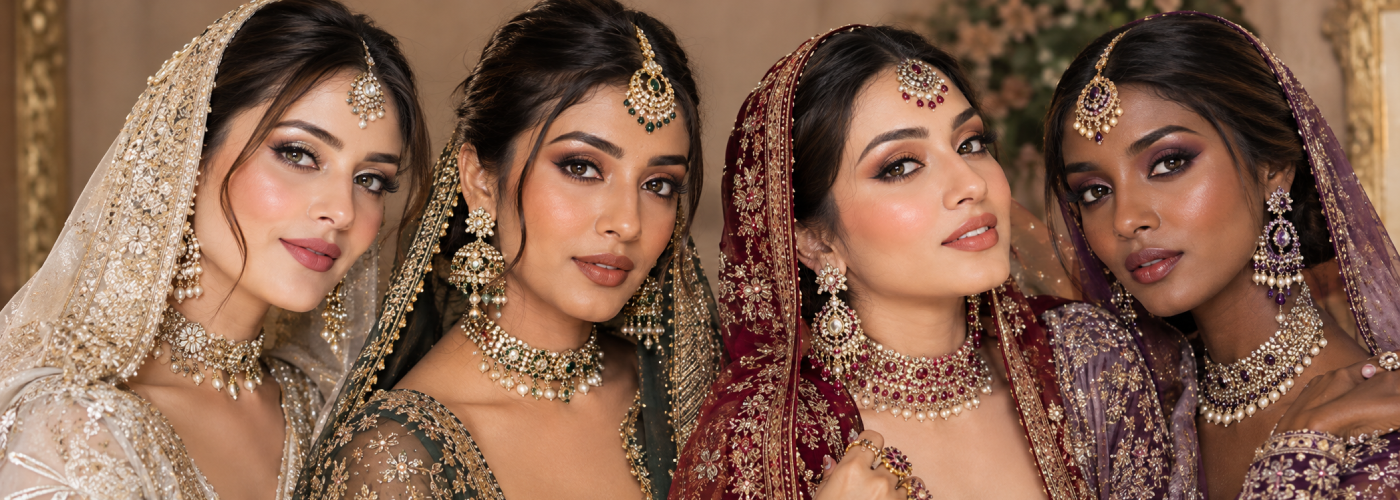
Blush, bronzer and highlighter add dimension and help the bridal makeup look balanced. Their placement and intensity should suit the bride’s face shape, complexion, foundation and desired finish.
Blush can add colour to the cheeks, bronzer can create warmth, and highlighter can add a subtle glow. These products should complement the foundation rather than sit visibly on top of it.
For fair complexions, soft peach, pink and rose blush shades can create a fresh appearance. Medium and wheatish complexions may suit peach, warm rose, terracotta or coral tones. Dusky and deep complexions can look beautiful with richer rose, berry, terracotta and warm-toned shades.
Bronzer should not look like an obvious dark stripe. It should blend naturally into the skin and create a gentle sense of dimension.
Highlighter should also be selected carefully. A shade that is too pale or has excessive contrast can appear chalky or overly reflective, especially in flash photography. A finish that complements the complexion generally looks more harmonious.
The makeup artist should adjust the amount and placement of each product according to the bride’s face shape and skin texture. Bridal makeup does not require every feature to be heavily sculpted.
9. Best Bridal Lipstick Shades for Different Skin Tones
Lipstick can bring the makeup look together and complement the bridal outfit. The best shade depends on the complexion, undertone, eye makeup, outfit colour and the bride’s personal preferences.
Lipstick colour ideas
Fair complexions: Rose, pink, mauve, classic red and berry can create different bridal effects.
Medium and wheatish complexions: Rose-red, coral, warm pink, brick red and balanced nude shades may work well.
Dusky complexions: Berry, deep rose, brick red, classic red and richer nude shades can complement many looks.
Deep complexions: Deep red, plum, berry, wine and rich rose shades can create a defined bridal finish.
These are suggestions rather than fixed rules. The same lipstick may look different depending on its formula, undertone and the other makeup products used.
If the eye makeup is dramatic, a balanced lip shade can help maintain harmony. If the eyes are softly defined, a stronger lipstick can become the focal point.
The outfit matters too. Traditional red or maroon attire can work with classic red lipstick, while pastel outfits may suit rose, mauve or soft berry tones. Brides should try their preferred shades with the complete look rather than selecting lipstick in isolation.
Long-wear formulas and planned touch-ups can help maintain the finish during a long wedding day.
10. Bridal Makeup for Different Skin Tones and Wedding Outfit Colours
The wedding outfit plays an important role in selecting the makeup palette. The colours of the lehenga, saree, jewellery and accessories can influence the eye makeup, blush and lipstick.
However, the makeup should not be selected by outfit colour alone. Skin undertone, personal preference and ceremony lighting should also be considered.
Outfit and makeup combinations to consider
Red bridal outfit: Classic red lips, softly smoky eyes or warm gold eyeshadow can create a traditional look.
Maroon bridal outfit: Bronze eyes, berry lipstick or a coordinated rose shade may complement the richness of the fabric.
Pink bridal outfit: Rose-gold eyes, soft pink blush and rose lipstick can create a romantic appearance.
Ivory or champagne outfit: Neutral eyes, balanced blush and rose-nude lipstick can create an elegant finish.
Green bridal outfit: Bronze, gold, brown and complementary lip colours can work well.
Gold bridal outfit: Warm brown eyes and carefully balanced lipstick can help the makeup remain harmonious.
Blue or jewel-toned outfit: Neutral, bronze or softly smoky eyes can complement the stronger outfit colour.
These combinations can be adapted for fair, medium, wheatish, dusky and deep complexions. The final shade selection should always reflect the bride’s individual undertone.
Conclusion: Choose Bridal Makeup That Enhances Your Natural Complexion
The best bridal makeup is the one that makes you feel confident, comfortable and beautiful on your wedding day. Fair, medium, wheatish, dusky and deep complexions can all look stunning when foundation, eye makeup, blush and lipstick are chosen with care.
Understanding your undertone, matching foundation correctly and coordinating makeup with your outfit can help create a harmonious appearance. It is equally important to consider skin type, wedding lighting, photography and the number of hours you will be wearing the makeup.
Avoid choosing makeup simply because it makes your complexion appear lighter or because it is trending online. Your natural skin tone is the starting point for creating a beautiful bridal look, not something that needs to be changed.
For brides looking for Bridal Makeup for Different Skin Tones, Shades of Beauty by Asmita offers customized bridal makeup designed around individual features, personal preferences and wedding requirements.
Schedule a consultation or makeup trial to discuss your preferred look, foundation match, outfit colours and photography needs. With thoughtful preparation and professional shade matching, you can create a bridal makeup look that feels elegant, natural and uniquely yours.